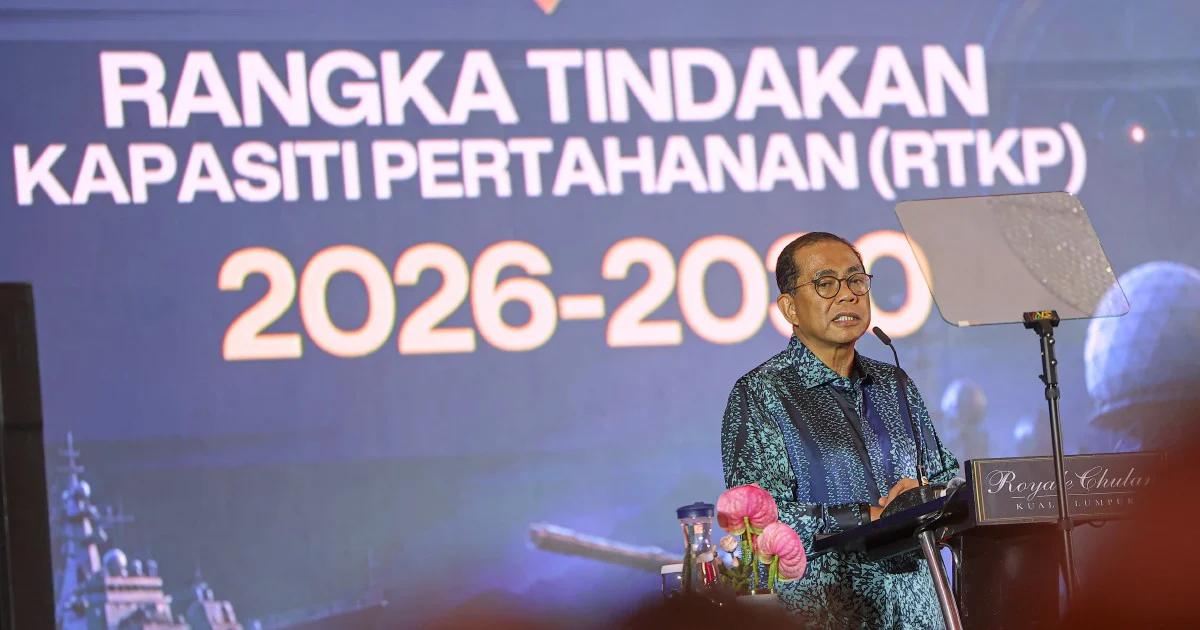
Malaysia's Defence Ministry has signalled its willingness to work toward resolving the contentious fallout with Norway over the cancellation of a missile supply contract associated with the nation's Littoral Combat Ship programme, according to Defence Minister Datuk Seri Mohamed Khaled Nordin. The bilateral disagreement, which centres on Norway's decision to rescind a weapons supply agreement, represents another complication in the protracted saga of the LCS acquisition, a defence project that has already faced significant technical and financial challenges since its inception.
The Littoral Combat Ship initiative, regarded as a cornerstone of Malaysia's maritime modernisation strategy, has encountered numerous obstacles throughout its development and implementation phases. The Norwegian weapons component was integral to the vessel's operational specifications and defensive capabilities, making the cancellation a matter of substantial concern for defence planners in Kuala Lumpur. The termination by the Scandinavian nation appears to stem from geopolitical tensions and sanctions regimes that have affected defence export policies across Europe in recent years.
Mohamed Khaled Nordin's statement reflects a diplomatic approach aimed at de-escalating the dispute and restoring the bilateral defence relationship between the two countries. Rather than engaging in public recriminations, the Malaysian government has adopted a measured stance, emphasising its readiness for constructive dialogue. This posture suggests that officials in Putrajaya believe the matter can be resolved through back-channel negotiations and clarifications regarding the conditions that prompted Norway's revocation decision.
The LCS project itself has endured persistent difficulties that have drawn scrutiny from Parliament and the public. Cost overruns, construction delays, and technical complications have plagued the programme since its contract award, raising questions about project management and vendor accountability. The Norwegian missile cancellation compounds these existing challenges, potentially affecting the ships' combat readiness and force projection capabilities that were central to the original strategic rationale for the acquisition.
For Malaysian defence strategists, resolving this dispute holds implications beyond the immediate contractual relationship with Norway. The nation's maritime security architecture relies upon integrated systems and compatible weaponry across its naval fleet. The removal of a critical component necessitates either finding alternative suppliers, redesigning systems to accommodate substitute equipment, or renegotiating with the Norwegian authorities to restore the original arrangement. Each option carries distinct financial, technical, and timeline consequences.
The broader context encompasses Malaysia's position within regional security dynamics and its relationship with traditional defence suppliers. As a nation with extensive maritime interests and considerable strategic exposure, Malaysia maintains defence partnerships with multiple countries. Norway's actions may reflect broader European constraints on defence exports to certain regions or circumstances, suggesting that Malaysian officials may need to navigate complex international regulatory frameworks in seeking alternative suppliers or addressing Oslo's concerns.
Diplomatically, this situation underscores the vulnerabilities inherent in relying upon single-source suppliers for critical defence components. While Norway previously was willing to supply missile systems for the LCS, the cancellation demonstrates how external policy shifts—whether prompted by international sanctions, domestic political changes, or regional security considerations—can rapidly alter the defence technology landscape. Malaysia's response, focused on resolution rather than confrontation, reflects pragmatic recognition of this reality.
The statement from the Defence Minister does not elaborate on specific timelines or mechanisms through which resolution might be achieved, maintaining strategic flexibility in negotiations. Malaysian officials likely recognise that public positioning could inadvertently harden positions on either side. By expressing readiness to address the issue, Kuala Lumpur signals both to Norway and to domestic stakeholders that the government takes the matter seriously whilst avoiding inflammatory rhetoric that might further complicate discussions.
For Southeast Asian observers, this dispute illustrates recurring challenges in defence procurement where geopolitical considerations intersect with military modernisation objectives. The region has witnessed similar instances where suppliers withdrew support or modified terms based on international pressure or shifting alliances. Malaysia's experience with the LCS programme, compounded by the Norwegian development, offers broader lessons about contract stability, alternative supplier diversification, and the importance of robust safeguards in defence acquisition agreements.
Looking forward, the resolution of the Norway situation may influence how Malaysia structures future defence contracts and supplier relationships. Officials may seek greater guarantees against unilateral cancellation, diversified sourcing arrangements for critical components, or contractual provisions that specify recourse mechanisms when suppliers renege on commitments. The LCS project's trajectory will continue attracting attention as these diplomatic and technical issues unfold.
The Defence Ministry's approach signals confidence that the dispute remains amenable to diplomatic resolution, suggesting ongoing communication channels with Norwegian counterparts remain open. This engagement reflects both nations' interests in maintaining broader bilateral relations despite the current disagreement. Ultimately, how successfully Malaysia navigates this challenge may influence broader defence cooperation architecture in Southeast Asia and the extent to which regional nations can rely upon established Western suppliers for critical military systems.

