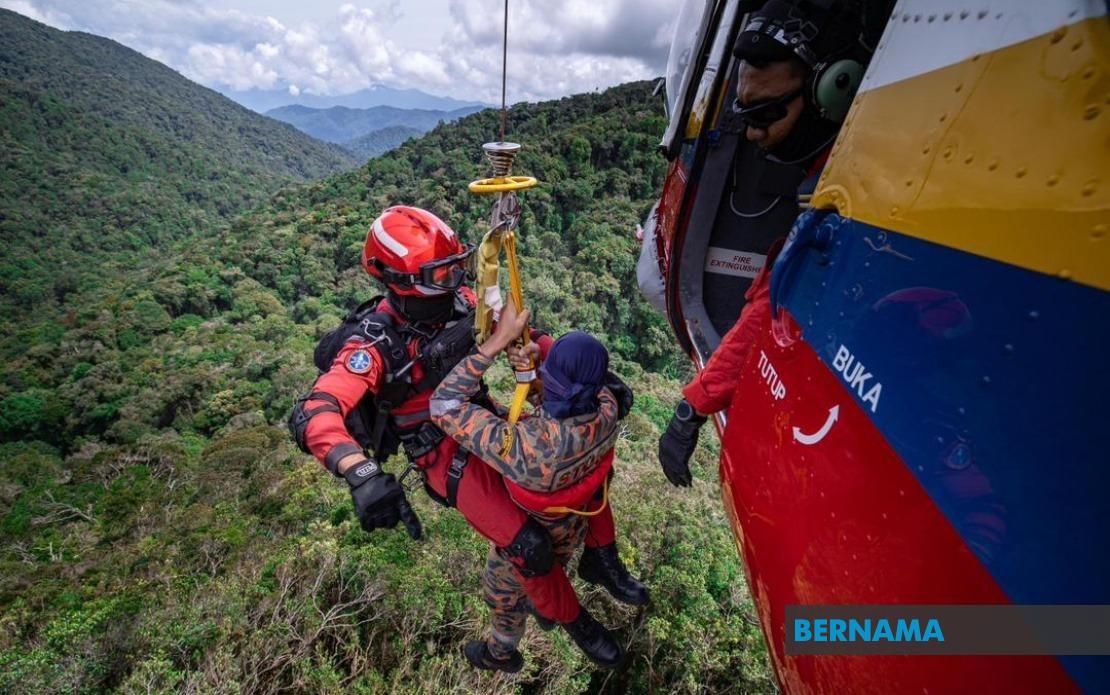
The growing popularity of hiking and forest recreation in Malaysia has come with a sobering human cost. Between 2021 and 2025, the country experienced 1,059 hiking-related accidents that claimed 63 lives and left 87 injured, figures presented to Parliament this week by Deputy Minister of Natural Resources and Environmental Sustainability Syed Ibrahim Syed Noh. The statistics, drawn from Fire and Rescue Department records, underscore the urgent need for systematic safety interventions across the nation's hiking landscape as outdoor recreation continues to attract increasing numbers of adventurers.
Malaysia's hiking boom reflects broader regional trends toward outdoor wellness and nature tourism, particularly as urban dwellers seek escape from congested cities. However, the accident figures reveal that recreational infrastructure and safety protocols have not kept pace with demand. The fatality rate raises critical questions about whether hikers, trail operators, and authorities are adequately prepared for the inherent risks of mountainous terrain, variable weather conditions, and the challenges of rescue operations in remote areas. For a country with extensive forest reserves and a culture increasingly embracing outdoor activities, these numbers signal a gap between accessibility and safety that demands urgent institutional attention.
In response to these concerns, the Peninsular Malaysia Forestry Department has developed the Mountain Risk Assessment and Management Guideline, known locally as MoGRAM. Created with financial support from the United Nations Development Programme, this framework serves as a comprehensive technical manual for evaluating hazards and establishing appropriate carrying capacities on hiking trails. The guideline represents a shift toward evidence-based management of outdoor recreation on Permanent Reserved Forests, moving beyond ad-hoc oversight toward systematic risk mitigation. By establishing clear protocols for identifying dangers—from unstable terrain to inadequate rescue access—MoGRAM aims to transform how Malaysia approaches hiking safety across its diverse range of forest environments.
Central to this safety overhaul is the expansion of certified Forestry Mountain Guides, a cadre of professionals stationed in high-risk hiking areas. The government has made engagement of these Guides mandatory in 189 designated zones across the country. To date, 2,322 individuals from local and indigenous communities have completed formal certification through the Mountain Guide Programme. These guides serve as the frontline of hiking safety, equipped to provide real-time supervision, coordinate emergency responses, and enforce compliance with established hiking protocols. By recruiting heavily from local communities, the programme also creates employment opportunities while leveraging the geographic and cultural knowledge these communities possess about their local environments.
The Mountain Guide certification programme addresses a critical vulnerability in Malaysia's hiking ecosystem: the absence of qualified personnel to monitor trail conditions and respond swiftly to emergencies. Certified guides undergo rigorous training in hiking safety protocols, risk management, emergency first aid, wilderness survival techniques, and search and rescue operations. This professional development approach recognizes that hiking accidents often result not simply from poor individual choices but from inadequate supervision, insufficient knowledge of local conditions, and delayed emergency response. By professionalizing the guide workforce and ensuring continuous skills development, the government is building institutional capacity to prevent incidents before they occur and to minimize harm when accidents do happen.
Recognizing that coordination and data management remain significant obstacles to effective rescue operations, the Forestry Department is developing an integrated hiking trail management system that harnesses geospatial technology and geographic information systems. In collaboration with the Malaysian Space Agency, this initiative will create a unified digital platform for mapping hiking trails, monitoring their conditions, and centralizing information previously scattered across state-level forestry departments. The system's advanced spatial analysis capabilities will enable more precise and efficient search and rescue operations, particularly crucial in dense forest environments where locating missing hikers can take days without accurate trail data and hiker movement records.
Presently, hiking activity registration in Permanent Reserved Forests operates through a fragmented system combining manual record-keeping and various state-level online platforms. This patchwork approach creates blind spots in emergency response, as information about who is hiking where and when remains scattered across jurisdictional boundaries. The government has identified the establishment of a unified national digital hiking registration system as a priority, potentially transforming how authorities track hiker movements, respond to emergencies, and analyze safety patterns. Such a system would enable authorities to trace missing hikers more rapidly, provide searchers with precise last-known locations, and generate comprehensive data on where accidents cluster geographically—information that could inform future trail improvements and resource allocation.
The digital registration initiative also reflects broader Southeast Asian trends toward technology-enabled public safety management. Countries including Thailand and Indonesia have implemented digital trail registration systems to enhance hiking safety, and Malaysia's adoption would align the country with regional best practices. For Malaysian hikers, a national system offers tangible benefits: faster rescue response times, reduced duration of wilderness exposure for lost hikers, and systematic feedback mechanisms allowing trail managers to identify and address emerging hazards. The system would also facilitate better crowd management on popular trails, preventing overcrowding that can create dangerous situations when trails exceed their safe carrying capacity.
Beyond guides and technology, the government has signaled that sustained investment in guide welfare and continuous professional development will remain foundational to hiking safety. Regular training programmes across multiple competency areas—from emergency medicine to rescue techniques—ensure that the Mountain Guide workforce remains current with best practices. This commitment to professional standards reflects an understanding that guide fatigue, outdated knowledge, or inadequate compensation can compromise the very safety these professionals are meant to provide. By positioning guides as valued members of Malaysia's outdoor recreation ecosystem rather than casual workers, the government aims to build a sustainable system where expertise is preserved and communities benefit economically from forest stewardship.
The comprehensive nature of Malaysia's emerging hiking safety framework—combining risk assessment guidelines, certified professional guides, digital infrastructure, and ongoing training—suggests a maturing approach to managing outdoor recreation. The 1,059 accidents recorded since 2021 represent both a tragic toll and a catalyzing data point that has motivated systemic change. For Malaysian hikers, trail operators, and communities living near forest areas, these initiatives promise a future where hiking remains accessible and enjoyable while incorporating safeguards that could substantially reduce fatalities and injuries. Success will depend on consistent implementation across all states, adequate funding for digital systems, and sustained commitment to guide certification programmes even as initial enthusiasm wanes.

