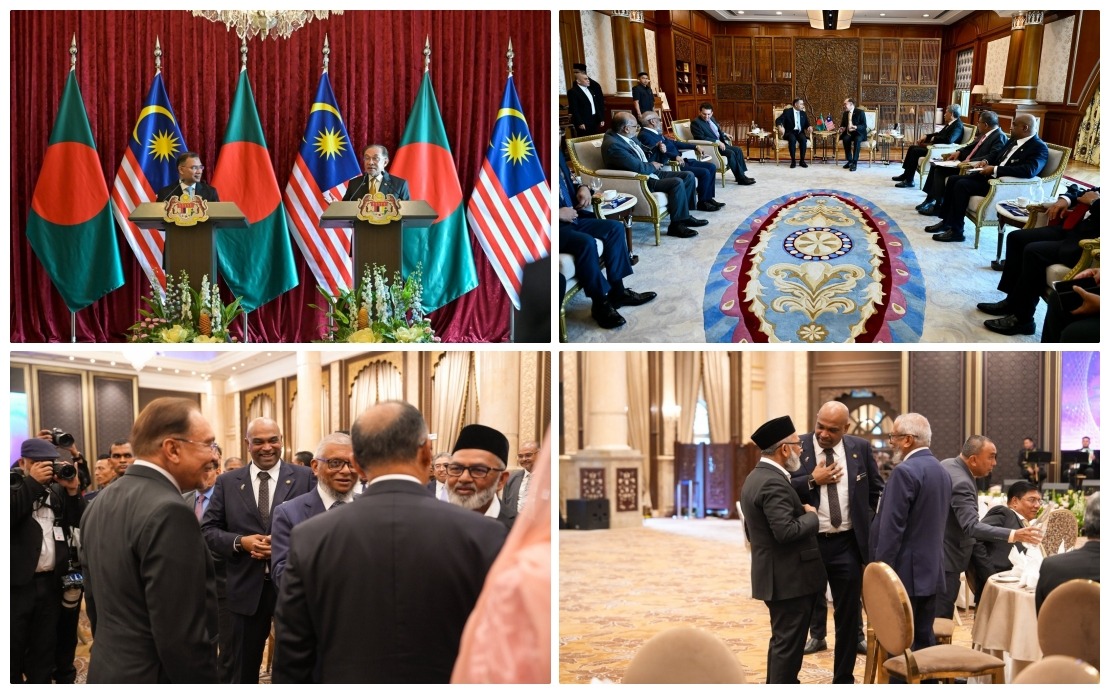
Malaysia's Ministry of Human Resources has pledged to deepen oversight mechanisms governing the recruitment of foreign workers from Bangladesh, signalling a renewed focus on transparent and ethical hiring practices between the two nations. The commitment comes amid bilateral discussions aimed at safeguarding the interests of migrant workers while addressing Malaysia's persistent labour shortages across key economic sectors. Datuk Seri R. Ramanan, the Human Resources Minister, underscored the importance of robust governance frameworks that eliminate exploitation and discriminatory treatment throughout the recruitment pipeline.
The announcement reflects shared concerns between Kuala Lumpur and Dhaka regarding worker welfare standards and the need for modernised bilateral arrangements. Bangladesh remains one of Malaysia's largest labour suppliers, with hundreds of thousands of Bangladeshi nationals employed across manufacturing, construction, agriculture and domestic service sectors. This substantial workforce contribution makes Bangladesh a critical partner in Malaysia's labour strategy, yet periodic reports of mistreatment and unsafe working conditions have prompted calls for stronger institutional safeguards.
During a bilateral meeting, Prime Minister Datuk Seri Anwar Ibrahim and visiting Bangladeshi Prime Minister Tarique Rahman endorsed the establishment of a Joint Working Group tasked with comprehensively reviewing existing agreements and developing updated protocols. This JWG represents a formal institutional mechanism to address migration governance systematically rather than ad-hoc responses to individual incidents. The collaborative approach acknowledges that both nations have vested interests in maintaining stable, regulated labour flows that benefit their respective economies.
The existing Memorandum of Understanding between Malaysia and Bangladesh requires substantial updating to reflect contemporary labour market dynamics and international best practices. Since the original framework's inception, significant shifts have occurred in both countries' economic structures, worker demographics and regulatory expectations. The JWG's mandate to evaluate and ultimately replace or substantially revise this foundational document suggests policymakers recognise current arrangements contain gaps that inadequately protect worker rights or ensure recruitment transparency.
Ramanan's emphasis on governance, worker welfare and ethical mechanisms reflects Malaysia's evolving approach to foreign labour management, particularly following international scrutiny regarding labour trafficking allegations and workplace safety concerns. Southeast Asian nations increasingly face pressure from developed country trading partners and international labour organisations to demonstrate commitment to worker protections. By formally institutionalising worker welfare within bilateral cooperation structures, Malaysia signals alignment with these global standards while maintaining access to essential labour supplies.
The strategic cooperation framework extends beyond recruitment mechanics to encompass worker safety, rights protection and sustainable labour practices benefiting both economies. For Bangladesh, structured migration channels with transparent governance reduce vulnerability of its nationals to exploitation by unscrupulous agents while generating substantial remittance flows that support national economic development. For Malaysia, reliable access to trained, motivated workers addresses demographic constraints limiting industrial expansion and service sector growth.
Tarique's visit, his first official bilateral mission following his February assumption of office, underscores Bangladesh's diplomatic priority on labour issues and migration governance. The timing reflects recognition that worker management has become central to bilateral relations rather than a peripheral labour administration matter. High-level attention to recruitment governance suggests both governments understand that migration issues carry broader diplomatic significance affecting overall relationship stability.
Implementing enhanced governance will require coordinated efforts across multiple Malaysian agencies including the Ministry of Human Resources, immigration authorities, and enforcement bodies responsible for workplace compliance. Bangladeshi counterparts including relevant labour ministries and diplomatic missions in Malaysia must align their oversight functions with Malaysia's revised requirements. This institutional coordination challenge demands clear communication protocols and dispute resolution mechanisms to address cases where worker grievances or recruitment irregularities emerge.
The governance enhancement initiative carries particular significance for Malaysian employers relying on Bangladeshi labour, as stricter compliance standards may require adjustments to recruitment practices and human resource management protocols. Construction companies, manufacturing facilities and hospitality enterprises that employ substantial numbers of Bangladeshi workers must ensure their recruitment and employment practices align with updated bilateral expectations. Organisations demonstrating proactive compliance with enhanced governance frameworks may gain competitive advantage through reduced regulatory risk and improved workforce stability.
Beyond bilateral considerations, Malaysia's commitment to strengthened recruitment governance reflects broader Southeast Asian patterns where labour-importing nations increasingly formalise migration management. Countries across the region compete for migrant workers while facing mounting international pressure to prevent labour trafficking and exploitation. Malaysia's enhanced approach with Bangladesh could establish precedents for updated frameworks with other significant labour suppliers including Indonesia, Myanmar and the Philippines, potentially contributing to regional labour governance standards.
The JWG mechanism also addresses practical challenges in implementing ethical recruitment, such as combating illegal labour brokers, verifying worker qualifications and credentials, and establishing transparent fee structures that prevent debt bondage. By jointly establishing clear standards and verification procedures, Malaysia and Bangladesh can reduce information asymmetries that currently enable exploitation. Digitalisation of worker documentation and recruitment tracking represents a potential avenue for enhanced transparency that the JWG might explore during its mandate.
Looking forward, the success of strengthened governance depends substantially on implementation capacity and enforcement commitment from both governments. Establishing a JWG represents relatively modest institutional investment compared to the resources required for effective monitoring, investigation and sanctions against recruitment violations. Both nations must allocate adequate personnel, budgetary resources and technological capacity to translate governance commitments into measurable improvements in worker treatment and recruitment transparency.

