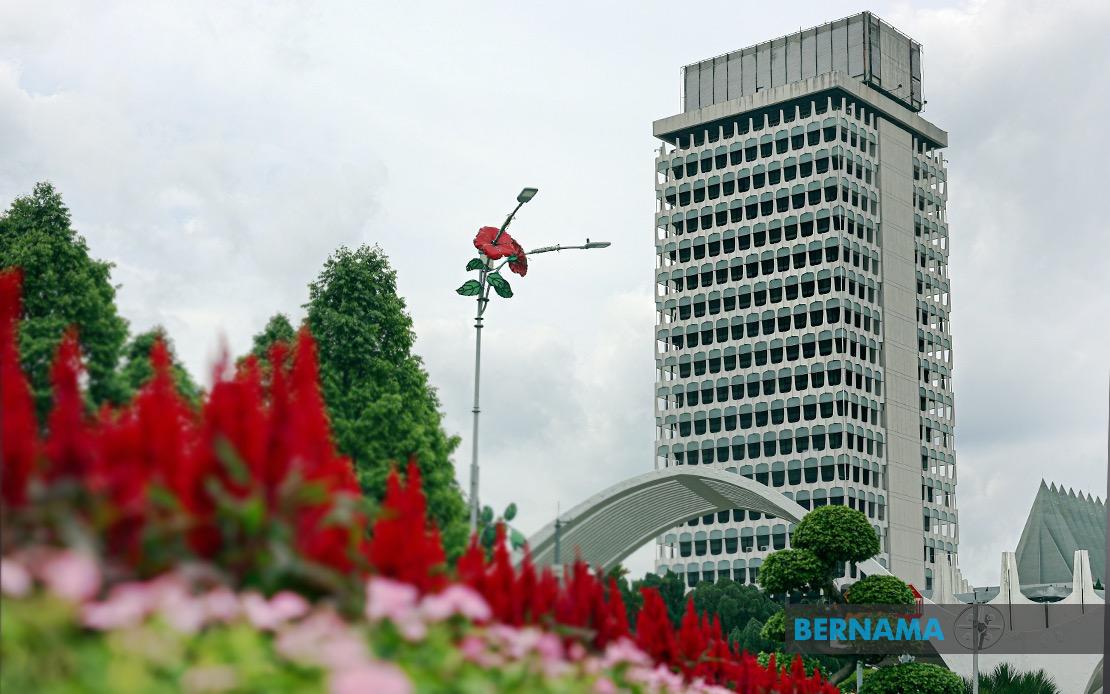
Parliament convened on July 14 to tackle two significant regional matters: the emerging Malaysia-Thailand Border Economic Zone and the escalating security situation in the Strait of Hormuz. These debates underscore growing concerns about cross-border prosperity and maritime vulnerability that directly affect Malaysia's strategic interests and economic trajectory in Southeast Asia.
The Malaysia-Thailand Border Economic Zone represents a landmark initiative aimed at unlocking the commercial potential of shared frontier regions. Datuk Adnan Abu Hassan, the BN representative for Kuala Pilah, directed pointed questions at the Prime Minister regarding precisely what financial gains Malaysia would realise through this bilateral arrangement. His inquiry extended beyond abstract economic forecasts to address a more pressing concern: whether ordinary citizens and smaller enterprises in border communities would tangibly benefit from development initiatives or whether advantages would concentrate among larger corporations and urban centres. This tension between broad-based prosperity and concentrated gains has plagued regional development projects across Southeast Asia for decades.
The Border Economic Zone concept reflects recognition that cross-border regions, historically marginalised, harbour untapped commercial possibilities. Malaysia and Thailand share porous frontiers where informal trade networks already flourish; formalising these connections through structured economic zones could legitimise existing flows while attracting fresh investment. Yet history cautions against optimism. Similar initiatives in the region have sometimes enriched connected elites while leaving border communities structurally unchanged. The mechanism for distributing benefits—whether through preferential licensing, skills training, or infrastructure investment—remains crucial to the zone's success or failure.
Paralleling these development aspirations, a more urgent threat commanded parliamentary attention. Datuk Rosol Wahid from PN representing Hulu Terengganu posed fundamental questions about how the prolonged Strait of Hormuz crisis imperils Malaysia's foundational stability. The waterway remains critical to global and regional commerce; any sustained disruption reverberates through supply chains, energy markets, and insurance costs that ultimately affect Malaysian consumers and manufacturers.
The Hormuz situation carries particular weight for Malaysia as a maritime trading nation heavily dependent on regional waterways for commerce. Approximately one-third of seaborne oil transits through the Strait; disruptions trigger oil price volatility that strains Malaysia's import-export competitiveness and government finances. Beyond crude economics, the crisis raises hard questions about Malaysia's diplomatic room to manoeuvre between competing regional powers and its capacity to shield citizens from external shocks. The government's risk mitigation strategies—whether through diversified shipping routes, strategic reserves, or diplomatic channels—require clear articulation during parliamentary scrutiny.
The parliamentary agenda revealed secondary concerns equally warranting attention. Datuk Yusuf Abd Wahab of GPS directed the Transport Minister toward the scourge of illegal highway racing, galvanised by a dangerous incident in Simpang Renggam, Johor. This seemingly domestic safety matter reflects enforcement gaps and youth engagement challenges that plague Malaysian highways. Addressing such infractions demands coordinated approaches spanning infrastructure design, police capacity, community awareness, and juvenile intervention—none of which yields to quick fixes.
Beyond question time, Parliament proceeded with legislative business touching governance fundamentals. The Statistics Bill 2026 and National Trust Fund Bill 2026 underwent first reading, continuing the government's machinery for updating statutory frameworks. These technical measures, though lacking the immediate drama of border zones or maritime crises, structure how Malaysian institutions function and how public resources flow.
The most substantive procedural item involved Datuk Seri Azalina Othman Said tabling a report on constitutional amendments separating the roles of Attorney General and Public Prosecutor. This reform reflects years of constitutional deliberation intended to strengthen prosecutorial independence and accountability. The Parliamentary Special Select Committee conducted seven iterative meetings refining the original proposal through seven designated improvements. Such constitutional housekeeping, often obscured by headline-grabbing parliamentary theatrics, ultimately determines whether Malaysia's legal institutions possess genuine autonomy from political pressure or remain vulnerable to executive manipulation.
The confluence of these matters—regional economic integration, maritime security, domestic law enforcement, and constitutional accountability—painted a portrait of Malaysia navigating overlapping challenges. Policymakers must simultaneously attract investment through border zones while protecting citizens from external economic shocks, maintain road safety while reforming legal institutions, and calibrate institutional checks against executive overreach. These demands rarely align neatly; often they compete for political capital and budgetary resources.
For Malaysian readers, the parliamentary session underscored that governance transcends partisan point-scoring. The Border Economic Zone's success hinges on genuine mechanisms ensuring equitable benefit distribution, not merely ceremonial announcements. Hormuz security extends beyond diplomatic posturing to concrete contingency planning protecting domestic energy supplies and commercial logistics. Highway safety demands sustained institutional commitment rather than episodic crackdowns. Constitutional reform requires meticulous technical work ensuring durable protections rather than theatrical gestures toward independence.
The 16-day session running through late June provided extended parliamentary time—a rarity globally—for deliberative examination of these interconnected challenges. Whether parliamentarians deployed this opportunity for substantive scrutiny or performed ritualistic questioning would largely determine whether such sittings advanced genuine accountability or merely furnished democratic theatre masking governmental autonomy from parliamentary oversight.

