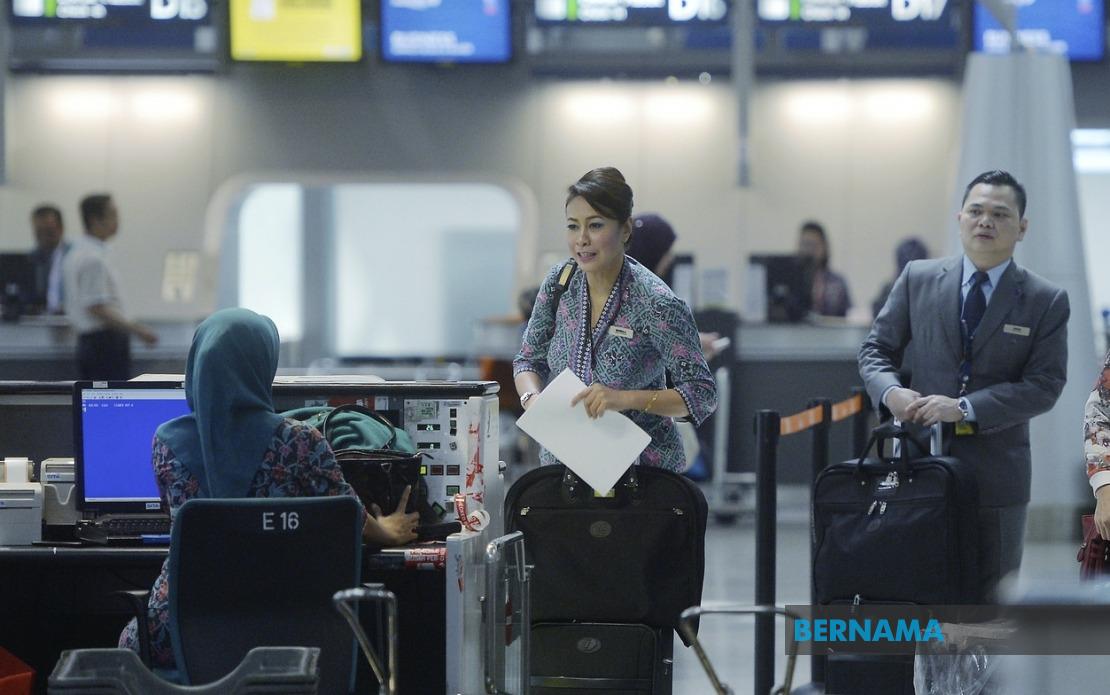
Malaysia's aviation security framework is set for significant reinforcement after transport authorities convened an emergency review meeting to address vulnerabilities exposed by the recent arrest of a Malaysian pilot in Indonesia on drug smuggling charges. Datuk Seri Mohd Shuhaily Mohd Zain, director-general of the Malaysian Border Control and Protection Agency (AKPS), disclosed that comprehensive upgrades to existing airport screening procedures would be rolled out in the coming weeks, signalling a serious policy response to an embarrassing international incident that has raised questions about Malaysia's capacity to prevent illicit activity among its own aviation personnel.
The meeting, chaired by Transport Ministry secretary-general Datuk Seri Jana Santhiran Muniayan on August 3, assembled representatives from AKPS, the Royal Malaysia Police (PDRM), and Malaysia Aviation Group (MAG) to formulate a coordinated security enhancement strategy. The urgency of the gathering underscores the gravity with which Malaysian officials are treating the case, particularly given the international dimensions and the potential reputational damage to Malaysia's aviation sector. Malaysia Aviation Group's participation reflects the airline industry's stake in restoring public and regulatory confidence in its operational integrity and the reliability of its personnel vetting processes.
On July 31, news emerged that a 39-year-old Malaysian pilot had been detained at Soekarno-Hatta International Airport in Jakarta on July 29 following his arrival after operating an international passenger service from Kuala Lumpur. According to Indonesia's Director-General of Customs and Excise, Djaka Budi Utama, authorities discovered approximately 25 kilogrammes of ecstasy worth roughly Rp60 billion concealed in the suspect's luggage during routine customs inspection. The substantial quantity and estimated street value indicate an organised trafficking operation rather than personal consumption, elevating the severity of the alleged offence and its implications for bilateral aviation cooperation between Malaysia and Indonesia.
What renders the incident particularly troubling for Malaysian authorities is that the accused pilot successfully navigated security screening at Kuala Lumpur International Airport (KLIA) before his July 28 departure. During standard procedures employing scanner technology, neither the contraband nor the suspect's baggage registered as suspicious, allowing him to board an international flight with undeclared narcotics. This failure in Malaysia's frontline detection capability has prompted urgent scrutiny of existing protocols and the reliability of current screening infrastructure, particularly given the critical responsibilities borne by pilots in international civil aviation.
Mohd Shuhaily acknowledged the procedural shortcoming while emphasising ongoing investigations into precisely how the illicit cargo circumvented detection systems. He indicated that AKPS is collaborating with the Royal Malaysia Police to conduct a comprehensive post-incident review, examining both the technical performance of scanning equipment and the human factors involved in the screening process. The systematic nature of this investigation suggests Malaysian authorities recognise that isolated equipment failure or human oversight must be distinguished from systemic vulnerabilities requiring broader institutional reform.
The proposed enhancements will extend beyond conventional cargo screening to encompass more rigorous vetting of flight personnel themselves. Mohd Shuhaily disclosed that all pilots and crew members will face more exhaustive screening protocols going forward, implying that biographical, financial, and behavioural assessment measures will be tightened. This represents a shift towards recognising aviation personnel as potential security risks requiring elevated scrutiny, a paradigm common in major Western aviation hubs but previously considered less critical in the Malaysian context where aviation security has traditionally focused on passenger and baggage screening.
For Malaysian readers and the broader Southeast Asian aviation community, this incident illuminates the intersection of drug trafficking networks with international air transport systems. The sophistication required to move 25 kilogrammes of ecstasy through commercial aviation channels suggests established criminal infrastructure with insider knowledge of airport operations and pilot recruitment networks. The arrest of a legitimately employed airline pilot indicates that trafficking organisations have successfully penetrated Malaysia's aviation workforce, raising questions about the effectiveness of background checking and ongoing monitoring of flight personnel.
The international dimensions of this case carry particular significance for Malaysia's standing in regional aviation governance. Indonesia's ability to detect what Malaysian systems failed to catch could be perceived as validating Indonesia's customs procedures while highlighting Malaysian deficiencies. This may influence bilateral discussions on aviation safety and security standards, potentially affecting cooperation agreements and information-sharing protocols between the two nations' aviation authorities. Malaysia's swift policy response indicates an effort to demonstrate institutional responsiveness and commitment to international aviation security norms.
The implications extend to passenger confidence and airline operations across the region. Incidents involving flight crew in drug trafficking undermine the professional reputation of legitimate pilots and crew members, potentially affecting recruitment and retention in Malaysian aviation. Passengers may question whether personnel responsible for their safety are themselves subject to adequate security oversight, a psychological impact that regulators must address through transparent communication about enhanced procedures. Malaysia Aviation Group's visible participation in the security review meeting represents an attempt to signal industry-wide commitment to resolving the issue.
Broader regional context suggests that drug trafficking through aviation channels has become increasingly sophisticated across Southeast Asia, with criminal networks exploiting inadequacies in personnel security frameworks across multiple national systems. Malaysia's vulnerabilities, now exposed, likely reflect common weaknesses affecting other regional carriers and airports. The AKPS initiative may establish precedent for coordinated multilateral approaches to aviation personnel security, potentially catalysing discussions within ASEAN aviation forums about harmonised standards for pilot and crew vetting.
Mohd Shuhaily's acknowledgement that existing screening procedures proved insufficient provides rare official transparency about Malaysian aviation security limitations. Rather than minimising the incident, authorities have chosen to frame it as an opportunity for systematic improvement, a communication strategy designed to restore confidence through demonstrated action. However, the effectiveness of enhanced procedures will ultimately depend on adequate resource allocation, technological investment, and institutional cooperation between AKPS, PDRM, and commercial aviation operators over an extended implementation period.
The timeline for these enhancements remains unclear, though Mohd Shuhaily referenced implementation "in the near future," suggesting urgency but avoiding specific commitments that might prove difficult to meet. Malaysia Aviation Group and other carriers will need clarity on revised procedures and timelines to adjust operational protocols accordingly. The success of this initiative will be measured not merely by policy pronouncements but by demonstrable improvements in detection capability and personnel security outcomes over succeeding months.

