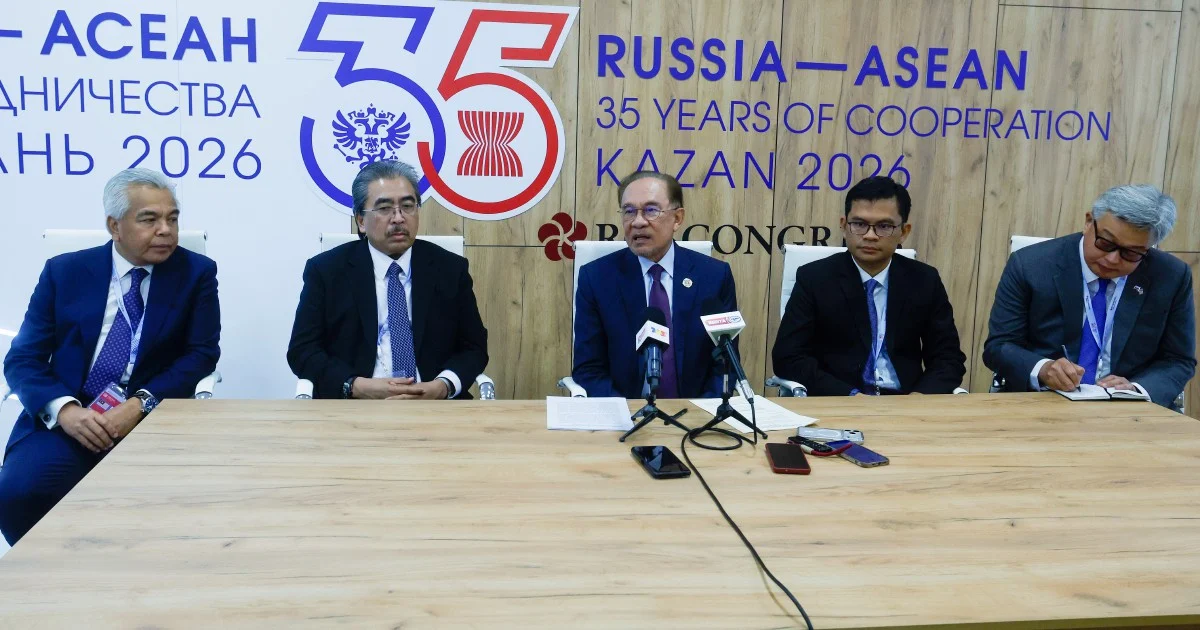
Prime Minister Datuk Seri Anwar Ibrahim has directed the acceleration of visa-free travel arrangements for Russian tourists, signalling Malaysia's strategic pivot to attract visitors from emerging source markets as part of a broader tourism revitalisation initiative. The directive, announced in Kazan, reflects the government's commitment to removing bureaucratic barriers that have historically deterred leisure travellers and business visitors from Russia.
The expedited implementation represents a significant shift in Malaysia's tourism strategy, moving away from traditional source markets that have shown volatility in recent years. By facilitating easier entry for Russian nationals, Malaysia is positioning itself to capture a demographic cohort with demonstrated appetite for Southeast Asian travel experiences. Russia has historically maintained a substantial middle class with disposable income directed towards international leisure travel, making it a potentially lucrative market for the Malaysian tourism ecosystem.
The timing of this initiative carries particular strategic weight. Global tourism flows have undergone dramatic restructuring following international geopolitical tensions and pandemic-related disruptions. Traditional Western European markets, which historically dominated Malaysia's inbound tourism, have faced economic headwinds that constrain discretionary spending. Meanwhile, emerging markets in Asia, including Russia's geographical hinterland, represent untapped potential for Malaysian hospitality, aviation, and retail sectors.
From a practical standpoint, visa-free arrangements eliminate multiple friction points in the travel planning process. Prospective tourists no longer face the inconvenience of embassy visits, lengthy processing timelines, or substantial application fees. This streamlining directly translates to increased conversion rates among those considering Malaysia as a destination. The measure effectively removes cost barriers that particularly impact cost-conscious travellers and families seeking value-for-money holiday experiences.
Malaysia's tourism industry has historically demonstrated resilience by diversifying source markets rather than concentrating dependence on any single region. The addition of Russian tourists through visa-free access enhances this portfolio approach. Hotels, resorts, entertainment venues, and shopping districts throughout the country stand to benefit from increased occupancy rates and consumer spending. Regional centres beyond Kuala Lumpur and Penang would particularly benefit from geographic distribution of international visitors.
The initiative also reflects Malaysia's broader diplomatic positioning in contemporary geopolitics. By extending travel facilitation to Russian nationals, Malaysia signals openness to engagement across diverse political contexts whilst maintaining its independent foreign policy orientation. This approach contrasts with some regional competitors who have imposed travel restrictions or maintained visa requirements that create implicit barriers to Russian visitors.
Implementation efficiency becomes critical to realising the initiative's objectives. Relevant government agencies must coordinate seamlessly to establish operational protocols that maintain security and border integrity whilst genuinely reducing processing burdens. Training border officials, updating information systems, and communicating the new arrangements through diplomatic channels and tourism marketing platforms all require coordinated execution and adequate resource allocation.
The economic multiplier effects of increased Russian tourism extend beyond immediate hospitality sector revenues. Airlines operating routes to Malaysia would see enhanced load factors and improved route profitability. Transportation networks, food service sectors, cultural and entertainment venues, and retail establishments would all experience expanded consumer activity. Employment creation across service sectors, particularly in direct tourism-related occupations, would likely accelerate.
Regional competitiveness also factors into this calculation. Neighbouring Southeast Asian destinations including Thailand, Vietnam, and Indonesia have already implemented visa-free or visa-on-arrival arrangements targeting multiple source markets. Malaysia's historical tendency toward maintaining relatively restrictive visa policies had placed it at a competitive disadvantage in capturing price-sensitive and convenience-conscious travellers. This directive addresses that structural vulnerability by bringing Malaysian immigration procedures into alignment with regional competitors.
The announcement carries implications for Malaysia's broader economic strategy beyond tourism. Enhanced people-to-people mobility creates opportunities for business partnerships, educational exchanges, and cultural understanding between Malaysian and Russian communities. Trade delegations, professional conferences, and commercial partnerships often flourish when travel logistics are simplified. The visa-free arrangement thus potentially catalyses broader bilateral engagement across multiple sectors and institutional frameworks.
Success metrics for this initiative should encompass not merely visitor numbers but also expenditure patterns, length of stay, and geographic distribution across Malaysia. Data collection and analysis will enable policymakers to refine strategies and identify which regions or tourism products particularly appeal to Russian visitors. This evidence-based approach facilitates targeted marketing and infrastructure development investments.
The directive underscores the government's recognition that tourism recovery remains essential to Malaysia's economic diversification objectives. As traditional manufacturing and commodity-dependent sectors face global headwinds, high-value service sectors including tourism become increasingly central to employment generation and foreign exchange acquisition. Facilitating Russian visitor flows represents a pragmatic policy response to contemporary economic realities and competitive pressures within the regional tourism marketplace.

