Malaysia's government has thrown its diplomatic weight behind a landmark understanding between the United States and Iran, with Prime Minister Datuk Seri Anwar Ibrahim publicly endorsing the development on social media and calling for rapid translation of the accord into a lasting peace framework. The announcement follows US President Donald Trump's confirmation that an agreement has been finalised, paving the way for a memorandum of understanding to be formally signed within days. This Malaysian endorsement signals the country's commitment to regional stability and its alignment with international efforts to de-escalate Middle Eastern tensions that have reverberated across global markets and supply chains.
Anwar's statement carried particular weight in recognising Pakistan's instrumental role as mediator in bringing the two adversarial powers to the negotiating table. The acknowledgment underscores how middle-power diplomatic initiatives, often overlooked in Western-centric analyses, prove crucial in bridging seemingly insurmountable divides. Pakistan's willingness to facilitate dialogue between Washington and Tehran demonstrates the potential for regional actors to shape outcomes on major geopolitical questions, a lesson relevant for Southeast Asia's own inter-state relations and its approach to great power competition.
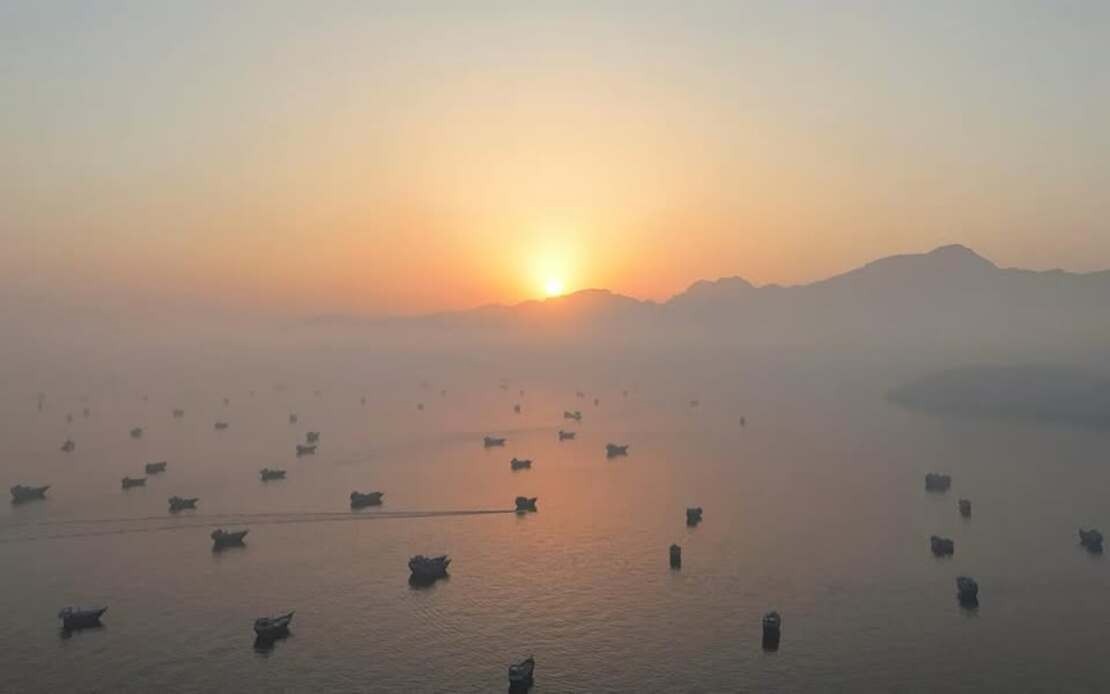
The reopening of the Strait of Hormuz emerged as the Prime Minister's foremost concern, reflecting Malaysia's acute awareness of how Middle Eastern turmoil directly threatens economic lifelines. One of the world's most critical maritime chokepoints, through which roughly one-third of global seaborne traded oil passes, the Strait's closure or disruption ripples immediately into Malaysian ports, refineries, and downstream industries. Anwar characterised it as indispensable to both energy security and the smooth functioning of international commerce, framing the issue beyond geopolitical abstractions to material realities affecting ordinary Malaysians dependent on stable fuel supplies and affordable goods.
The practical implications of the accord's success extend throughout Southeast Asia's energy-dependent economies. Countries like Malaysia, Thailand, and Singapore rely heavily on Gulf oil and liquefied natural gas imports, making any prolonged disruption to Hormuz traffic immediately consequential. Port operations at Johor, Penang, and Port Klang depend on predictable shipping schedules and stable energy costs. A sustained closure would inflate maritime insurance premiums, delay cargo deliveries, and increase production costs across the region's manufacturing base. Anwar's emphasis on treating the waterway's reopening as a matter of highest urgency reflects this regional vulnerability to Middle Eastern instability.
The Prime Minister's call for good-faith implementation without unnecessary delay reveals his concern that diplomatic agreements in this region frequently stall or unravel when momentum dissipates. He pointedly warned all parties and external actors to refrain from actions that could undermine the fragile accord or reignite hostilities during this sensitive window. This language suggests Malaysia's recognition that numerous spoilers—both state and non-state actors with interests in perpetuating regional tension—could jeopardise the settlement if the international community relaxes vigilance too soon.
Malaysia's position as a consistent voice for measured multilateralism and peaceful conflict resolution has long characterised its foreign policy posture. By publicly endorsing the US-Iran understanding, Anwar reinforces this identity while simultaneously signalling to the international community that Malaysia views the agreement as compatible with broader Asian and global interests. The statement avoids partisan alignment, instead emphasising universal concerns about shipping, commerce, and stability that transcend Cold War-style bloc thinking.
The timing of Malaysia's endorsement also reflects broader regional recalibration following years of escalating US-Iran tensions. Southeast Asian governments have generally sought to maintain equitable relations with both Washington and Tehran, mindful that excessive alignment with either power risks isolating the region or inviting retaliation from the other. Malaysia's measured welcome of the accord demonstrates how smaller states navigate great power competition by supporting outcomes that reduce volatility rather than taking sides in fundamentally ideological contests.
Anwar's appeal to the international community to sustain momentum towards peace acknowledges that bilateral US-Iran agreements, however significant, require sustained multilateral reinforcement. International bodies, regional organisations, and major trading partners must collectively provide incentives for compliance and disincentives for backsliding. Malaysia's explicit offer to support these efforts positions the country as a constructive participant in post-accord stabilisation, potentially opening avenues for Malaysian involvement in monitoring arrangements or confidence-building mechanisms.
The broader context reveals how Middle Eastern peace settlements immediately intersect with Southeast Asian prosperity. Energy prices, shipping costs, supply chain reliability, and investor confidence all depend on regional stability. Volatile Middle Eastern politics introduce unpredictability into business planning, discourage long-term investments, and increase costs for manufacturing and services sectors. By advocating for durable peace rather than temporary truces, Anwar reflects Malaysia's interest in conditions that enable economic planning and growth across the coming years.
Looking ahead, Malaysia's diplomatic positioning around the US-Iran accord may create space for enhanced regional engagement. Should the memorandum of understanding evolve into a comprehensive settlement, possibilities could emerge for Malaysian participation in reconstruction initiatives, trade normalisations, or regional confidence-building forums. The country's long-standing commercial relationships with both Middle Eastern powers and its reputation for diplomatic discretion could make it a valuable bridge between former adversaries navigating normalisation.
The accord's success remains contingent on maintaining the political will that currently exists. Domestic opposition, regional complications involving non-state actors, or shifts in American political leadership could all threaten implementation. Malaysia's call for sustained international attention reflects awareness that the hardest work—converting understanding into functioning peace—typically occurs after the initial announcement, often beyond media scrutiny and public attention.

