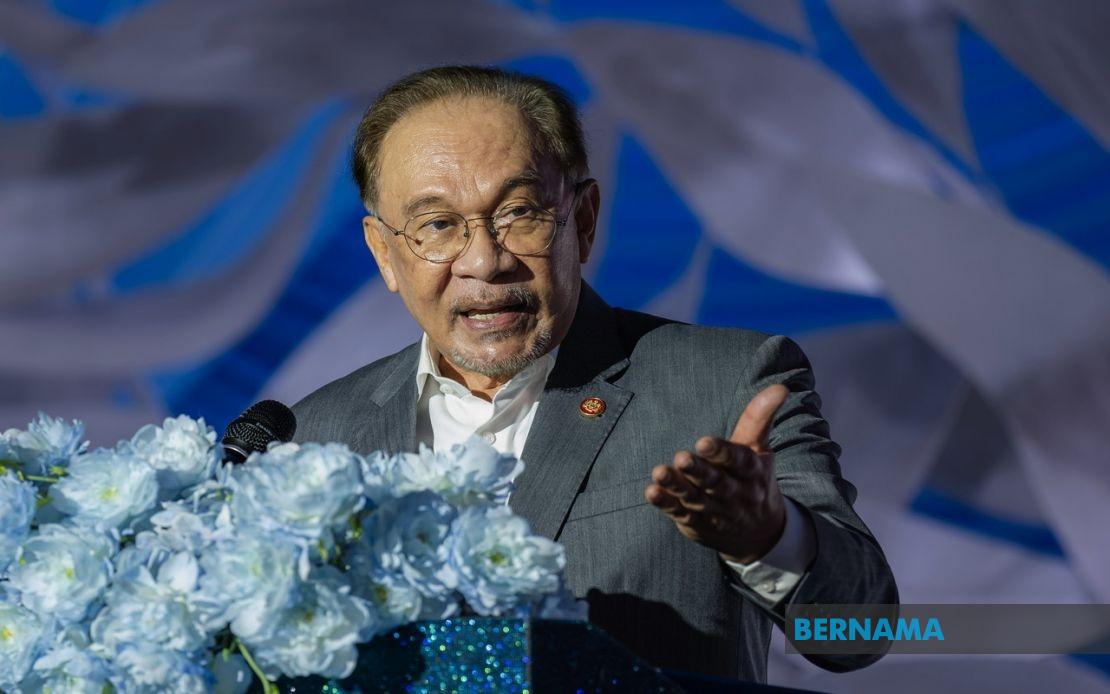
Malaysia will enforce a strict zero-tolerance approach toward Israeli nationals present in the country, Prime Minister Datuk Seri Anwar Ibrahim declared on July 15, underscoring the government's unwavering position on the nation's non-recognition policy. Speaking to reporters in Kuala Lumpur, Anwar made clear that authorities would take immediate action against any individuals holding Israeli citizenship who are found on Malaysian soil, with deportation being the inevitable consequence. The pronouncement came as the government mobilised its security apparatus to investigate concerning reports that suggested foreign nationals possessing Israeli documents had entered the country, potentially circumventing immigration protocols.
The allegations that triggered the government's swift response centred on claims that individuals carrying dual citizenship—combining Israeli passports with documents from other nations—had gained entry to Malaysia. The controversy centred on Forest City in Johor, where the Network School allegedly operated a programme involving these foreign nationals. According to Johor Menteri Besar Datuk Onn Hafiz Ghazi, the individuals in question had utilised passports from secondary countries to facilitate their entry into Malaysia, which raised significant public alarm about border security and the integrity of immigration processes in a Muslim-majority nation with deep historical ties to Palestinian causes.
Anwar's statement reflected the seriousness with which the federal government views any presence of Israeli nationals, regardless of their stated purpose or how they may have circumvented official channels. The Prime Minister emphasised that there would be no room for negotiation or ambiguity on this matter, describing Malaysia's position as uncompromising and non-negotiable. He indicated that relevant security agencies, including the Home Ministry and other pertinent bodies, were already conducting thorough investigations into the scope of the alleged incursions and the mechanisms through which such individuals had managed to enter the country undetected.
The government's rapid mobilisation of investigative resources demonstrated the political sensitivity surrounding the issue in Malaysia, where national identity and foreign policy positions on the Middle East conflict remain deeply rooted in public consciousness and political discourse. Anwar delegated further explanatory duties to Higher Education Minister Datuk Seri Dr Zambry Abdul Kadir, suggesting that the alleged presence of these individuals may have been linked to educational or academic programmes. This delegation indicated that multiple government ministries were coordinating on the matter, signifying the cross-departmental nature of the investigation and the perceived seriousness of the breach.
The allegations first gained traction through social media channels, where claims began circulating that foreign nationals with Israeli citizenship or identity documents had either attempted to enter Malaysia or were already present within the country for unspecified purposes. Such informal dissemination of sensitive information through digital platforms reflected broader anxieties among the Malaysian public regarding national security and the government's capacity to maintain effective border controls. The fact that these claims originated from social media rather than official government sources created additional pressure on authorities to respond transparently and demonstrate competence in addressing the security concerns raised.
Johor's state government had already taken the initiative to escalate the matter by formally urging the Home Ministry and allied agencies to investigate the operations of the Network School in Forest City. Menteri Besar Onn Hafiz Ghazi's intervention at the state level underscored the decentralised nature of Malaysia's administrative structure, whereby state governments play an active role in overseeing security matters and public welfare within their respective jurisdictions. His public call for investigation signalled that state leadership was responsive to constituent concerns and willing to mobilise resources to address potential security vulnerabilities in a proactive manner.
Malaysia's non-recognition policy toward Israel stands as a cornerstone of the nation's foreign policy, rooted in decades of constitutional and legal frameworks that predate modern statehood. The country has never established formal diplomatic relations with Israel, and this stance reflects broader regional sentiment within Southeast Asia and the Muslim world. For Malaysian policymakers, the principle of non-recognition extends beyond symbolic gesture; it carries practical implications for immigration enforcement, visa policies, and security protocols that distinguish Israeli nationals from other foreign visitors to the country.
The government's commitment to deporting any detected Israeli nationals also carries implications for Malaysia's broader immigration management and international relations. While the policy remains consistent with historical precedent, its enforcement in contemporary contexts presents operational challenges, particularly when individuals hold multiple passports or utilise alternative documentation strategies. The incident highlighted gaps that may exist in screening procedures or coordination between Malaysian immigration authorities and intelligence agencies responsible for identifying individuals with connections to nations that Malaysia does not recognise.
For Malaysian citizens and residents, the government's swift response offered reassurance that security agencies remained vigilant against unauthorised entry and that political commitments to non-recognition were backed by concrete enforcement mechanisms. However, the incident also raised broader questions about how thoroughly Malaysia's borders were being monitored and whether current screening technologies and procedures were adequately equipped to detect sophisticated attempts at circumventing immigration controls. The investigation would likely produce recommendations for strengthening border security protocols and enhancing inter-agency intelligence sharing.
The timing of these revelations and the government's response occurred within a complex regional security environment where Malaysia faces multiple overlapping challenges, from transnational terrorism to organised crime networks exploiting porous borders. The decision to treat the alleged Israeli presence as a priority matter demonstrated that the government continued to regard Middle Eastern geopolitical issues as integral to Malaysia's national security calculations. Anwar's unequivocal statement served to reinforce Malaysia's diplomatic position while also satisfying domestic constituencies for whom the nation's stance toward Israel remains a matter of fundamental principle and identity.

