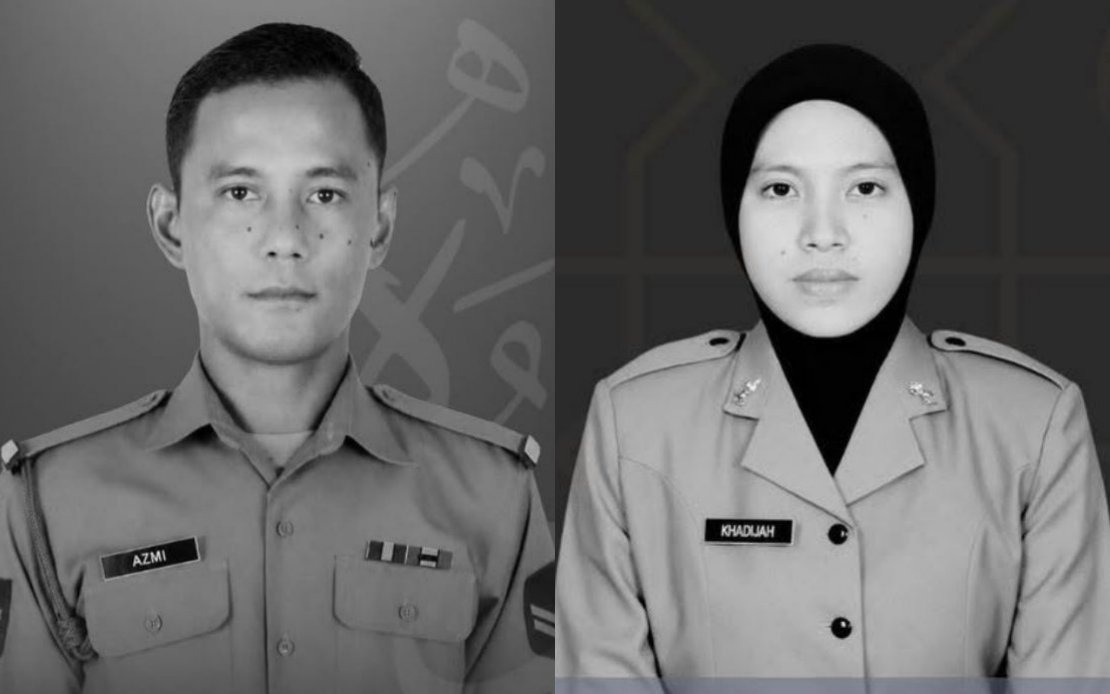
Two soldiers have lost their lives in a training accident at a Malaysian Army facility in Kedah, prompting an immediate investigation into safety protocols. The Malaysian Army confirmed on June 16 that Corporal Norazmi Abu Bakar from the 6th Battalion, Royal Malay Regiment (6 RAMD), and Private Siti Khadijah Sungip from the 1st Squadron, Royal Army Engineers Regiment (1 RAJD), were killed in an explosion at the Hobart Camp shooting range in Gurun. Both personnel sustained critical injuries when the incident occurred at 10.57 am and were declared dead en route to Sultan Abdul Halim Hospital in Sungai Petani.
The tragedy unfolded as both soldiers participated in grenade-throwing training as part of a larger Combat Enhancement Training programme run by the 2nd Infantry Division. Such training exercises form a core component of military preparation, equipping personnel with essential combat skills. However, the incident underscores the inherent dangers that military personnel face during hands-on weapons instruction, even under controlled circumstances with established safety measures in place. The remains of both deceased have been transferred to Sultanah Bahiyah Hospital in Alor Setar for post-mortem examinations, which will help establish the precise circumstances surrounding the explosion.
Army Chief General Tan Sri Azhan Md Othman has initiated a comprehensive and urgent investigation to determine what went wrong during the training session. The probe will examine multiple factors, including adherence to standard operating procedures, equipment condition, supervision protocols, and any potential human error that may have contributed to the fatal accident. Such investigations are crucial not only for determining accountability but also for identifying systemic weaknesses that could prevent similar incidents in future training operations across the military establishment.
The loss of life has prompted expressions of condolence from military leadership toward the families of the deceased. General Azhan extended sympathies to both families while urging them to find strength during this difficult period. The deaths represent a sobering reminder that military training, despite rigorous safety planning and experienced instructors, carries inherent risks that can sometimes result in tragedy. The incident may also raise questions about whether current safety measures and training protocols are sufficiently robust or whether additional safeguards need to be implemented.
Beyond the immediate investigation, the Malaysian Army has committed to a broader review of all training safety procedures and practices. Military officials stated that findings from the inquiry will inform improvements across the full spectrum of training safety measures, suggesting that systemic enhancements may emerge from this incident. This approach reflects an understanding that military training environments must continuously evolve to minimise risks while still providing personnel with the practical skills necessary for effective service.
The incident highlights the demanding nature of military service in Malaysia, where personnel regularly engage in activities that carry inherent dangers. Grenade-throwing exercises, while essential for combat readiness, require precise execution and strict adherence to safety protocols to prevent accidental detonations or mishaps. For families of military personnel, such accidents underscore the real sacrifices made by those in uniform beyond traditional combat scenarios, with training itself occasionally proving fatal.
The broader Malaysian defence community will likely monitor the findings of the formal investigation closely. Military institutions across Southeast Asia often share information and best practices, particularly regarding safety protocols, so revelations from this inquiry could influence training procedures beyond the Malaysian Army. The incident also serves as a reminder of the importance of maintaining rigorous safety standards in military establishments, where the consequences of lapses can be measured in lives lost.
For the wider public, the tragedy raises awareness about the hidden costs of military readiness and the sacrifices made by personnel who undertake dangerous training to maintain national security capabilities. While such exercises are necessary, the incident demonstrates that even well-established procedures can sometimes fail, resulting in unexpected tragedy. The commitment by military leadership to thoroughly investigate and implement improvements suggests a willingness to learn from this loss and prevent future occurrences.

