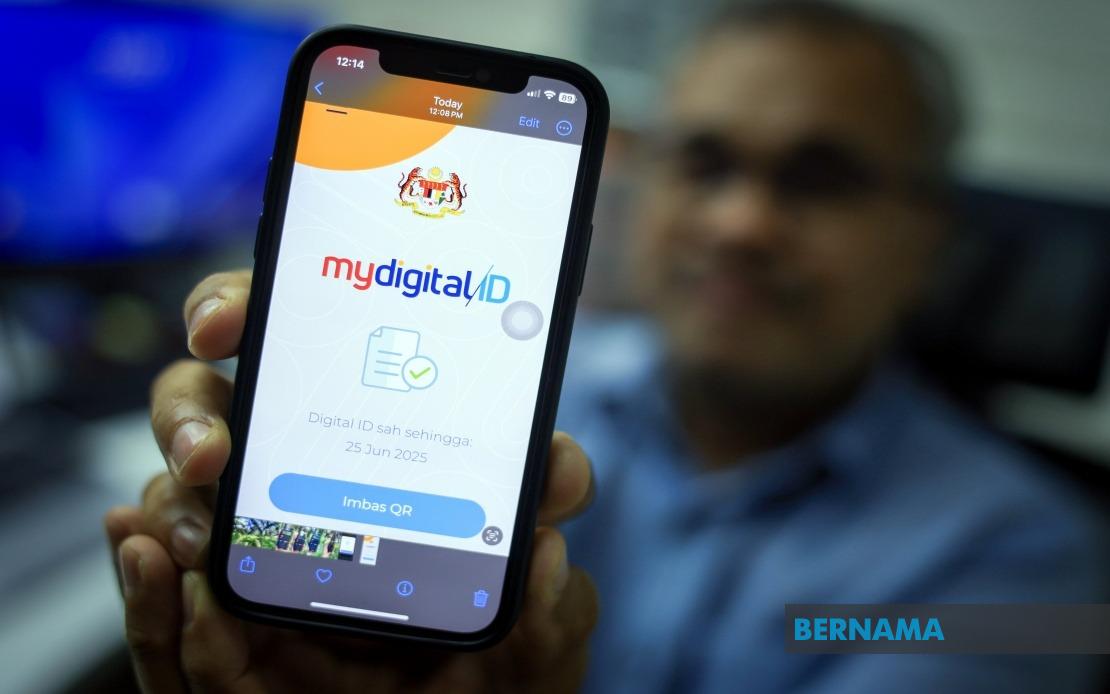
Malaysia has reached a significant milestone in its digital transformation agenda, with 12 million citizens registering for MyDigital ID by the end of June. This figure, disclosed by Deputy Prime Minister Datuk Seri Dr Ahmad Zahid Hamidi in response to a parliamentary question, underscores the growing public adoption of the government's centralised digital identity system. The platform has processed 16 million transactions since its inception, encompassing registrations, renewals, and account cancellations, demonstrating sustained engagement with the service across the population.
The expansion of MyDigital ID represents a core pillar of Malaysia's broader digital governance strategy, moving citizens and businesses toward unified authentication mechanisms for accessing public services online. Rather than maintaining separate login credentials for multiple platforms, users can now employ a single digital identity to navigate government portals, significantly reducing friction in accessing services and consolidating personal data management. This integration approach reflects global best practices adopted by advanced digital economies seeking to simplify citizen-government interactions whilst enhancing security and data protection standards.
The government has undertaken an ambitious mandated rollout to accelerate integration across all levels of administration. In January 2025, the Chief Secretary to the Government issued a directive requiring all federal ministries, departments, statutory bodies, state secretaries, and local authorities to implement the MyDigital ID single sign-on system. This top-down approach ensures consistency in digital service delivery and establishes a unified standard for accessing government resources nationwide, eliminating the fragmented landscape that previously characterised Malaysia's online government platforms.
As of June 25, 2026, the integration programme had achieved substantial progress, with 114 online government services now operating through MyDigital ID authentication. These include familiar platforms such as MyJPJ, the Land Public Transport Commission's MyPTPTN, the Public Service Commission's SPA9, and the Royal Malaysia Police's MyBayar payment system. Each integration represents not merely a technical connection but a functional simplification for millions of Malaysians who previously navigated separate portals to renew driving licences, pay fines, check university applications, or settle traffic violations.
The integration extends beyond individual service platforms through the MyGOV Malaysia portal, developed by the National Digital Department. This unified gateway enables citizens to discover and access diverse government services through their MyDigital ID authentication, functioning as a comprehensive hub rather than isolated departmental systems. By centralising the entry point for government digital services, the system reduces citizen confusion regarding which agency provides which service and streamlines the onboarding process for first-time users.
State governments have demonstrated parallel commitment to the digital identity ecosystem, though at varying speeds of implementation. Nineteen state-level online applications have already integrated with MyDigital ID, whilst another 28 applications remain under development across Malaysia's 13 states and three federal territories. This staggered adoption reflects the varying technological capacity and priorities across regional administrations, yet collectively indicates momentum toward nationwide digital standardisation. Once completed, state integration will enable citizens to access both federal and state services through a single authentication mechanism, simplifying interactions with multiple tiers of government.
The MyDigital ID initiative carries significant implications for Malaysia's digital economy and service delivery efficiency. For citizens, the system reduces time spent managing multiple credentials and navigating disparate platforms, particularly beneficial for older Malaysians and those with limited digital literacy who struggle with managing numerous usernames and passwords. For government agencies, centralised authentication improves service analytics, reduces duplicate user database maintenance, and enables better coordination of citizen needs across departments.
Security and data protection remain central considerations as the digital identity ecosystem expands. Consolidating authentication through a single identity platform necessitates robust encryption, secure data handling protocols, and transparent privacy policies to maintain public trust. The government must ensure that centralisation does not create vulnerability to mass data breaches, and that citizens retain control over their personal information and understand how their data is utilised across integrated services. Building and maintaining public confidence in digital identity systems is crucial for sustained uptake and engagement.
For Malaysia's regional standing, the MyDigital ID programme positions the nation within the vanguard of Southeast Asian digital governance. Neighbouring countries observe Malaysia's approach as a potential model for their own digital transformation initiatives, particularly regarding single sign-on architecture and cross-sectoral integration. The successful scaling of MyDigital ID to 12 million users demonstrates that large populations can adopt unified digital identity systems, potentially influencing how regional governments conceptualise and implement digital transformation strategies.
The path forward requires addressing integration gaps and ensuring equitable access across demographic groups. The 28 state applications under development represent an opportunity to identify and resolve technical or logistical challenges before full nationwide deployment. Additionally, government agencies must invest in digital literacy programmes to ensure that citizens from all socioeconomic backgrounds can utilise MyDigital ID effectively, preventing digital divides from undermining the system's potential to democratise government service access.
As Malaysia continues expanding MyDigital ID integration, the initiative reflects broader efforts to position the nation as a digitally sophisticated economy capable of delivering efficient, accessible government services. The 12 million registrations achieved in less than a decade suggest strong citizen acceptance and readiness for digital-first governance, provided that implementation continues prioritising security, transparency, and inclusive access.

