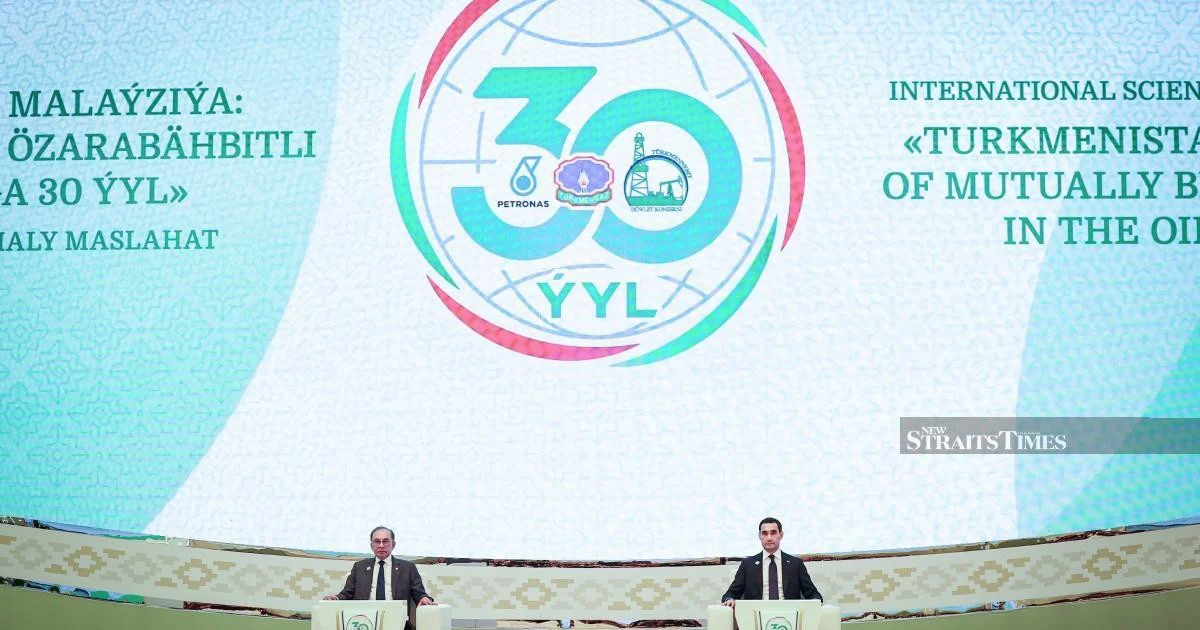
Prime Minister Datuk Seri Anwar Ibrahim's recent trip to Russia and Turkmenistan represents a watershed moment for Malaysia's energy security strategy, signalling the nation's determination to forge partnerships beyond traditional Western suppliers at a time of unprecedented global energy volatility. The visit, which concluded last week, delivered tangible outcomes that extend Malaysia's diplomatic reach into new terrain while addressing longstanding concerns about the country's petroleum supply chains and long-term resource availability.
The significance of these developments lies not merely in the agreements themselves, but in what they reveal about Malaysia's evolving approach to geopolitical alignment. As major economies grapple with energy independence and the transition away from fossil fuels, Malaysia's government has recognised the need to maintain multiple energy pathways and secure reliable suppliers. Russia and Turkmenistan, both major hydrocarbon producers with substantial unexploited reserves, represent logical partners for a middle-power nation seeking stability in energy markets that have grown increasingly unpredictable since 2022.
Engaging with Russia represents a calculated diplomatic manoeuvre that distinguishes Malaysia from many of its developed counterparts. While Western nations have moved toward sanctions and energy sanctions isolation following geopolitical tensions, Malaysia has adopted a pragmatic stance rooted in its historical policy of non-alignment and looking after national interests. This approach reflects the reality that energy markets operate according to supply-and-demand dynamics that transcend political differences, and Malaysian consumers and industries require reliable fuel supplies regardless of international tensions.
Turkmenistan's inclusion in the diplomatic itinerary underscores a broader strategic interest in Central Asian energy resources. The nation sits atop vast natural gas reserves and has historically sought additional buyers beyond its traditional markets in Russia, China, and neighbouring states. For Malaysia, access to Turkmen resources could provide geographic diversification in its energy portfolio and reduce dependence on Middle Eastern supplies that have been subject to recurring supply disruptions and price volatility. The Caspian region's energy wealth has long attracted international attention, yet Malaysian engagement there has historically been limited compared to larger Asian economies.
The timing of these visits carries particular weight given Malaysia's energy consumption patterns and economic growth projections. As a nation transitioning toward higher value-added manufacturing and digital services, Malaysia faces steady-state demand for energy that cannot be met entirely through renewable sources in the medium term. Liquefied natural gas remains essential for electricity generation, industrial processes, and petrochemical manufacturing, sectors that form the backbone of Malaysia's export economy. Building relationships with new suppliers provides insurance against future supply shocks and price spikes that could destabilise inflation and manufacturing competitiveness.
From a geopolitical perspective, Anwar's outreach demonstrates Malaysia's commitment to maintaining balanced relationships across the multipolar world order that is rapidly materialising. The nation has consistently resisted pressure to align exclusively with Western blocs, viewing such commitments as constraints on autonomous decision-making. By cultivating relationships with Russia and Central Asian states, Malaysia reinforces its position as a nation pursuing independent foreign policy while remaining engaged with all major powers. This stance appeals to Malaysia's domestic political constituents, who broadly support non-aligned positioning.
The diplomatic channel through Turkmenistan opens additional possibilities for enhanced regional cooperation within Central Asia and beyond. Turkmenistan, though less geopolitically assertive than larger neighbours, occupies a crucial position along energy transit corridors and maintains working relationships with multiple power centres. Malaysian engagement here could facilitate broader engagement with other Central Asian republics and create opportunities for Malaysian companies in telecommunications, technology, and services sectors where regional demand is growing.
For Malaysian energy companies, these governmental agreements provide essential political backing and diplomatic foundation for commercial negotiations. Petronas and other national enterprises require assurance that bilateral relationships will remain stable and that long-term contracts will be protected by governmental goodwill. The prime ministerial visit signals this commitment and creates the preconditions for substantial commercial dealings that might otherwise struggle against political headwinds or competitive disadvantages against state-backed competitors from China and India.
These initiatives also deserve recognition within the context of Malaysia's renewable energy transition commitments. While the nation has pledged to increase renewable capacity and pursue net-zero ambitions by 2050, the intermediate decades will necessarily rely on hydrocarbon sources. Securing diversified suppliers now allows Malaysia flexibility in future energy planning without experiencing the supply crisis that could derail development goals or force reliance on more expensive alternative sources during the transition period.
The geopolitical implications extend beyond bilateral relationships. Malaysia's proactive engagement in Central Asia and Russia signals to regional neighbours, particularly within ASEAN, that smaller powers need not passively accept strategic decisions made by larger nations. By demonstrating successful diplomatic outreach to unconventional partners, Malaysia potentially encourages other regional states to develop their own independent energy relationships and resist bloc pressures that could undermine the ASEAN consensus and centrality that the bloc has long sought to maintain.
However, these developments also carry risks that Malaysian policymakers must carefully navigate. Overemphasis on partnerships with nations facing international sanctions or geopolitical isolation could strain relationships with traditional allies and trading partners in the West and Japan. Malaysia will need to maintain careful balance, demonstrating that engagement with Russia and Turkmenistan complements rather than replaces existing relationships with established energy suppliers and partners in the developed world.
Looking forward, the success of this diplomatic initiative will ultimately be measured not by the breadth of agreements signed, but by their translation into tangible commercial flows, technology transfer, and economic benefits for Malaysian consumers and industries. The prime ministerial visit has created the diplomatic framework; the real test lies in whether private sector actors can convert these governmental relationships into viable long-term contracts that deliver reliable energy supplies at competitive prices while strengthening Malaysia's position within global energy markets.

