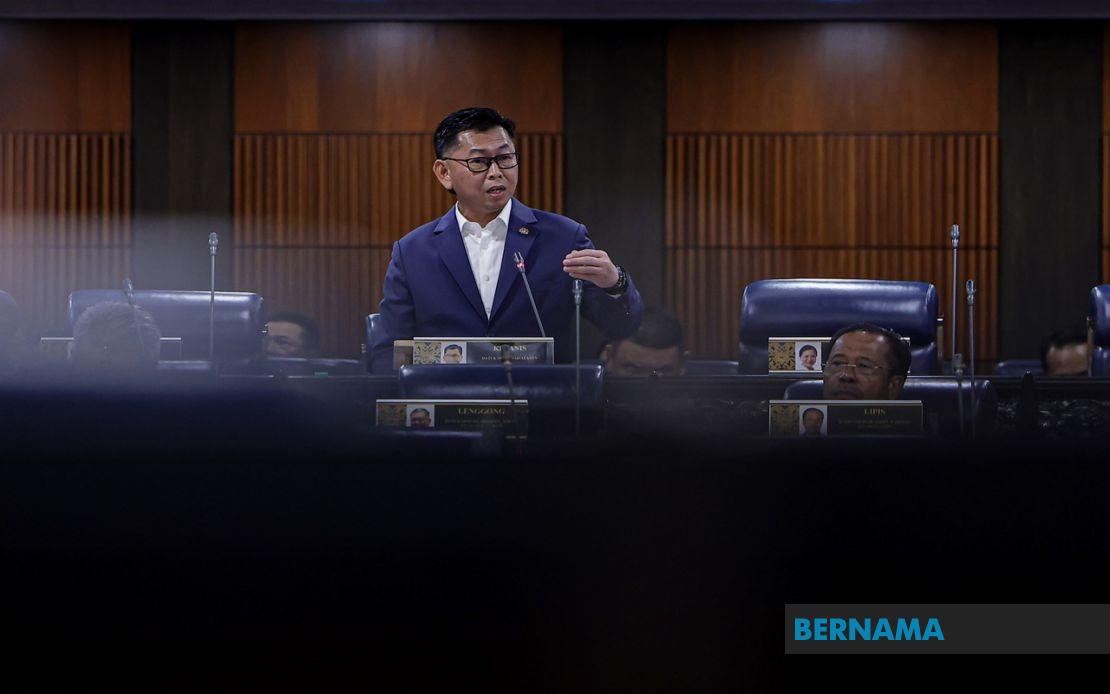
Malaysia's Ministry of Entrepreneur and Cooperatives Development (KUSKOP) is rolling out an ambitious strategic blueprint designed to fortify the nation's micro, small and medium-sized enterprises in an increasingly competitive digital landscape. The initiative, formally known as the Micro, Small and Medium Enterprises Strategic Plan 2030, directly addresses mounting pressures on local digital entrepreneurs who face stiff competition from overseas traders operating at substantially lower cost structures. Deputy Minister Datuk Mohamad Alamin unveiled the framework during parliamentary question time, emphasising that the strategy represents a comprehensive approach to transforming Malaysia's MSME sector into a more resilient, sustainable and internationally competitive ecosystem capable of navigating rapid technological shifts and unforeseen market disruptions.
The strategic imperative underlying the plan reflects a growing recognition within Malaysian policymaking circles that cost disadvantages have become a significant barrier to local digital entrepreneurs competing on level ground with their international counterparts. KUSKOP's awareness of these structural challenges has prompted the development of targeted interventions aimed at reducing entry barriers and operational expenses for domestic traders venturing into e-commerce and digital marketplaces. Rather than imposing direct trade restrictions or protectionist mechanisms that could invite international friction, the ministry has opted for a capacity-building approach centred on providing free or subsidised digital infrastructure and support services designed to neutralise cost advantages enjoyed by foreign sellers.
Central to this strategy is MyMall, an e-commerce platform launched in 2022 that offers local entrepreneurs and cooperative societies a zero-cost digital marketplace without the traditional premises rental charges that typically burden brick-and-mortar operations. This initiative addresses a fundamental pain point for Malaysian small traders seeking to establish an online presence without depleting limited capital reserves. By May 31 of this year, the platform had attracted 5,776 registered traders, collectively generating cumulative sales of RM24.5 million, demonstrating tangible uptake among the target demographic and validating the demand for cost-effective digital distribution channels within Malaysia's MSME community.
Beyond MyMall, KUSKOP has forged strategic partnerships to unlock additional opportunities for local digital entrepreneurs operating on global platforms. Through its subsidiary Tekun Nasional, the ministry collaborated with TikTok Shop to establish livestream studio facilities—a critical resource for entrepreneurs seeking to leverage social commerce on one of Asia's fastest-growing platforms. Livestreaming has emerged as a dominant sales mechanism in Southeast Asian e-commerce, with consumers increasingly preferring interactive purchasing experiences. The availability of subsidised studio infrastructure removes a significant capital investment burden that would otherwise deter smaller traders from accessing this high-growth channel. Data shows that 1,054 local digital entrepreneurs have utilised these facilities since their introduction, collectively achieving sales exceeding RM35 million, suggesting that providing access to production-quality resources can unlock substantial commercial potential.
The ministry's commitment to digital inclusion extends into underserved rural communities that historically lag in e-commerce adoption. Bank Rakyat, operating under KUSKOP's purview, has spearheaded the Jajahan Rakyat programme, which specifically targets rural entrepreneurs with financing and digitalisation support services. This initiative has successfully brought 627 rural traders into the digital economy framework, supported by a dedicated financing allocation of RM610.6 million designed to ensure that geographic remoteness does not translate into economic exclusion. Rural entrepreneurs often face particular challenges in accessing capital for digital transformation, including vulnerability to inflexible lending terms and limited understanding of technology requirements, making dedicated financing instruments essential for meaningful inclusion.
The Malaysian government's approach reflects a pragmatic understanding that sustainable competitiveness for local MSMEs cannot be achieved through isolationist trade policies, particularly given the borderless nature of digital commerce and the region's deep integration into global supply chains. Instead, the strategy emphasises capability development, infrastructure provision and financial enablement as the primary mechanisms through which local entrepreneurs can improve their market position relative to foreign rivals. This philosophy aligns with broader Southeast Asian trends toward competitive capacity-building rather than protectionism, acknowledging that quality and innovation ultimately determine long-term competitive advantage in digital markets.
The 2030 Strategic Plan framework also reflects deeper contextual realities within Malaysia's business environment. The nation's cost structure—driven by higher labour costs, real estate expenses and regulatory compliance requirements compared to some neighbouring economies—creates genuine structural disadvantages that cannot be addressed through policy alone. However, what Malaysian MSMEs can develop are advantages in customer relationships, cultural understanding, supply chain proximity and service quality. The government's role through KUSKOP is to provide the enabling infrastructure that allows entrepreneurs to compete on these strengths rather than engaging in a race to the bottom on costs.
The parliamentary context in which Deputy Minister Alamin presented these initiatives is worth noting. The question from Kinabatangan MP Mohd Kurniawan Naim Moktar reflects constituent concerns about declining competitiveness of local traders in digital markets, a political preoccupation that extends across Malaysia's parliamentary representation. The government's response, focused on demonstrating concrete initiatives and measurable outcomes through specific platform registrations and sales figures, indicates a strategic commitment to keeping MSME digital transformation prominently positioned within the broader national development agenda. The specific citation of numbers—5,776 MyMall traders, 1,054 livestream studio users, 627 rural entrepreneurs—suggests that KUSKOP is building an increasingly data-driven approach to measuring programme effectiveness and demonstrating return on public investment.
Looking ahead, the 2030 timeframe for this strategic plan indicates that Malaysian policymakers view MSME digital transformation as a multi-year undertaking requiring sustained commitment and iterative refinement. The plan's success will depend not merely on the provision of platforms and financing, but on continuous adaptation as digital commerce technologies evolve, consumer preferences shift and competitive dynamics shift. The involvement of multiple agencies—MyMall, Tekun Nasional, TikTok Shop partnerships and Bank Rakyat—suggests a whole-of-government approach that recognises digital entrepreneurship touches multiple policy domains including financial services, cooperative development and consumer protection.

