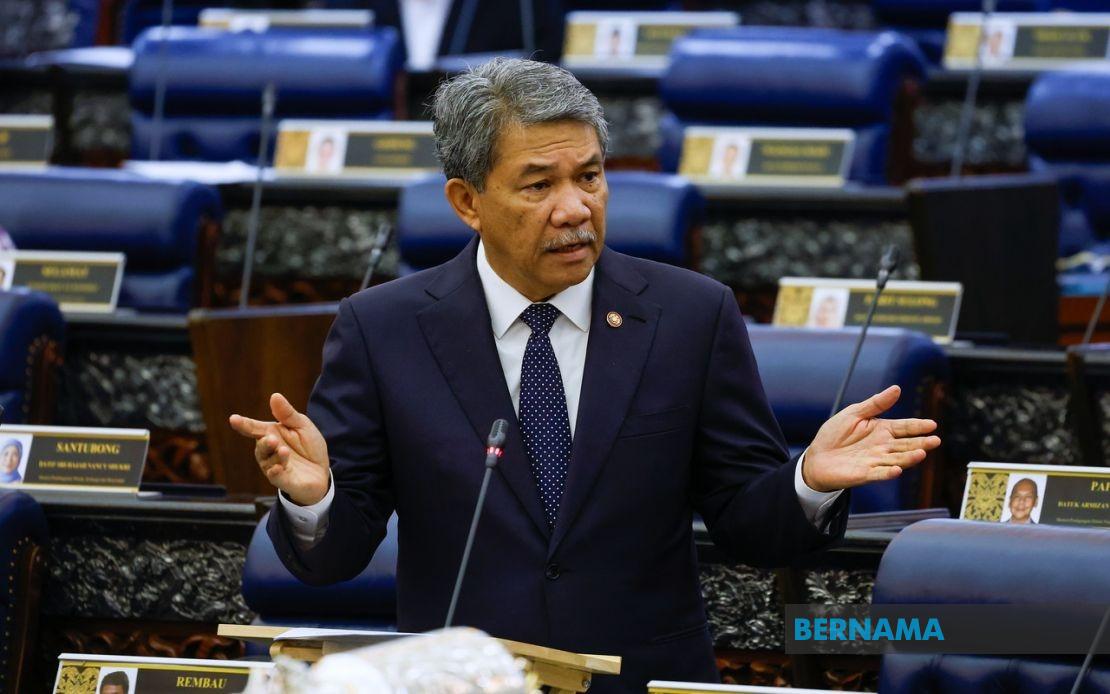
Malaysia's recent diplomatic visit to Myanmar should not be construed as tacit acceptance of the military government that has governed the country since 2021, Foreign Minister Datuk Seri Mohamad Hasan has insisted. Speaking in Parliament, Mohamad clarified that the Malaysian delegation's May trip to Yangon was conducted strictly within the framework of ASEAN's consensus-building approach and did not signal any shift in Kuala Lumpur's principled opposition to the junta regime.
The clarification came in response to parliamentary scrutiny regarding the visit's diplomatic implications. Mohamad stressed that Malaysia maintains its longstanding refusal to formally recognise the Myanmar military administration, a position that aligns with ASEAN's collective stance on the governance crisis that has unfolded since the 2021 coup. He emphasised that this engagement strategy does not diminish or compromise Malaysia's commitment to the Five-Point Consensus, the ASEAN framework adopted to address Myanmar's political and humanitarian challenges.
The visit itself was mandated by the 48th ASEAN Summit, which instructed the regional bloc's foreign ministers to continue pursuing informal diplomatic channels with Myanmar despite its political volatility. By framing the engagement as a continuation of existing ASEAN protocol rather than a bilateral Malaysian initiative, Mohamad sought to distinguish between diplomatic dialogue and political legitimacy. His meeting with Myanmar Foreign Minister Tin Maung Swe took place in a hotel setting rather than at an official government ministry, a venue choice that symbolically reinforced the informal and transactional nature of the encounter.
During their conversation, Mohamad conveyed Malaysia's expectations for Myanmar's behaviour as an ASEAN member state. The Foreign Minister articulated the principle that while Myanmar possesses certain rights by virtue of its membership in the regional organisation, these entitlements are counterbalanced by reciprocal obligations and responsibilities. This framing reflects Malaysia's nuanced diplomatic approach: maintaining engagement without endorsement, and asserting that membership in ASEAN carries conditions regarding governance standards and adherence to collective principles.
The broader rationale underpinning Malaysia's diplomatic strategy toward Myanmar centres on preventing the country's complete international isolation. Mohamad warned that total exclusion and diplomatic ostracism could create a power vacuum, potentially inviting interference from external actors with strategic interests in the region. This concern reflects growing anxieties within ASEAN about great power competition in Southeast Asia, particularly regarding how isolated states might become vulnerable to exploitation by China or other powers seeking to expand their sphere of influence.
Maintaining dialogue channels with Naypyidaw serves as a counterbalance to this risk. By sustaining communication with Myanmar's ruling structures, ASEAN member states including Malaysia can theoretically exert ongoing pressure for policy changes while preventing Myanmar from drifting toward dependence on external patrons. This calculus underscores the tension within ASEAN's approach: balancing principle with pragmatism, criticism with engagement, and international pressure with regional stability considerations.
Malaysia intends to convene additional stakeholder meetings with Myanmar in early to mid-July, continuing a cycle of diplomatic outreach aimed at exploring pathways toward resolving the country's multifaceted crisis. These discussions will reiterate Malaysia's core demands: cessation of armed violence, implementation of meaningful ceasefires, inclusive political dialogue involving civilian leaders and opposition forces, and unrestricted humanitarian access for vulnerable populations. These positions directly reflect the objectives enshrined in the Five-Point Consensus, which remains ASEAN's principal policy framework despite its limited implementation success.
The Five-Point Consensus, originally adopted in April 2021, has proven challenging to operationalise given the junta's minimal compliance with its stipulated conditions. Yet Malaysia and other ASEAN partners persist in invoking this framework as the authoritative regional position on Myanmar's political transition, even as the country's humanitarian situation deteriorates and armed conflict intensifies between government forces and resistance movements. The commitment to the Consensus symbolises ASEAN's united opposition to the coup while simultaneously limiting the bloc's capacity to impose meaningful consequences on Myanmar's non-compliance.
Modern diplomacy often requires navigating contradictions between stated principles and practical engagement. Mohamad's parliamentary explanation reflects Malaysia's attempt to thread this needle: maintaining dialogue without legitimising military rule, continuing diplomatic efforts without abandoning the Five-Point Consensus framework, and preserving ASEAN's collective unity while individually advocating for Myanmar's return to democratic governance. This balancing act remains central to regional responses to Myanmar's ongoing political crisis.
For Malaysian policymakers and ASEAN observers more broadly, the challenge lies in determining whether sustained engagement with Myanmar's military leadership can actually influence behaviour or merely prolongs a stalemate that perpetuates suffering. Mohamad's emphasis on maintaining communication channels reflects the belief that isolation would prove counterproductive, yet Myanmar's trajectory since 2021 suggests that diplomatic dialogue alone cannot compel significant policy shifts without complementary economic, political, or military pressures that ASEAN has proven unwilling to apply. The upcoming July meetings will test whether incremental engagement can yield substantive progress toward the conflict resolution and governance transformation that the region seeks.

