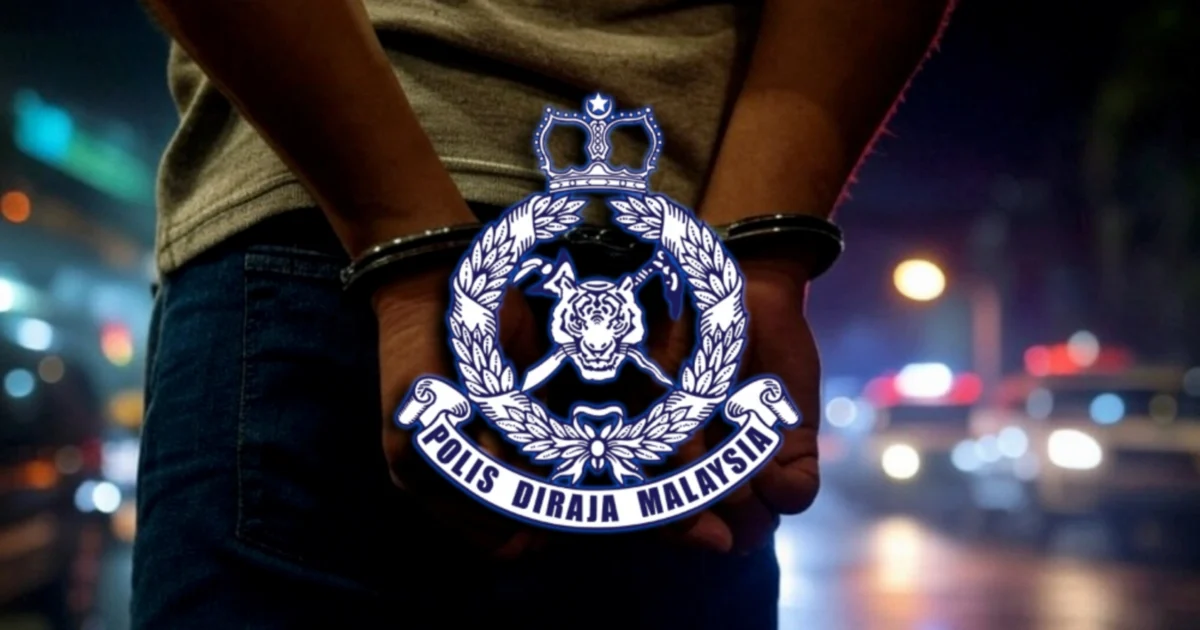
Authorities in Taiping have apprehended a man suspected of removing 43 metres of railway cables belonging to Keretapi Tanah Melayu Berhad (KTMB) from a track section in the Padang Rengas-Kamunting corridor. The incident came to light during the early morning hours at the Km95.75 location along the railway line, prompting a swift police response.
The arrest represents the latest in a recurring problem facing Malaysia's national railway operator, which has grappled with copper and metal theft along its extensive network across the country. The Padang Rengas-Kamunting sector, which serves the northern state of Perak, has been identified as a particularly vulnerable stretch, with cable theft posing operational disruptions and safety hazards for train services in the region.
KTMB cables are critical infrastructure components that support signalling systems, power supply, and communications along railway corridors. Their theft not only creates immediate financial losses but can severely compromise the safety and reliability of train operations. The removal of cables can interfere with signal transmission, potentially placing passengers and railway staff at risk and causing service delays across the network.
The Padang Rengas-Kamunting line connects central Perak with the Klang Valley, serving as a vital transportation corridor for both passenger and freight services. Disruptions along this sector can have cascading effects on train schedules throughout the northern region, affecting commuters and goods transportation across the state and beyond. The railway operator has periodically increased security patrols and surveillance measures in response to such incidents.
Metal theft remains a persistent challenge for infrastructure operators across Southeast Asia. The high scrap value of copper and aluminium has incentivized organized and opportunistic criminals to target railway lines, power distribution networks, and telecommunications infrastructure. Malaysian authorities have intensified enforcement efforts to combat this phenomenon, recognising its broader economic and safety implications.
Police investigations into the Taiping incident are ongoing to establish the full circumstances surrounding the cable theft and to determine whether the arrested individual was acting alone or as part of a larger operation. Authorities typically examine whether suspects have been involved in similar incidents at other locations or are connected to organised theft networks that target infrastructure assets.
The arrest comes amid broader efforts by KTMB to enhance security along its 2,000-kilometre network, which spans from Johor Bahru in the south to Padang Besar in the north. The railway operator has invested in additional security personnel, improved fencing, and surveillance technology at vulnerable sections of track. However, the vast length of the network and the remote nature of many railway sections present ongoing challenges for comprehensive protection.
Local communities and railway users in the northern corridor have increasingly expressed concerns about service reliability and security. Cable theft incidents can lead to extended service suspensions while replacement infrastructure is installed and tested, imposing significant inconvenience on businesses and daily commuters who depend on the rail network for connectivity.
The case is being investigated further by Taiping police, who are working to recover the stolen cables and determine their intended destination. Scrap metal dealers and recycling facilities in the region may be scrutinised as part of the investigation to trace the distribution chain for stolen railway materials. Authorities have also been strengthening coordination with scrap metal traders to establish protocols for verifying the legitimacy of material sources.
Prevention strategies adopted by KTMB have included community engagement programmes to encourage local residents to report suspicious activities near railway lines, in addition to deploying security patrols during high-risk periods. The railway operator has also worked with law enforcement to implement stricter penalties for cable and infrastructure theft, aiming to serve as a deterrent to potential offenders.
For Malaysian rail users and freight operators, such incidents underscore the importance of sustained investment in railway security and maintenance. The efficient functioning of public transport infrastructure directly supports economic development and quality of life across the nation, making the protection of such assets a matter of national significance. The Taiping arrest demonstrates that authorities remain vigilant, though the challenge of securing such extensive infrastructure networks continues to require coordinated and multi-faceted approaches.

