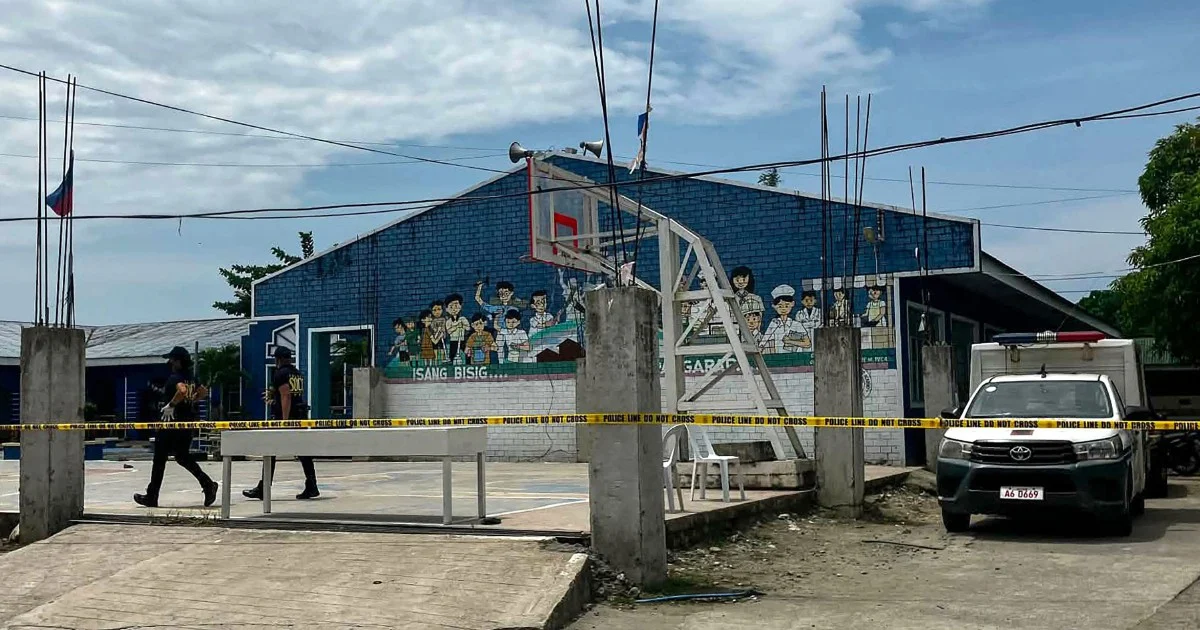
Philippine President Ferdinand Marcos Jr has ordered a formal investigation into a school shooting in the city of Tacloban that resulted in three deaths and left five others wounded. The incident, which occurred in what authorities describe as a school facility, has prompted immediate scrutiny at the highest levels of government as Manila grapples with ongoing concerns about gun violence in educational settings across the archipelago.
The tragedy in Tacloban, capital of Leyte province in the Eastern Visayas region, underscores persistent challenges facing the Philippines in curbing armed violence within communities, particularly in spaces designated for learning and child safety. Schools have historically been regarded as sanctuaries, making incidents of this nature especially jarring for families and policymakers alike. The decision by President Marcos to intervene personally signals the gravity with which the administration views the matter and hints at broader implications for public safety governance in the region.
Tacloban has experienced considerable reconstruction efforts in recent years following major natural disasters, making this incident a fresh setback for a community still working toward stability. The city, which suffered catastrophic damage during Typhoon Haiyan in 2013, has been rebuilding its infrastructure and social institutions. School shootings in such contexts carry additional weight, as educational institutions are often central to recovery and community resilience efforts.
The investigation ordered by the President will likely examine multiple dimensions of the incident, including how the shooter obtained firearms, whether warning signs were missed by authorities or school administrators, and what security measures were in place at the time. These inquiries typically inform policy discussions about stricter gun control measures, improved threat assessment protocols, and enhanced security infrastructure in educational institutions nationwide.
The Philippines has experienced sporadic incidents of armed violence in schools, though mass shootings remain less frequent than in some other countries. Nevertheless, each occurrence prompts renewed debate about the balance between public safety and responsible civilian gun ownership. The nation maintains complex firearms regulations, and enforcement of existing laws varies across provinces and municipalities, creating pockets of vulnerability that criminal elements and individuals intent on harm can exploit.
International observers have frequently noted that Southeast Asia's varying approaches to gun control and school safety reflect broader differences in governance capacity and prioritisation. While some nations in the region have implemented comprehensive security protocols and strict licensing requirements, others struggle with limited resources for enforcement. The Philippines, as one of the region's largest democracies with a substantial population, faces particular challenges in achieving uniform standards across its sprawling archipelago.
The five individuals who sustained injuries in the shooting are expected to require varying levels of medical intervention, depending on the severity of their wounds. The physical and psychological trauma affecting survivors, witnesses, and the broader school community will likely persist long after the immediate crisis subsides. Mental health support and trauma counselling services will become important components of the recovery process, addressing not only the injured but also students and staff whose sense of safety has been fundamentally shaken.
The timing of President Marcos's intervention suggests that the administration intends to treat this incident as more than a singular tragedy requiring routine investigation. Such high-level presidential involvement often precedes policy announcements or legislative initiatives designed to prevent similar occurrences. Whether this investigation results in new security mandates for schools, revised gun licensing procedures, or enhanced coordination between law enforcement agencies remains to be determined, but the presidential directive indicates momentum toward systemic responses.
For Malaysian observers, the Tacloban incident carries relevance beyond the immediate Philippines context. As a fellow Southeast Asian nation with significant urban and remote populations, Malaysia shares structural similarities with the Philippines in terms of governance challenges and resource distribution. Comparative analysis of how different countries within the region manage school security and firearm regulation offers insights into best practices and potential pitfalls. Malaysia's own approaches to institution security and public safety can be evaluated against regional developments and international standards.
The incident also reflects broader hemispheric trends in public safety that merit regional attention. Armed violence affecting civilians, particularly in protected spaces like schools, challenges the social contract underlying democratic governance. How governments respond—whether through legislative action, resource allocation, or institutional reform—signals their commitment to protecting vulnerable populations and maintaining public confidence in state institutions.
The investigation ordered by President Marcos will unfold against a backdrop of existing debates about gun violence, school safety infrastructure, and community policing in the Philippines. Stakeholders ranging from educators and parents to law enforcement agencies and civil society organisations will scrutinise the findings and recommendations that emerge. The incident serves as a catalyst for examining not only what went wrong in Tacloban but also what systemic vulnerabilities exist elsewhere that might be addressed proactively to prevent future tragedies within educational settings across the nation.

