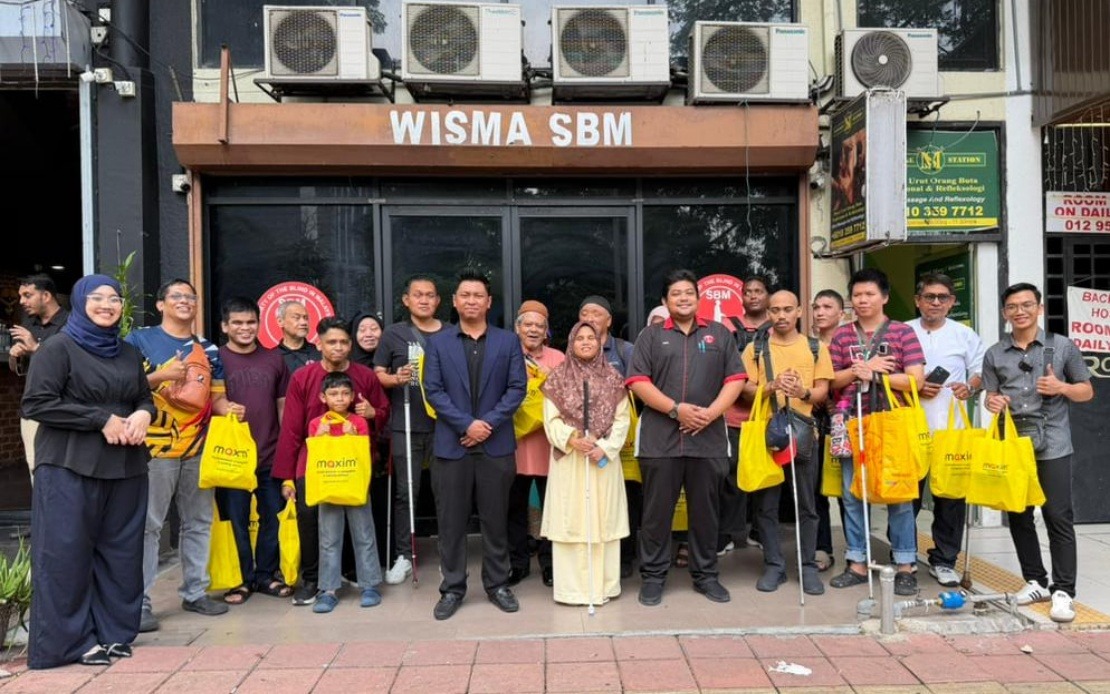
E-hailing platform Maxim is intensifying its push to dismantle transportation barriers affecting persons with disabilities, elderly citizens, low-income households, and other marginalised demographics across Malaysia. The company is pursuing this goal through a combination of economical fare structures, purpose-built technology, and collaborative arrangements with hospitals, educational bodies, and non-governmental organisations. This strategic initiative reflects a broader recognition within the mobility sector that accessible transport is foundational to social inclusion and economic participation.
According to Syed Abdul Syarif Syed Peiaru, Maxim's Kuala Lumpur head, the company views transportation as fundamentally about unlocking opportunities rather than merely moving bodies between locations. His vision extends beyond simple ride-sharing to encompassing mobility as a tool for empowerment—a means through which individuals access education, secure employment, receive healthcare, and maintain social connections. This framing places Maxim's accessibility initiatives within a broader socioeconomic context where transport becomes inseparable from quality of life and human dignity.
The rationale underpinning these efforts is straightforward yet compelling. Reliable transportation enables vulnerable populations to remain economically and socially engaged with their communities. Without accessible mobility options, persons with disabilities face compounded barriers to employment and independent living. Similarly, senior citizens and low-income families often experience reduced autonomy when public and private transport infrastructure fails to accommodate their needs. By positioning affordability and comfort as twin pillars of its strategy, Maxim acknowledges that accessibility cannot exist in isolation from economic viability.
Central to Maxim's approach is the Mesra OKU service, a tailored offering featuring extended waiting periods for passengers requiring additional boarding time, driver training protocols focused on accessibility support, accommodation of mobility aids, and voice-recognition booking capabilities. This design allows passengers to communicate assistance requirements through the application, enabling drivers to prepare appropriately before arrival. The feature represents a deliberate shift from assuming all users have identical needs toward creating differentiated services that reflect actual passenger diversity.
The technology dimension proves equally significant. Maxim's digital infrastructure provides transparent fare information, real-time driver location data, and streamlined booking processes—functionalities that benefit all users but carry particular weight for persons with disabilities who may struggle with traditional hailing methods. The platform's integration with voice recognition systems, developed in collaboration with the Society of the Blind in Malaysia, exemplifies how technological adaptation can reduce friction for visually impaired users without requiring them to navigate separate applications or alternative services.
Partnerships represent a third strategic pillar. By establishing relationships with hospitals, educational institutions, and organisations serving vulnerable communities, Maxim positions itself as an integrated component of broader social infrastructure. A person attending regular medical appointments, a student commuting to university, or a para-athlete travelling to competitions—each benefits from seamless transport connectivity woven into their routine activities. These partnerships also generate valuable insights into user needs, allowing the platform to refine offerings based on real-world feedback from those most affected by mobility gaps.
The company's engagement with para-athletes and adaptive sports communities illustrates how inclusive mobility extends beyond daily necessities into enabling participation in competitive and recreational pursuits. Transport support for Sarawak para swimmers represents recognition that access to training facilities and competitions constitutes a dimension of social inclusion often overlooked in transport policy discussions. This demonstrates how mobility services can either perpetuate or mitigate inequality in sporting opportunities.
Special pricing mechanisms tailored for persons with disabilities and individuals with special needs constitute a further layer of Maxim's accessibility strategy. By ringfencing reduced fares for designated groups, the company addresses a fundamental barrier: affordability. Even where transport infrastructure exists, prohibitive costs effectively exclude low-income populations. Subsidised pricing for vulnerable groups represents a deliberate market segmentation choice prioritising inclusion over uniform pricing models.
Syed Abdul Syarif's articulation of the company's vision emphasises ongoing refinement and responsiveness to community needs. This signals recognition that accessibility is not a destination but an iterative process requiring continuous engagement with users, community organisations, and advocacy groups. As technology evolves, opportunities emerge for features that further reduce barriers—whether through enhanced voice interfaces, improved driver training protocols, or better integration with public health and education systems.
For Malaysia specifically, Maxim's initiatives arrive amid broader conversations about inclusive economic participation and social mobility. The country's aging population, combined with persistent income inequality, creates substantial segments of the population facing transportation challenges. Additionally, as Malaysia positions itself as a regional technology hub, showcasing how digital platforms can serve underserved communities carries reputational and policy significance.
The stated intention to work with government agencies, healthcare providers, and educational institutions suggests potential for deeper institutional integration. If formalised through policy frameworks or subsidised service agreements, Maxim's accessibility features could transition from corporate initiative toward embedded infrastructure. This would anchor inclusive mobility within broader development and social welfare objectives rather than leaving it dependent on commercial calculations alone.
Southeast Asian context matters here as well. Regional peer platforms increasingly recognise that serving lower-income demographics and marginalised groups represents both a social imperative and long-term market opportunity. Demonstrating how technology companies can profitably serve previously underserved populations influences competitor strategies and shapes regulatory expectations across the region.
Maxim's accessibility agenda ultimately reflects a conviction that transportation is fundamentally a social good deserving universal access. Whether this commitment withstands pressure to maximise short-term profitability, and whether partnerships translate from declarative statements into operational reality, will determine whether these initiatives genuinely reshape mobility access for vulnerable Malaysians or remain aspirational messaging with limited practical impact.

