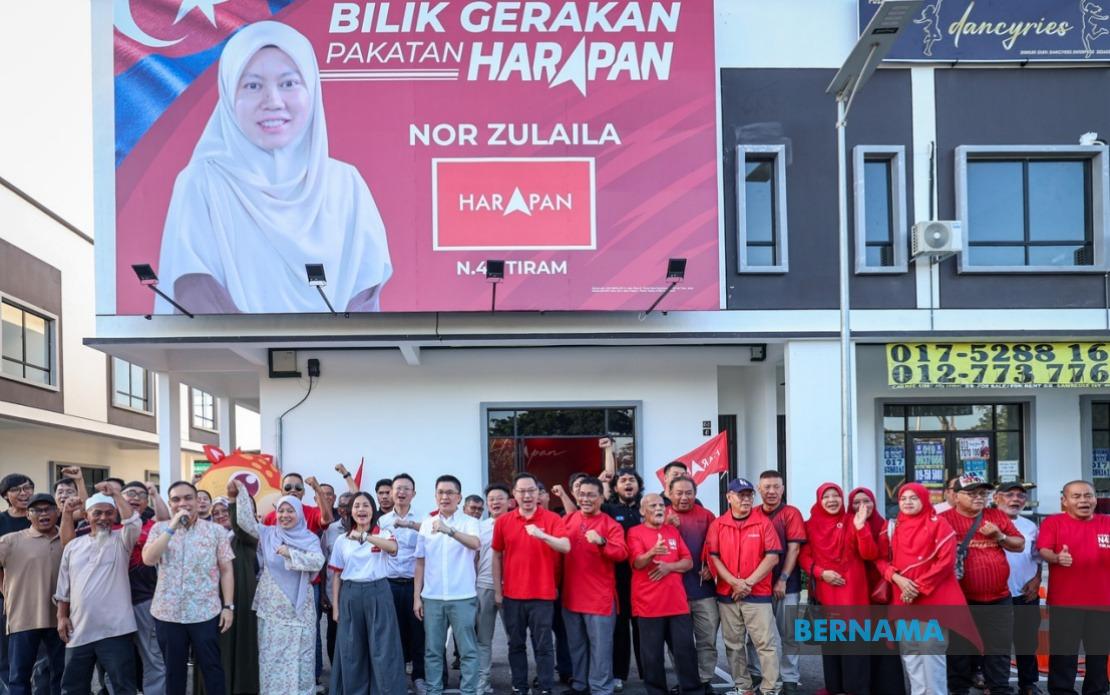
The Malaysian Communications and Multimedia Commission has been tasked with ensuring reliable internet connectivity throughout the upcoming Johor state election campaign, with particular attention to high-traffic areas where political rallies and voter engagement activities are scheduled to take place. Deputy Communications Minister Teo Nie Ching made the announcement during a campaign event in Pasir Gudang, emphasising the critical importance of stable digital infrastructure for modern electoral processes.
Teo's directive reflects a strategic recognition that seamless internet access has become essential to contemporary political campaigning. Beyond the traditional mechanisms of grassroots organising, digital connectivity now underpins how candidates disseminate information to voters, coordinate campaign logistics, and maintain real-time communication with supporters. The minister specifically highlighted that consistent connectivity facilitates the smooth execution of political rallies and ensures voters receive timely, accurate information during the crucial campaign window.
The MCMC has been instructed to implement regular monitoring protocols, with heightened surveillance of areas anticipated to attract significant crowds. This proactive approach suggests lessons learned from previous electoral exercises and acknowledgment that infrastructure stress often occurs at concentrated campaign venues where demand for mobile data and internet bandwidth typically peaks. By identifying potential bottlenecks in advance, the commission can deploy additional resources or capacity where needed most.
Teo, who serves as Johor DAP chief, articulated the ruling coalition's confidence based on ground-level feedback from constituents across the state. Campaigners have observed encouraging receptiveness among voters, with particularly notable engagement from citizens temporarily residing outside their home constituencies who have expressed determination to return for polling day. This phenomenon, which Teo characterised as reflecting civic responsibility, potentially indicates higher-than-average voter turnout expectations for the July 11 election.
The Democratic Action Party's campaign strategy emphasises comprehensive coverage across all 17 contested seats without designating any as secure. This approach, deliberately rejecting the notion of "safe seats," stems from a conviction that complacency in traditional strongholds can undermine electoral performance. By maintaining uniform resource allocation and campaign intensity across all constituencies, DAP aims to counter the demoralisation that sometimes afflicts opposition campaigners in competitive environments.
Teo acknowledged that distinct electoral challenges characterise different geographical areas and demographic zones within Johor. Rather than imposing a one-size-fits-all campaign template, the party is investing effort in understanding and addressing localised concerns specific to each constituency. This contextualised approach recognises that voter priorities vary substantially—urban constituencies may prioritise different issues than rural areas, and communities with significant migrant populations face distinct policy concerns compared to established residential zones.
The electoral timeline has compressed significantly, with nomination day occurring immediately after the announcement. Early voting was scheduled for July 7, providing opportunities for voters unable to participate on the main polling day. This compressed calendar requires campaigns to operate with exceptional efficiency and coordination, underscoring why digital infrastructure becomes particularly valuable for time-sensitive campaign communications and logistical coordination.
The presence of multiple senior opposition figures at the Tiram operations room launch—including Deputy Education Minister Wong Kah Woh, Bangi MP Syahredzan Johan, and Tebrau MP Jimmy Puah Wee Tse—signalled the Pakatan Harapan coalition's commitment of high-level political capital to the Johor contest. Their participation in local campaign infrastructure inaugurations demonstrates the significance this state election holds for the national opposition alliance, particularly as Johor represents traditionally competitive political territory where marginal gains translate into substantial parliamentary representation shifts.
The appointment of Nor Zulaila Abdul Ghani as the Tiram candidate reflected efforts to field candidates capable of mobilising grassroots support while maintaining credibility with diverse voter demographics. Campaign management infrastructure such as dedicated operations rooms serve as command centres coordinating volunteer activities, managing information flows, and monitoring real-time campaign developments. These physical spaces have become increasingly integrated with digital systems, further justifying the emphasis on robust internet connectivity.
Internet reliability during election campaigns extends beyond mere convenience—it encompasses aspects of electoral integrity and democratic participation. When connectivity fails in voter information dissemination channels, misinformation may proliferate through alternative networks. Similarly, when campaign operations encounter digital infrastructure constraints, resource allocation inefficiencies may disadvantage less-resourced campaigns. The MCMC's commitment therefore carries implications for competitive fairness across the electoral landscape.
For Malaysian voters, particularly in Johor, this development signifies official acknowledgment that digital access constitutes part of the infrastructure supporting informed democratic participation. As campaigns increasingly leverage social media, instant messaging platforms, and online information distribution, the quality of underlying connectivity directly influences how effectively voters access campaign messages and substantive policy information. This technological dimension of modern elections reflects broader shifts in how Malaysians engage with political processes.
The Johor state election represents a significant test of the Pakatan Harapan coalition's electoral appeal outside peninsular strongholds and its ability to sustain momentum in contested territories. By ensuring technological infrastructure supports rather than hinders campaign activities, the MCMC's mandate aligns electoral administration with contemporary requirements. The election's outcome will provide important indicators for national political trajectories as Malaysia approaches subsequent electoral cycles.

