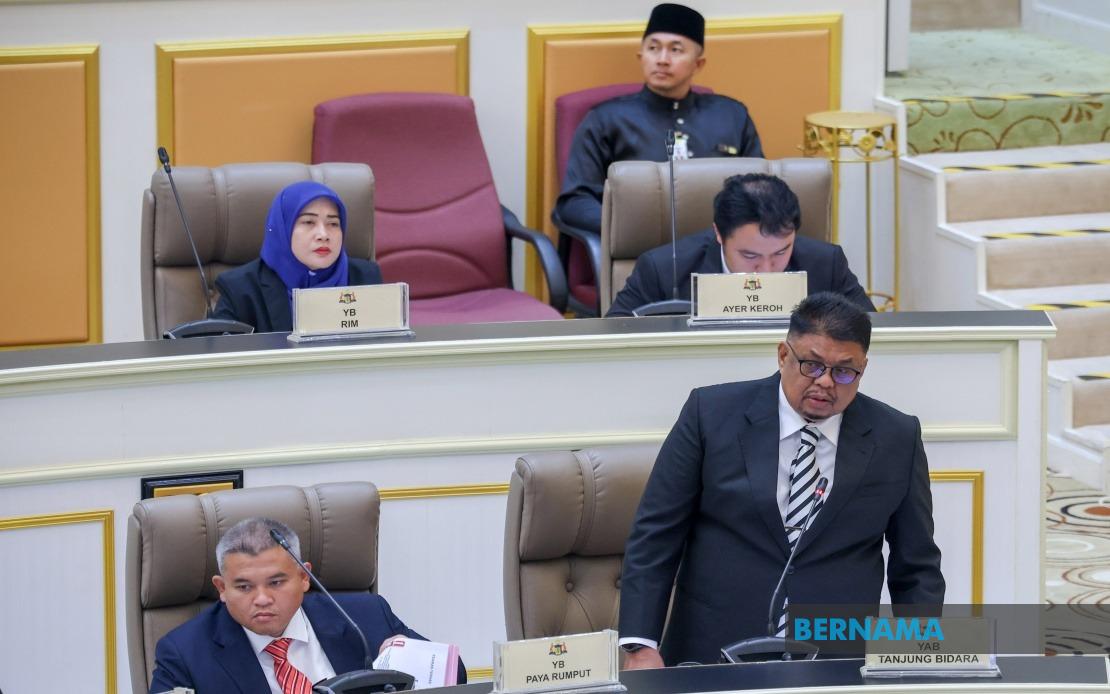
The Melaka State Legislative Assembly has cleared a significant constitutional hurdle by endorsing amendments that would enable the appointment of nominated state assemblymen for the first time. The Melaka State Constitution (Amendment) Bill 2026 secured passage on July 14 with backing from 23 assemblymen, though the measure faced resistance from five legislators who voted against the proposal.
Chief Minister Datuk Seri Ab Rauf Yusoh championed the legislation, which stands as a formal realization of electoral commitments made during the 2021 state election campaign. The initiative draws parallels to the federal appointment mechanism used for Dewan Negara members, seeking to introduce specialist input into state-level deliberations. By permitting the nomination of up to seven individuals, Melaka joins a broader conversation about legislative composition that has gained traction across Malaysian states examining how to optimize representation structures.
The constitutional modification targets individuals possessing specialized knowledge spanning law, economics, education, investment technology and state development. The fundamental logic underpinning the amendment rests on a conviction that electoral processes, while democratically essential, sometimes exclude accomplished professionals and subject-matter experts whose contributions could materially strengthen legislative performance. This reflects growing recognition across Southeast Asian democracies that purely electoral systems may inadvertently sideline technical expertise necessary for navigating increasingly complex policy domains.
Beyond expertise considerations, the amendment explicitly addresses representation gaps affecting constituencies historically underserved by traditional electoral mechanisms. Women, young professionals, Orang Asli communities, minority groups and industry stakeholders frequently encounter structural barriers when attempting to secure elected office. The nominated appointment pathway creates alternative entry routes for these demographics, potentially reshaping the assembly's demographic composition and ensuring legislative deliberations incorporate perspectives traditionally marginalized within competitive electoral environments.
Chief Minister Ab Rauf articulated that appointed members would strengthen institutional checks and balances by introducing detached analytical perspectives on proposed legislation, administrative policies and governance matters. This dimension reflects frustration with purely partisan legislative cultures where party discipline sometimes overrides objective scrutiny of government initiatives. The expectation that appointed members wielding professional credentials might operate with greater independence could reshape deliberative dynamics, though implementation outcomes would ultimately depend on appointment processes and member conduct.
The opposition bloc, represented by Opposition Leader Dr Mohd Yadzil Yaakub, extended conditional support during legislative debates, framing the amendment as institutional strengthening provided transparency and merit-based selection mechanisms genuinely prioritize public interests. This consensus reflects a notable absence of ideological objection to appointed representation itself, concentrating concern instead on procedural safeguards and preventing appointments from becoming conduits for political patronage. Such backing from both governmental and opposition quarters suggests relatively broad recognition that legislative institutional development merits bipartisan consideration.
Three assemblymen participated in formal debate preceding the vote, with two government-aligned legislators and a single opposition voice contributing remarks. The limited debate schedule suggests the amendment enjoyed sufficient consensus to preclude extended parliamentary combat, distinguishing it from more contentious constitutional modifications that typically generate lengthier deliberative sessions. This procedural efficiency, however, raises questions about public consultation processes preceding legislative action on constitutional matters that fundamentally alter representation architecture.
For Malaysian observers, the Melaka development carries broader implications amid ongoing discussions about parliamentary reform and democratic strengthening across Southeast Asia. Whether appointed members genuinely enhance institutional functioning, remain politically constrained, or eventually become perceived as undermining electoral legitimacy will furnish important empirical evidence influencing similar proposals in other Malaysian states and regional jurisdictions. The experiment's trajectory over coming years will substantially inform whether appointed assemblies constitute democratic innovation or institutional decay.
Implementation mechanics remain substantially undefined. Criteria governing nominations, appointment authority designation, tenure duration, and member remuneration frameworks all require clarification through subsidiary legislation or administrative protocols. These operational specifications will critically determine whether the amendment achieves stated objectives regarding expertise injection and inclusive representation, or instead devolves into venue for political favoritism and cronyism. Transparency in appointment processes becomes paramount for legitimacy preservation.
The amendment's passage completes an electoral pledge undertaken during 2021 state election campaigns, fulfilling Barisan Nasional's commitment to institutional modernization under the political stability and mature politics framework. This fulfillment of previous commitments potentially strengthens governmental credibility regarding legislative delivery, though public reception to actual appointments and member performance will substantially condition whether this constitutional innovation gains enduring acceptance or attracts subsequent restrictions.

