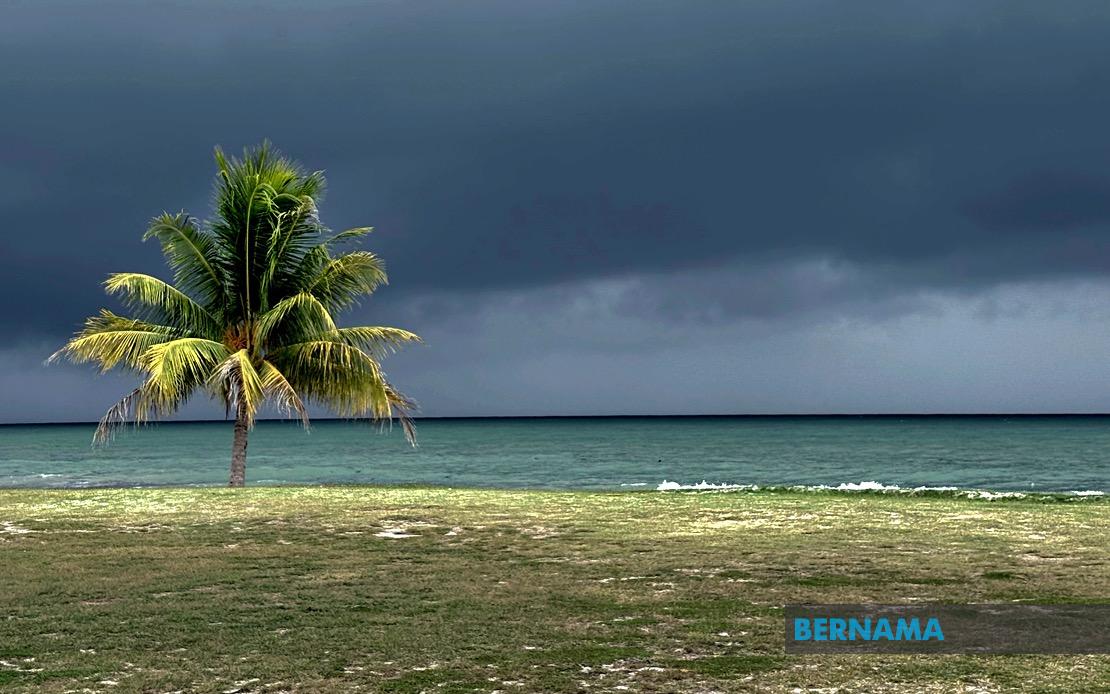
The Malaysian Meteorological Department (MetMalaysia) has alerted the public to prepare for adverse weather conditions sweeping across five states on June 25, with forecasters warning of thunderstorms, heavy rain and strong winds persisting until 11 pm. The warning covers multiple districts spread across the east coast of Peninsular Malaysia as well as portions of Malaysian Borneo, requiring residents and motorists in affected areas to exercise heightened caution during the evening hours.
On the east coast of Peninsular Malaysia, the warning encompasses several key population centres and towns. Kelantan faces the most extensive alert, with the metropolitan area of Kota Bharu alongside the districts of Bachok, Machang and Pasir Puteh all expected to experience severe thunderstorms and downpours. Terengganu's Kemaman district has also been flagged for similar conditions, while in Pahang, the alert extends to Jerantut, Temerloh, Maran and the state capital Kuantan. These districts, many of which lie in flood-prone regions along river systems and low-lying terrain, warrant particular attention given the rapid accumulation of rainfall during thunderstorm activity.
Across the border in East Malaysia, MetMalaysia has extended its warning to specific regions. In Sarawak, Limbang Division—particularly the district of Lawas in the far north—faces the threat of heavy precipitation and electrical storms. The warning reflects forecasters' assessment that unstable atmospheric conditions affecting the Malaysian region are sufficiently widespread to impact the island state despite its typically higher rainfall thresholds. This geographic spread underscores the scale of the weather system moving through the country.
In Sabah, the affected areas span three distinct geographical zones. The interior highland regions of Nabawan and Keningau may experience torrential downpours and reduced visibility due to cloud cover, conditions that can quickly render mountain roads hazardous. Along the west coast, Ranau—a popular tourist destination and agricultural region—faces similar threats. Additionally, Sandakan and its surrounding districts including Tongod, Telupid and Beluran on the east coast of Sabah have been included in the warning, extending the alert coverage across much of the state's populated areas.
Thunderstorm warnings from MetMalaysia carry significant practical implications for residents and the public. The combination of heavy rain, lightning and strong winds poses risks to outdoor activities, travel and infrastructure. Thunderstorms can produce sudden flash flooding in urban areas and along waterways, particularly problematic in low-lying suburbs and riverside communities. Strong gusty winds may down tree branches and power lines, while lightning presents direct hazards to anyone exposed outdoors. Drivers navigating rural highways and secondary roads in affected districts should anticipate reduced visibility and slippery conditions.
The timing of the warning until 11 pm suggests that the most severe weather activity is expected during evening hours, potentially coinciding with peak commute times and early nighttime activities. This temporal window is significant for planning purposes, as residents in the affected districts have a defined timeframe within which to take precautions. Schools and businesses operating in these areas may need to adjust schedules or implement contingency measures to ensure safety.
For Malaysian authorities and emergency services, such widespread warnings necessitate coordinated preparedness across multiple state boundaries. The inclusion of both peninsular and East Malaysian regions means that federal agencies overseeing disaster management, road safety and public communications must coordinate messaging and resource allocation. Local authorities in the affected districts typically activate flood monitoring centres and pre-position rescue teams in anticipation of emergency calls.
The east coast of Peninsular Malaysia, which includes Kelantan, Terengganu and parts of Pahang, has experienced increasing frequency of severe weather events in recent years, raising questions about climate patterns and long-term precipitation trends in the region. The monsoon seasons and inter-monsoon periods regularly bring torrential downpours, but the exact timing and intensity of thunderstorm systems remains difficult to predict with precision, making real-time alerts like this one essential for public safety.
Residents in the seven affected districts across Peninsular Malaysia and the various regions in Sarawak and Sabah are advised to monitor official weather updates from MetMalaysia and heed guidance from local authorities. Those in exposed locations, such as construction sites, outdoor work areas or vehicles, should seek shelter or secure their surroundings. The public should avoid unnecessary travel during peak thunderstorm hours and remain alert to changing conditions even after the official warning period expires, as localised flooding and hazardous conditions may persist beyond the forecast window.
MetMalaysia's issuance of formal alerts represents an important tool in the country's disaster risk reduction framework, enabling individuals and organisations to make informed decisions about safety and operational continuity. The specificity of district-level warnings allows targeted communication to those most directly affected rather than issuing broad state-level cautions that may miss concentrated weather impacts. As extreme weather events continue to shape daily life across Malaysia, the public's familiarity with and responsiveness to such alerts remains crucial for minimising harm and protecting lives.

