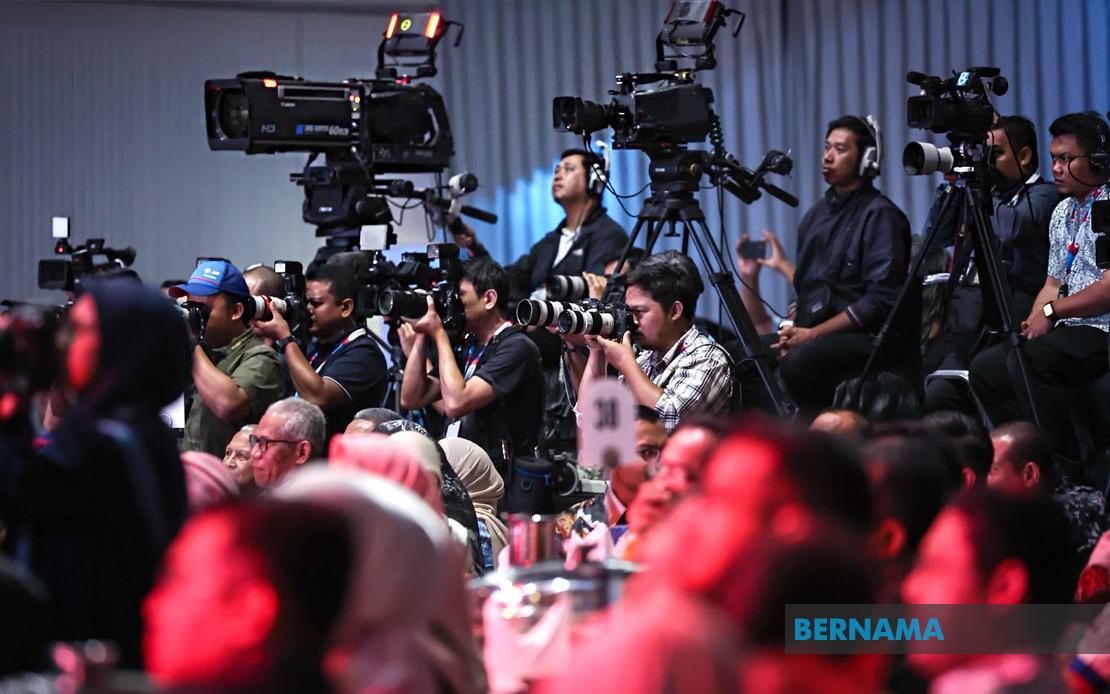
The Malaysian Media Council (MMM) has given its backing to Prime Minister Datuk Seri Anwar Ibrahim's directive establishing a formal process for handling complaints involving journalists from established news organisations. Under the framework supported by the Council, such grievances must first be submitted to MMM before any subsequent measures are pursued, a development the media body views as validation of its independent regulatory function and commitment to balanced, transparent procedures that protect both press freedom and professional accountability.
In articulating its position, MMM emphasised that the Prime Minister's endorsement represents a significant affirmation of the Council's standing as Malaysia's independent media self-regulator. The organisation points out that this recognition aligns with its core mandate to advance media liberty, elevate journalistic standards, enforce ethical conduct, and deliver complaints resolution through systematic, unbiased mechanisms. By directing complaints through MMM rather than allowing immediate action against journalists, the framework creates space for considered evaluation grounded in professional journalism principles rather than reactive or punitive responses.
The Council stressed an important conceptual distinction in its statement: MMM operates as a specialised self-regulatory institution, not as a substitute for courts or law enforcement. Its purpose centres on resolving disputes arising from journalistic practice, media ethics, reporting accuracy, rights of reply, corrections, inequitable treatment, and matters affecting the public interest through proportionate, professional channels. This positioning allows the media sector to maintain internal accountability mechanisms while respecting the broader legal system and governmental authorities responsible for matters beyond journalism practice.
MMM made clear that all journalists and media organisations remain bound by Malaysian law. However, the Council argues that complaints concerning journalistic work should not automatically trigger investigations or disciplinary action merely because they have been filed. Instead, proper procedure demands that such complaints undergo careful assessment that considers journalism's democratic role, its responsibilities to the public, and the specific context of the reported story. This protective measure guards against arbitrary pressure, unfounded investigations, and disproportionate punishment of journalists.
Simultaneously, the framework ensures that individuals and organisations harmed by media coverage retain meaningful access to legitimate remedies. The system provides structured pathways for members of the public, organisations, government bodies, and affected parties to lodge formal complaints with the Council. These complaints are initially screened by the Secretariat to establish whether they fall within MMM's jurisdiction and genuinely involve matters of journalism or media practice rather than other categories of dispute.
When appropriate, MMM forwards complaints to relevant media organisations requesting responses, clarifications, or corrective measures. Should the matter not be resolved at this preliminary stage, the case advances to comprehensive assessment against the Council's Code of Conduct and established journalistic principles. This graduated approach prevents minor or frivolous complaints from overwhelming the system while ensuring serious concerns receive proper attention through progressively rigorous review.
MMM has explicitly rejected characterisations of its role as shielding media from accountability. Rather, the Council frames its mechanism as ensuring that media responsibility operates through proper, independent, transparent, and balanced procedures. The statement articulates a vision where media freedom and media responsibility develop together as complementary rather than opposing forces, with both principles strengthened through professional oversight rather than weakened through unrestricted or unaccountable practice.
The Council's statement also addressed Malaysia's standing in international press freedom assessments, acknowledging the Prime Minister's remarks came amid concerns over the country's World Press Freedom Index ranking. This context matters for Malaysia's international standing and regional reputation as a democracy committed to fundamental freedoms. MMM called upon all stakeholders—government agencies, politicians, public institutions, civil society organisations, and citizens—to utilise the Council's complaints mechanism when disputes arise regarding media reporting, thereby channelling grievances through professional processes rather than public pressure, threats, harassment, or punitive action.
The broader implication of this framework reflects a maturation in how Malaysia's media sector addresses accountability. Rather than resolving disputes through confrontational approaches or governmental intervention, the emphasis shifts toward professional resolution culture. This positioning carries significance for Southeast Asia's media landscape, where many countries grapple with tensions between press freedom and governmental oversight. Malaysia's emphasis on industry self-regulation offers a potential middle path, though success depends on whether the system operates with genuine independence and rigorous fairness.
MMM concluded by reaffirming its commitment to collaborate with government, Parliament, media organisations, civil society, and the public to implement this approach effectively and independently. The Council's vision suggests that institutional confidence in journalism—and broader democratic health—improves when disputes are resolved through transparent professional channels rather than external pressure or legal coercion. For Malaysian readers and the regional media ecosystem, this development signals an attempt to reconcile legitimate accountability demands with press freedom protections through transparent processes designed to serve the public interest.

