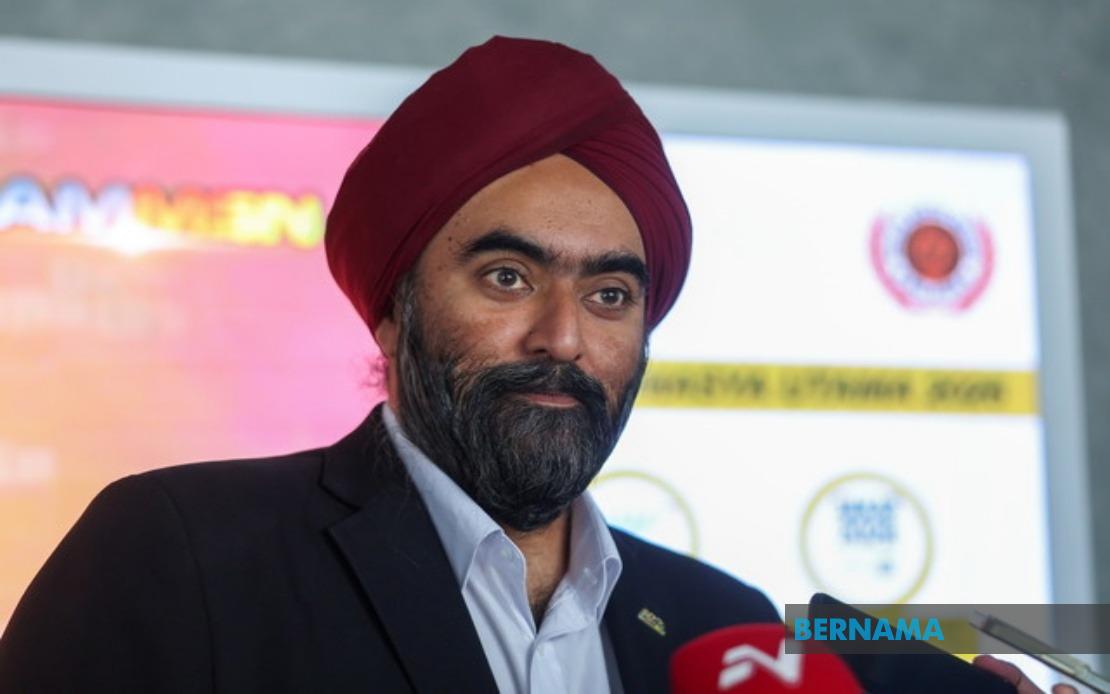
The Malaysian National Cycling Federation (MNCF) is pressing for an urgent meeting with Yayasan Sime Darby (YSD) to break the impasse surrounding the postponement of the YSD Track Cycling and BMX Series 2026. MNCF president Datuk Amarjit Singh Gill made the plea during the launch of the Le Tour de Langkawi 2026 route announcement in Putrajaya on Tuesday, signalling that both organisations need to convene at the highest decision-making levels to navigate the current stalemate and restore momentum to the talent development initiative.
The postponement represents a significant setback for Malaysia's cycling ecosystem, particularly for young athletes who depend on such competitive platforms to build their credentials and prepare for international representation. The YSD Track Cycling and BMX Series has been instrumental in identifying and nurturing promising riders, making the delay a concern for the sport's pipeline of talent. Amarjit's intervention underscores the gravity of the situation and the federation's commitment to finding a path forward despite the underlying tensions.
According to YSD's initial announcement, the postponement stemmed from several technical issues involving the MNCF. However, Amarjit's framing of the dispute suggests the disagreement may extend beyond purely administrative or logistical matters. His emphasis on "mutual respect" and recognition of "equal strategic partnership" hints at deeper questions about governance, decision-making authority, or resource allocation between the two organisations. The language chosen reflects a diplomatic approach aimed at depersonalising the conflict and redirecting focus to shared objectives in cycling development.
Amarjit made clear that the MNCF does not view the situation as insurmountable or mired in fundamental incompatibility. His assertion that the matter is "not complicated" signals confidence that substantive negotiations could produce rapid progress if both parties approach the table with goodwill. This measured tone contrasts with the severity of postponing a major racing calendar, suggesting the federation leadership is keen to preserve the relationship with YSD while addressing legitimate grievances.
The federation's openness to meet at any time underscores its desire to prevent further disruption to the cycling calendar and the athletes depending on these opportunities. In Malaysia's sporting landscape, where corporate partnerships like that between MNCF and YSD are vital sources of funding and organisation for grassroots and developmental programmes, the breakdown of such collaborations can have ripple effects across regional competitions and athlete development pathways. The timing is particularly sensitive given that 2026 is approaching and planning cycles for major events require stability.
YSD's role as a strategic partner reflects the broader reality that Malaysian sports federations often depend on private sector support to sustain programmes that would otherwise lack adequate funding through government channels alone. Yayasan Sime Darby's commitment to cycling has positioned it as a key stakeholder in the sport's growth trajectory, making the current friction a matter of concern not just for administrative reasons but for the entire cycling community that benefits from YSD's resources and platform.
Amarjit's insistence on respecting each partner's distinct roles suggests that part of the tension may relate to operational autonomy or influence over decision-making processes. In collaborative ventures between national federations and corporate entities, clarity about boundaries, responsibilities, and veto rights can be contentious. The federation's acknowledgment of YSD's contributions and commitment attempts to reset the tone and demonstrate that the MNCF values the partnership beyond the immediate dispute.
The postponement occurs against the backdrop of Malaysia's broader cycling ambitions, including the high-profile Le Tour de Langkawi, which continues to attract international teams and media attention. A thriving domestic track and BMX development series complements these flagship events by ensuring a steady stream of competitive cyclists with the technical skills and racing experience necessary to perform on larger stages. The gap created by the postponement risks disrupting this talent pipeline at a critical juncture.
For Malaysian readers and cycling enthusiasts, the resolution of this dispute carries implications beyond the immediate series. It signals whether the federation and its corporate partners can navigate disagreements constructively, a test case for the maturity and stability of Malaysian sports governance. Success in resolving this conflict through dialogue rather than protracted public disputes would strengthen confidence in cycling's institutional framework and set a positive precedent for future collaborations.
The federation's call for top-level discussions reflects standard protocol for resolving organisational disagreements, yet the very fact that such an appeal is necessary suggests previous lower-level discussions have stalled. Escalating to executive council representation on the MNCF side and senior management at YSD should provide both parties with greater authority to make concessions and commit to agreements. Amarjit's public pressure, delivered during a high-profile event, also serves to emphasise the urgency and importance of swift action.
Going forward, the resolution of this dispute will likely depend on both organisations' willingness to clarify expectations, renegotiate terms if necessary, and establish clearer communication channels. The cycling community will be watching closely to see whether the commitment to partnership translates into restored programmes and a strengthened relationship, or whether deeper structural issues emerge that require more fundamental restructuring of how federations and corporate sponsors collaborate in Malaysian sports.

