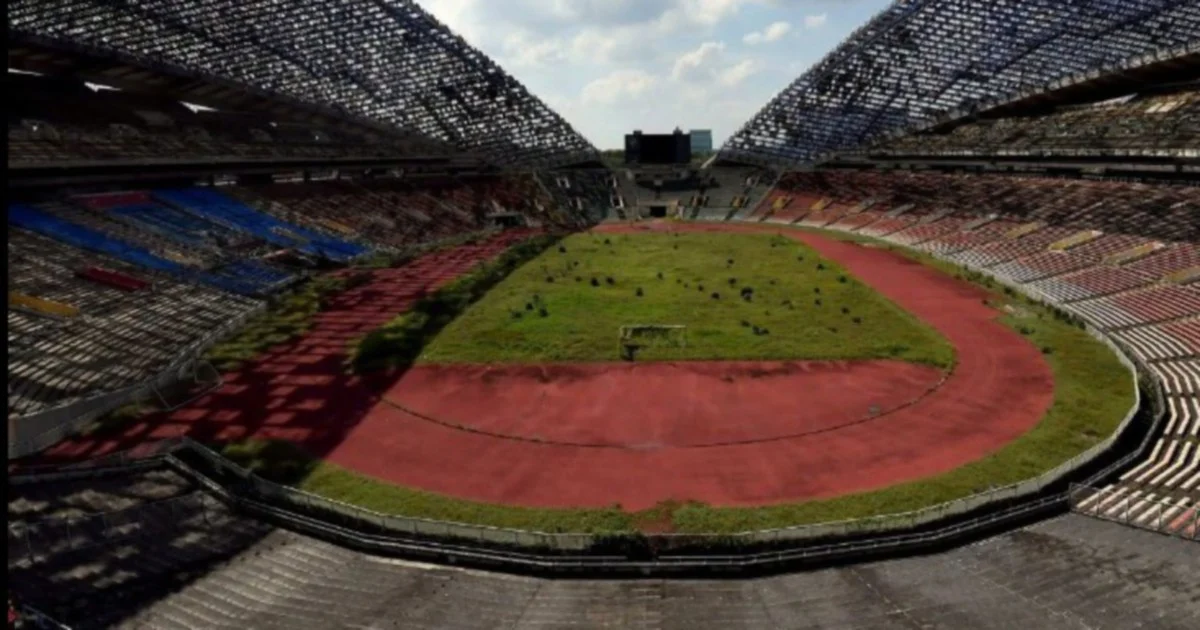
Malaysian Resources Corporation Bhd (MRCB) has successfully secured a consent judgment at the Shah Alam High Court against activist Abdul Razak Ismail in connection with online publications relating to the demolition and redevelopment of Shah Alam Stadium. The company brought the legal action after alleging that the online material had inflicted economic harm on its interests.
The consent judgment represents a significant legal victory for MRCB in managing its public reputation during a contentious infrastructure project. The stadium redevelopment has attracted public attention and scrutiny from various quarters, including civil society activists concerned about the implications of demolishing a long-standing sporting venue. The court order underscores the company's determination to address what it characterizes as damaging online commentary through the judicial system rather than through public discourse alone.
Abdul Razak Ismail, who has been vocal on social and political issues affecting Malaysia, had published content questioning various aspects of the stadium project. The activist's online presence and engagement on these matters had reached a considerable audience, prompting MRCB to pursue legal remedies. The consent judgment now restrains the further publication of similar material, representing a watershed moment in how corporations and activists interact in Malaysia's digital sphere.
The Shah Alam Stadium project itself has been subject to ongoing public debate since redevelopment plans were first announced. The original stadium, which served the Selangor community for decades as a venue for sports and public events, held cultural and historical significance beyond its functional role. The transformation of this public asset into a new development raises questions about urban planning priorities, public consultation processes, and the balance between modernization and heritage preservation that resonate across Southeast Asia.
MRCB's legal action illustrates broader tensions between corporate development interests and public accountability in Malaysia. While companies have legitimate rights to protect their reputation and business interests, the reliance on court orders to silence criticism raises questions about the space for public debate on major infrastructure projects. The consent judgment may effectively chill open discussion about the stadium development among some segments of the public who fear legal consequences for expressing concerns.
The case also reflects the evolving landscape of online activism and digital expression in Malaysia. Activists and concerned citizens increasingly turn to social media and online platforms to raise awareness and mobilize support for causes they believe in. When corporations respond with legal action, it creates a power asymmetry that can disadvantage individuals lacking substantial financial resources to mount a legal defense. The consent judgment sends a message about the potential costs of public criticism, which may discourage similar activism in future projects.
From a governance perspective, the case highlights the importance of how major public projects are managed and communicated. When redevelopment decisions are perceived as lacking sufficient public consultation or transparency, they create space for criticism and skepticism. Companies undertaking significant urban transformation projects might find that investing in clearer communication and stakeholder engagement reduces the likelihood of becoming targets of activist campaigns that subsequently require costly legal interventions.
The implications extend beyond MRCB and the Shah Alam Stadium specifically. Other developers and corporations facing public criticism of their projects may view this outcome as a template for legal recourse. This could establish a precedent encouraging similar consent judgments against online critics, potentially reshaping the dynamics between corporate entities and civil society in Malaysia. The judiciary's role in mediating these disputes will be closely watched by both corporate interests and activists alike.
For Malaysian readers and Southeast Asian observers, the case exemplifies contemporary challenges in reconciling development imperatives with public participation and accountability. Rapid urbanization and infrastructure transformation are defining features of the region's growth, yet they often proceed with limited genuine consultation of affected communities. When grievances find expression through online activism, the legal response adopted here demonstrates one approach to conflict resolution, though questions remain about whether it addresses underlying concerns or merely suppresses their expression.
The consent judgment does not necessarily resolve the substantive issues surrounding the stadium project. While the court order may restrict Abdul Razak Ismail's ability to continue publishing critical material, the underlying questions about the redevelopment's necessity, design, and impact remain unaddressed. This suggests that MRCB and relevant authorities might benefit from more proactive engagement with public concerns, creating legitimate channels for dialogue that could prevent disputes from escalating to litigation in future instances.
Looking forward, the case may prompt civil society organizations and concerned citizens to adopt different strategies for advocacy and engagement with corporate projects. Some may become more cautious in their public statements, while others might intensify efforts to document and publicize concerns before legal action is threatened. The outcome ultimately reflects the current balance of power and legal frameworks governing corporate accountability and public speech in Malaysia, factors that will likely continue evolving as digital activism becomes increasingly central to social movements across the region.

