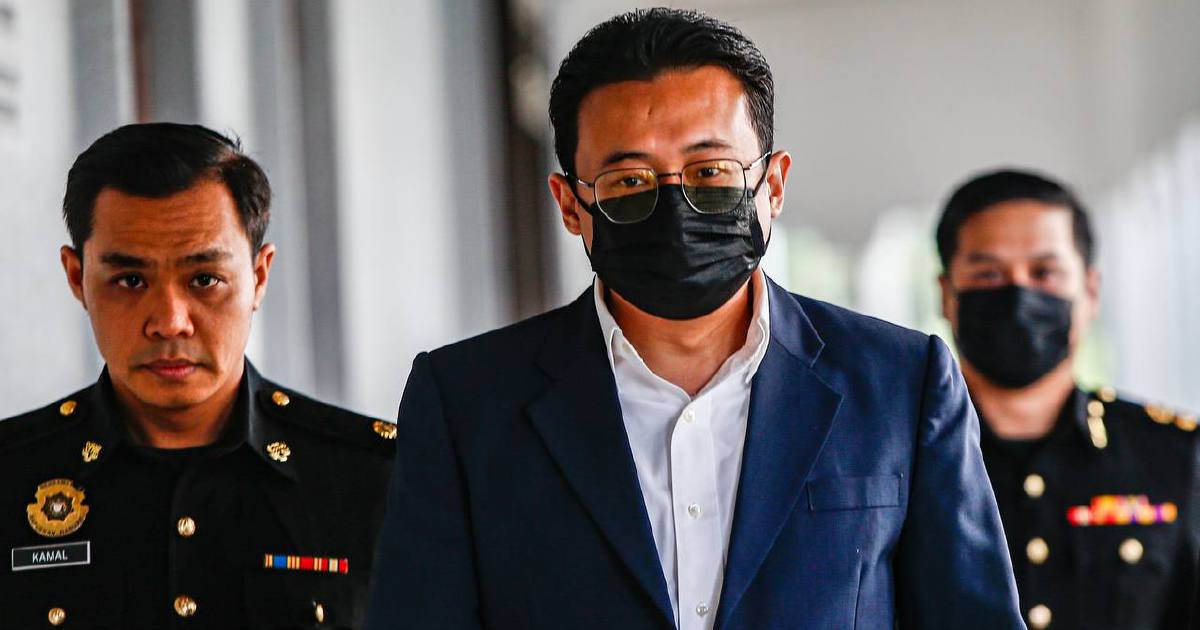
The chief executive officer of Malaysia Stadium Corporation entered a not guilty plea at the Sessions Court in Kuala Lumpur today, facing seven separate charges of soliciting and receiving bribes exceeding RM1 million. The accusations centre on his alleged conduct in directing a major contract to upgrade the National Squash Centre, one of the country's premier sporting facilities and a venue integral to Malaysia's competitive squash programme.
These legal proceedings represent a significant development in Malaysia's ongoing anti-corruption enforcement efforts. The charges underscore persistent concerns about governance standards within organisations managing public sporting infrastructure, particularly when large-scale renovation and upgrade projects are involved. The National Squash Centre holds considerable strategic importance in Malaysian sports policy, having hosted numerous regional and international tournaments and serving as a training hub for the nation's elite squash athletes.
The bribery allegations arise from the tender process for the facility's upgrading work. In such projects, the stakes are typically substantial, involving millions of ringgit in contracts and multiple bidding parties competing for government-backed work. The scale of the alleged inducements—surpassing RM1 million—reflects the significant financial dimensions of the disputed contract and the considerable leverage that control over such tenders can represent for senior executives responsible for contract allocation.
Malaysia Stadium Corporation operates several major sporting venues across the country and holds considerable responsibility for managing national sports infrastructure. The organisation's governance framework and the conduct of its leadership carry implications extending beyond individual cases, affecting public confidence in how sporting institutions are administered and how tender processes are safeguarded. The allegations, if substantiated, would reveal serious gaps in internal controls and accountability mechanisms.
The not guilty plea signals that the defence will contest the prosecution's allegations comprehensively. Legal observers note that bribery prosecutions involving corporate executives frequently hinge on establishing clear chains of communication, financial transactions, and explicit agreements between the accused and those offering inducements. The burden remains on prosecutors to demonstrate the requisite intent and direct connection between alleged payments and the specific tender award decision.
These proceedings emerge within a broader regional context of enhanced scrutiny on public procurement and infrastructure spending. Across Southeast Asia, governments have intensified efforts to combat corruption in tender processes, recognising that such illicit activity inflates project costs, compromises quality outcomes, and erodes public trust in institutions. Malaysia's anti-corruption agencies have pursued increasingly high-profile cases targeting senior officials and corporate figures, signalling heightened enforcement commitment.
The implications for Malaysia's sporting sector merit particular attention. International sports federations and event organisers increasingly scrutinise governance standards when allocating tournaments or support to nations and institutions. Corruption allegations affecting major sporting facilities can reputationally damage a nation's competitive bidding for international sporting events and undermine the integrity of athlete selection and facility development processes that should remain merit-based.
For the Malaysia Stadium Corporation itself, this case will inevitably prompt internal reviews of procurement procedures and governance arrangements. Institutional responses to such allegations—whether through enhanced internal audit functions, clearer segregation of duties in contract approval, or stronger whistleblower mechanisms—often determine how effectively organisations can restore stakeholder confidence following corruption-related incidents.
The trial proceedings will likely extend over several months, with the court hearing evidence from prosecution witnesses, examining documentary records of the tender process, and scrutinising the flow of alleged payments. The complexity of financial tracing and the need to establish motive and deliberate agreement between parties typically characterises drawn-out corruption trials of this nature.
For Malaysian readers and regional observers, the case exemplifies how anti-corruption frameworks increasingly target leadership of publicly-funded organisations managing valuable assets. The outcome will send signals about enforcement priorities and the practical consequences faced by senior executives accused of leveraging their positions for personal gain. Whether conviction follows or the accused is exonerated, the judicial process itself reinforces the principle that no position shields individuals from accountability.
This matter also reflects evolving sophistication in how Malaysia's anti-corruption agencies investigate complex financial crimes, building cases against well-resourced defendants capable of mounting rigorous legal defences. The successful prosecution or defence of such cases depends substantially on forensic financial analysis, witness credibility, and documentary evidence establishing the explicit quid pro quo arrangements that define bribery offences.

