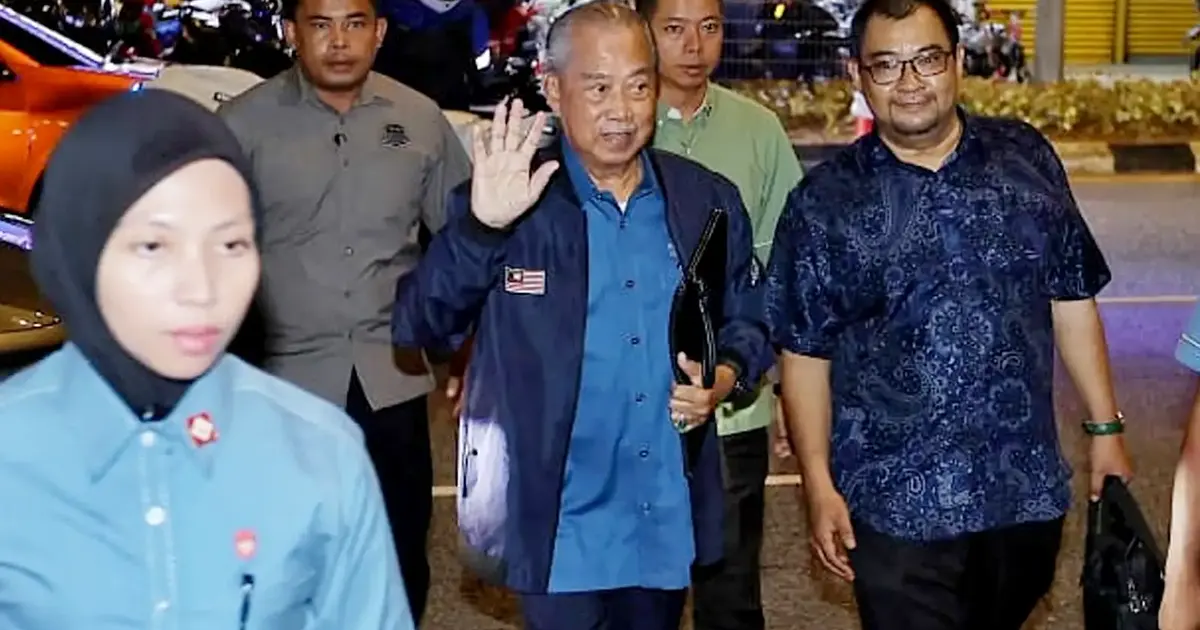
An emergency convocation of Perikatan Nasional (PN) senior figures, led by Tan Sri Muhyiddin Yassin, assembled tonight to confront an acute political crisis threatening the viability of the opposition coalition. The hastily organised meeting underscores the gravity of structural instability within PN, particularly regarding Bersatu's continued relevance within a partnership that has been progressively weakened by internal discord and shifting allegiances among component parties.
The primary agenda item centres on Bersatu's role and standing within the broader PN framework, a question rendered urgent by PAS's recent decision to formally terminate its collaborative relationship with the party. This rupture represents far more than a routine disagreement between coalition partners—it signals a fundamental realignment of political forces that could reshape the opposition landscape across Malaysia. PAS's departure removes a crucial pillar from what was envisioned as a united challenge to the incumbent governing coalition, leaving questions about whether PN can function effectively as a coherent political entity.
Bersatu's predicament reflects its precarious positioning within Malaysian opposition politics. Founded by Muhyiddin himself following his exit from UMNO, the party has long struggled to establish a secure electoral foundation while attempting to bridge ideological differences between conservative Islamic movements and secular-leaning opponents of the government. The defection of such a significant partner as PAS exposes these vulnerabilities starkly, as the Islamic party clearly determined that its interests are better served by pursuing an independent political course rather than maintaining an uncomfortable coalition arrangement.
The breakdown between PAS and Bersatu carries substantial implications for the broader coalition architecture. PAS brings organizational capacity, particularly in rural constituencies across northern and east coast peninsular Malaysia, along with a distinctive electoral base rooted in religious conservatism. Bersatu, by contrast, commands considerable parliamentary representation and nominal party machinery, yet has struggled to establish independent grassroots credibility. The severance of formal ties means both parties forfeit potential synergies that could have enhanced their collective competitiveness during general elections.
Muhyiddin's decision to convene this emergency session suggests an attempt to salvage PN's remaining cohesion and determine viable strategic options in the face of organizational fragmentation. The gathering likely encompasses not merely damage control but fundamental recalibration of the coalition's operational framework and electoral strategy. Whether PN can crystallise a compelling alternative political proposition without PAS remains deeply uncertain, particularly given prevailing public perceptions of the coalition as internally divided and strategically unfocused.
For Malaysian observers monitoring opposition politics, this escalating turbulence within PN constitutes a significant development with potential ramifications extending well beyond immediate parliamentary mathematics. The coalition's instability potentially benefits the ruling establishment by fragmenting opposition forces and complicating any unified challenge to government policy initiatives. Additionally, the political uncertainty introduces variables that foreign investors and international observers typically view unfavourably, as sustained instability in major opposition blocs can undermine predictability in Malaysia's political economy.
The regional dimension warrants consideration as well. Southeast Asian analysts tracking Malaysian politics recognise that a weakened, internally fractious opposition may limit capacity for effective legislative oversight and policy debate, potentially affecting Malaysia's diplomatic standing and its ability to articulate coherent positions on regional issues requiring consensus across political divides. Opposition coalitions functioning with reasonable internal discipline typically serve as counterweights that enhance overall democratic deliberation, even when they lack governing mandate.
Bersatu's leadership now confronts acute strategic choices as it contemplates whether to persist in attempting to rebuild PN, to engage in individual negotiations with other opposition fragments, or to pursue some accommodation with elements of the current governing coalition. Each pathway entails substantial political costs and risks to party credibility among its existing base. The party's uncertain trajectory reflects broader challenges facing Malaysian opposition forces more generally—the difficulty of maintaining durable coalitions across parties with fundamentally divergent ideological orientations and electoral bases.
This emergency meeting occurs against the backdrop of mounting pressure on Malaysia's political institutions generally. The proliferation of coalition arrangements and counterarrangements, while reflecting democratic dynamism, also risks undermining governmental stability and public confidence in political institutions if upheaval and reconfiguration become perpetual features of the landscape. Tonight's PN gathering represents another chapter in an increasingly volatile process of realignment that will continue shaping Malaysian electoral competition and parliamentary dynamics for the foreseeable future.