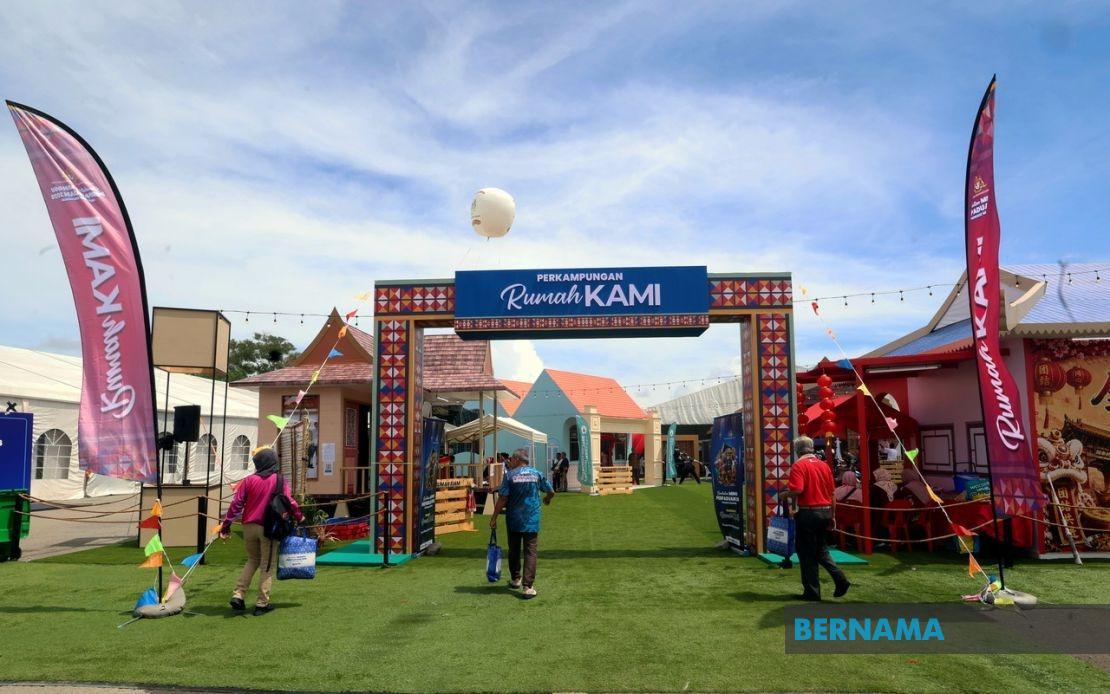
The National Unity Week 2026 celebration in Kota Kinabalu achieved a historic milestone as the four-day event from June 11 to 14 welcomed 284,448 visitors, marking the highest attendance since the programme's debut in 2023. National Unity Minister Datuk Aaron Ago Dagang attributed the exceptional turnout to what he characterised as a deepening public recognition of Malaysia's rich cultural tapestry and the role diversity plays in fostering national cohesion.
The unprecedented interest underscores a significant shift in how Malaysians are engaging with initiatives designed to promote intercommunal understanding. Rather than viewing cultural celebration as a peripheral concern, the crowds suggest that citizens increasingly recognise the link between appreciation of different traditions and the strength of social bonds. This perception aligns with the broader policy direction of the MADANI Government, which has positioned national unity as central to its governance philosophy, seeking to build consensus around a shared national identity that transcends conventional boundaries of ethnicity, faith and geography.
Three major attractions dominated visitor engagement throughout the event. The Ethnic Village proved particularly compelling, offering immersive displays of how Malaysia's principal communities conduct their daily lives, allowing visitors to observe authentic cultural practices and traditions. This experiential approach appears more effective than static displays, suggesting that people prefer interactive learning that connects them emotionally to diverse ways of living within a single nation.
Equally popular was the Ethnic Houses exhibition, which dedicated distinct spaces to communities including the Bajau, Melanau, Banjar, Kedayan and Portuguese populations. By isolating each community's architectural and heritage characteristics, the exhibition highlighted the specificity of different traditions while simultaneously illustrating how these distinct identities coexist within Malaysia's broader national framework. The approach respects particularity whilst reinforcing unity—a delicate balance that clearly resonated with the visiting public.
The Negara Bangsa and Raja Kita Exhibition captured particular enthusiasm among younger attendees, indicating that structured engagement with national history proves effective in building patriotic sentiment among the next generation. This is significant for long-term social cohesion, as younger citizens who develop positive associations with Malaysia's multicultural heritage are more likely to become advocates for unity throughout their lives.
Datuk Aaron Ago Dagang emphasised that the ministry views this event not as a culmination but as a foundation for sustained engagement. He acknowledged that meaningful national integration cannot emerge from isolated programmes, no matter how well-attended. Instead, he argued that genuine unity requires persistent, multigenerational commitment—a recognition that social cohesion is a continuous process rather than a destination.
This strategic perspective carries implications for how the government conceptualises national building. Rather than expecting single interventions to transform public sentiment, the ministry's approach acknowledges that cultural appreciation develops through repeated exposure, reinforcement through education, and opportunities for direct interaction. Such thinking reflects lessons learned elsewhere in the region and globally, where efforts to build inclusive societies have proven most durable when embedded in institutional structures and recurring public engagement rather than episodic campaigns.
The ministry has committed to continuing the National Unity Week as an annual fixture on the national calendar, effectively institutionalising what began as a pilot initiative. This decision reflects confidence in the programme's capacity to build the desired outcomes and recognition that public appetite for such events remains strong. The transformation from experimental programme to established tradition signals official commitment to investing in intercommunal understanding as a governance priority.
Government officials have framed unity-building as a shared responsibility extending beyond state institutions. Datuk Aaron Ago Dagang explicitly called upon the private sector, civil society organisations and individual citizens to contribute to the broader goal of creating a harmonious nation. This distributed accountability model recognises that state capacity alone cannot generate genuine social cohesion; rather, multiple actors across different sectors must align their efforts toward common objectives.
For Malaysia, which has navigated questions of identity, integration and social harmony throughout its post-independence history, the strong public response to this event offers encouraging signals. The record attendance suggests that ordinary Malaysians remain interested in understanding their fellow citizens across lines of difference, and that structured opportunities to engage with diverse cultures generate genuine enthusiasm rather than obligatory participation.
Looking ahead, the challenge for policymakers lies in converting this demonstrated interest into sustained behavioural change and deeper integration at the community level. While large-scale events create visibility and generate positive sentiment, the translation of temporary good feeling into durable social bonds requires complementary efforts in education, employment, housing and other domains where Malaysians from different backgrounds genuinely interact as equals.
The Ministry of National Unity's commitment to expanding future iterations of National Unity Week, coupled with its recognition that integration demands comprehensive, ongoing effort, suggests an institutional approach grounded in realistic assessment of what such initiatives can achieve. By viewing the event as one component within a larger ecosystem of unity-building measures rather than as a comprehensive solution, the government may have positioned itself to generate more substantial and lasting outcomes.

