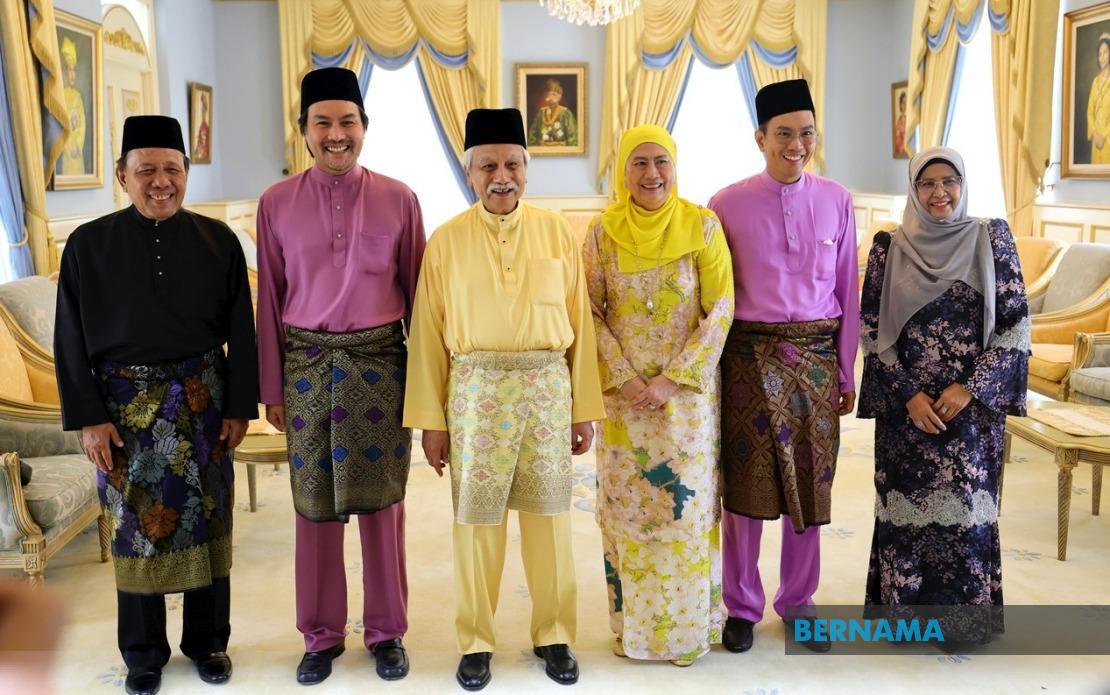
Newly appointed Menteri Besar Datuk Ismail Lasim has signalled that Negeri Sembilan's executive council composition will be resolved by the end of this week, marking a swift transition to full government formation following the state election. Speaking at his first press conference after being sworn in at Istana Besar Seri Menanti, Ismail committed to completing the cabinet announcement within days, though he acknowledged that finalising all details depends on obtaining sign-off from the Yang Dipertuan Besar Tuanku Muhriz Tuanku Munawir, who is keen to see the matter settled promptly.
The timeline reflects the urgency felt across the political landscape to establish a functioning state administration. With the recent state election delivering Barisan Nasional 18 seats and Perikatan Nasional seven seats in the 36-member assembly—comfortably exceeding the 19-seat majority threshold—both coalitions are positioned to govern together. However, translating electoral success into an operational cabinet requires careful negotiation over ministerial appointments and portfolio allocations, processes that Ismail is now navigating with multiple stakeholders.
Ismail indicated that internal party consultations must precede any formal announcement to the ruler. He plans to engage with UMNO president Datuk Seri Dr Ahmad Zahid Hamidi to solicit views on the overall composition of the executive council, particularly regarding whether state assemblymen from Perikatan Nasional should receive cabinet positions. This consultation underscores the delicate balance required when governing as a coalition, where both partners expect meaningful representation in executive roles.
Regarding the size of the cabinet itself, Ismail suggested that maintaining the traditional 10-member structure would serve Negeri Sembilan's administrative needs most effectively, though he stressed this remains subject to final approval. This preference for continuity in cabinet size reflects a pragmatic approach to governance, avoiding the distraction of restructuring while focusing on substantive policy priorities. The composition question remains more contentious, as determining how many seats, if any, should go to Perikatan Nasional representatives will influence the internal balance of power within the executive council.
The inclusion of Perikatan Nasional members in the cabinet lineup represents a significant consideration for Ismail and UMNO leadership. While the two coalitions secured commanding control of the state assembly together, PN's seven seats give it leverage in coalition negotiations. Ismail's stated intention to discuss this possibility directly with Ahmad Zahid suggests that UMNO, as the larger partner and traditional dominant force in Barisan Nasional, will ultimately determine how far to extend olive branches to PN members within the state cabinet structure.
Ismail's emphasis on consulting with component parties within Barisan Nasional—specifically mentioning MCA and MIC alongside UMNO—indicates that cabinet formation must satisfy multiple stakeholders within the coalition. These discussions reflect the complexity of managing consensus across parties with distinct interests and representation bases. By explicitly acknowledging all three BN component parties, Ismail is signalling that appointments will be determined through proper coalition channels rather than through unilateral UMNO decisions, a procedural nod that carries political weight.
The new Menteri Besar, representing the Juasseh state seat, has framed cabinet formation within a broader commitment to governance priorities. He emphasised that the welfare and well-being of Negeri Sembilan's populace will anchor the state administration's agenda, positioning the cabinet work as merely the institutional framework supporting substantive policy objectives. This messaging helps deflect attention from the admittedly complex negotiations happening behind closed doors, redirecting public focus toward outcomes that matter to ordinary residents.
The election results conferring a two-thirds majority to the BN-PN coalition provide Ismail with a strong mandate and substantial legislative capacity to enact policies. With 25 seats out of 36, the governing coalitions can pass legislation without opposition support and have room to absorb any defections or absences. This supermajority status paradoxically makes cabinet negotiations more straightforward in some respects, as neither coalition needs opposition votes, but it also increases internal pressure as each partner seeks maximum influence within government structures.
For Malaysian observers, the Negeri Sembilan cabinet formation illustrates broader patterns in coalition governance that affect how the country operates at state level. The interplay between Barisan Nasional and Perikatan Nasional, the role of UMNO as gatekeeper for cabinet appointments, and the consultation protocols with both component parties and the royal institution all reveal how power distribution works in Malaysian federalism. As other states grapple with similar coalition arrangements, Negeri Sembilan's approach may set precedents for balancing partner interests while maintaining effective administration.
The Friday deadline Ismail has publicly committed to carries political weight, as missing it would invite questions about governance competence or internal coalition friction. By setting this specific timeline and anchoring it in consultation with established institutions—the ruler, party leadership, and component parties—Ismail has created accountability for himself while signalling respect for constitutional protocols. This procedural emphasis matters in Malaysian politics, where adherence to formal processes, particularly those involving the royal institution, carries substantial political and cultural significance.
Looking ahead, the speed with which Ismail resolves cabinet appointments will shape early perceptions of his leadership. A smooth, timely announcement would suggest effective negotiation skills and coalition cohesion, while delays might raise concerns about internal disagreements or challenges in managing multiple stakeholders. For Negeri Sembilan residents and businesses awaiting clarity on the new administration's direction, the finalisation of the cabinet represents an important step toward stable governance and visible progress on policy priorities during the critical early months of any new state government.

