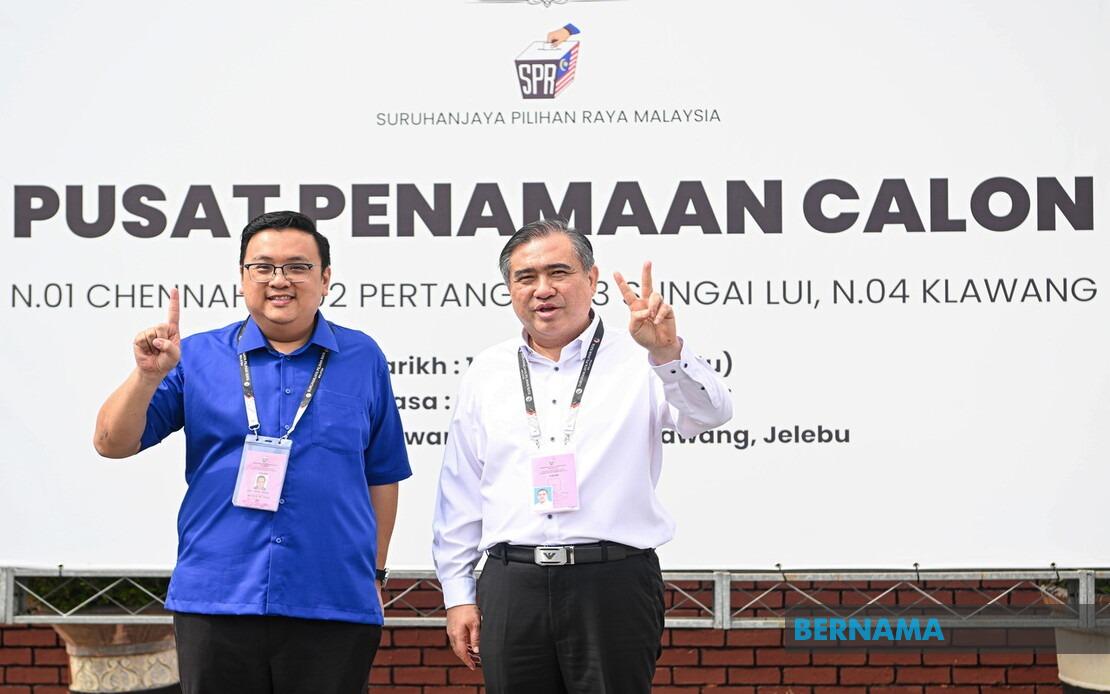
The fragmentation evident in Negeri Sembilan's contest structure reflects a broader Southeast Asian trend whereby single-bloc dominance is giving way to more dispersed political competition. Malaysia's experience, where federal coalitions are now being challenged at state level by ideologically varied competitors and independent candidates, mirrors patterns observed in neighbouring countries. For media observers and political analysts tracking developments across the region, the Negeri Sembilan election offers valuable insights into how traditional party structures are adapting—or failing to adapt—to new forms of political entrepreneurship and voter volatility in an era of weakening party loyalty.
Negeri Sembilan Election Set to Feature Highly Fragmented Contests as Multi-Cornered Races Surge
Negeri Sembilan's August 1 state election reveals a fragmented political landscape, with three-cornered contests tripling to 21 seats while straight fights plummet to 11. Two constituencies will see unprecedented five-way battles.