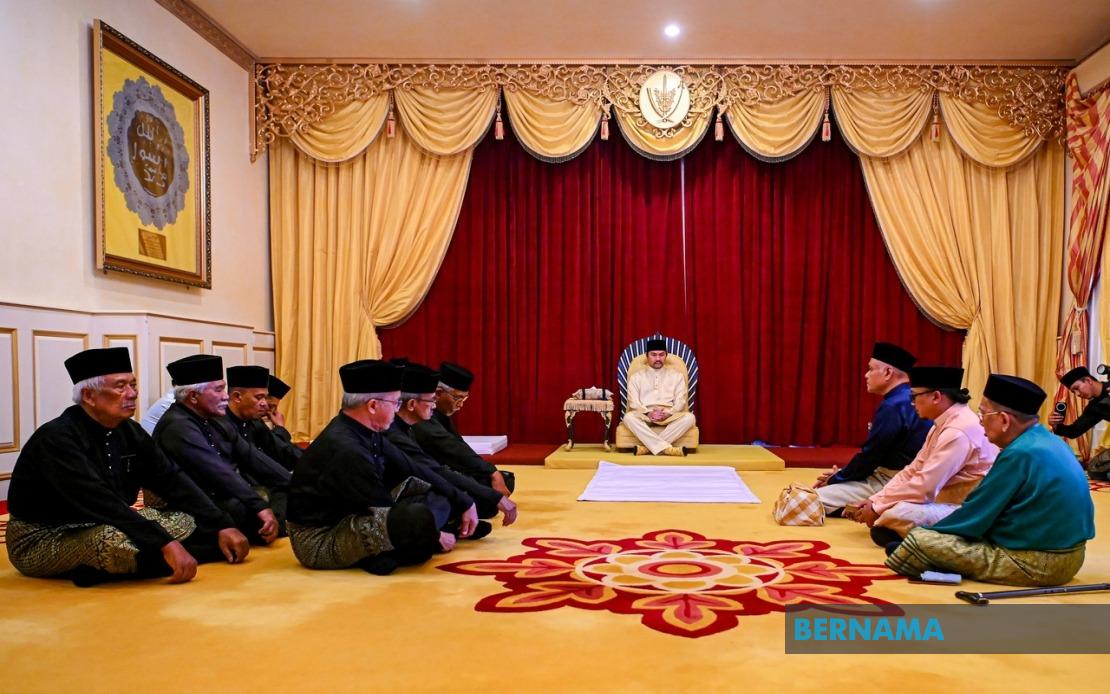
Negeri Sembilan's Yang Dipertuan Besar, Tuanku Muhriz Tuanku Munawir, has granted approval for a royal ceremony at Istana Besar Seri Menanti in Kuala Pilah to formally recognise the appointment of the state's new customary leader for Luak Sungei Ujong. The decision came through an official announcement by Tunku Besar Seri Menanti Tunku Ali Redhauddin Tuanku Muhriz, who conveyed his father's consent during an audience with the adat leaders and delegates of the district.
The formal installation ceremony, known as Istiadat Menghadap Menjunjung Duli Bagi Menyempurnakan Kejadian Undang Luak Sungei Ujong, is scheduled for Saturday morning. This represents a significant moment in Negeri Sembilan's constitutional and traditional governance framework, as the undang holds considerable influence over customary affairs and community matters within the luak, or traditional administrative division. The approval signals the smooth progression of a succession process that began with the departure of the previous office holder.
Muhammad Faris Johari, aged 29, has been selected as the 11th Undang of Luak Sungei Ujong following a selection process conducted by the Buapak customary council assembly. According to Waris Negeri Sungei Ujong Datuk Sinda Maharaja Razlan Hamid, the Johari appointment adheres strictly to the customary practices and traditions that have governed such selections within the luak for generations. The choice emerged from consultations among the adat leaders and representatives who form the traditional governing structures responsible for preserving and administering the customary laws specific to this district.
This succession follows the formal dismissal of Datuk Klana Petra Datuk Mubarak Dohak, who previously held the position as the 10th Undang of Luak Sungei Ujong. The Dewan Keadilan dan Undang, Negeri Sembilan's justice and customary court body, accepted the removal through formal proceedings. The dismissal was finalised during a special sitting convened at Istana Besar Seri Menanti and presided over by Tuanku Muhriz himself, emphasising the gravity with which the state's highest leadership treats such matters of traditional governance.
Menteri Besar Datuk Seri Aminuddin Harun confirmed that the special sitting took place and resulted in the formal acceptance of Dohak's dismissal. The involvement of the chief minister in these customary proceedings underscores how Negeri Sembilan's state government works in conjunction with the traditional adat system rather than operating entirely separately from it. This interplay between constitutional governance and customary law is distinctive to Negeri Sembilan, which has long maintained a particularly robust system of adat administration compared to other Malaysian states.
The undang position carries historical weight in Negeri Sembilan's political architecture. The state is known for its matrilineal inheritance customs and its unique constitutional framework, where the Yang Dipertuan Besar is elected by the council of chiefs rather than inheriting the position by birth. The undang serves as a custodian of these traditions and plays a crucial role in dispute resolution, land matters, and the application of customary law within their respective luak. The appointment of a relatively young person such as Johari suggests a potential shift towards bringing younger perspectives into these traditionally important positions.
The Tunku Besar's statement indicated that discussions regarding specific ceremonial procedures and preparatory arrangements would be conducted between the adat leaders and the Orang Empat Istana, a group of four senior palace officials who serve advisory roles. This delegation of logistical matters to specialist administrators allows the substantive adat elements to remain within the jurisdiction of the customary councils while ensuring that the royal aspects of the ceremony receive appropriate attention and protocol.
Interestingly, a separate royal audience ceremony is also scheduled for Saturday morning to formalise the installation of the 22nd Undang of Luak Rembau, another significant luak within Negeri Sembilan. Tuanku Muhriz granted similar approval for this ceremony, indicating that multiple customary successions are being processed through the formal royal recognition system simultaneously. This clustering of installations suggests either a planned succession planning process or perhaps expiring tenures that have occurred in close succession.
For Malaysian observers, particularly those interested in constitutional law and traditional governance systems, these developments highlight how state monarchies continue to play substantive roles in preserving and formalising customary institutions. Unlike federal-level constitutional arrangements where the Yang Dipertuan Agong's powers are largely ceremonial, state rulers in Negeri Sembilan retain genuine authority over adat matters. The explicit royal consent and formal ceremony requirements underscore that these are not mere administrative appointments but rather constitutionally significant transitions that require the highest levels of state recognition and blessing.
The process also demonstrates the resilience of Malaysia's customary legal systems in the modern era. Despite decades of centralised governance and federal law expansion, states like Negeri Sembilan have maintained parallel structures for managing community affairs according to traditional principles. The involvement of younger appointees suggests these systems are adapting to ensure continued relevance and legitimacy among newer generations who might otherwise view them as obsolete.
The formal ceremony on Saturday will bring together the various stakeholders in Negeri Sembilan's governance ecosystem: the royal household, the customary councils, state government officials, and community representatives. The public nature of the royal audience, indicated by the announcement itself, reflects a commitment to transparency about customary succession processes. This openness contrasts with historical periods when such matters might have been conducted entirely behind palace walls without public announcement.

