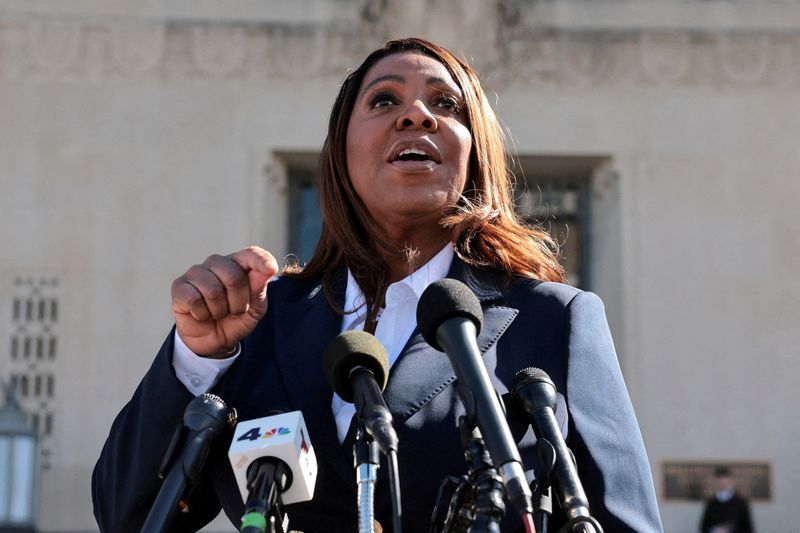
A Manhattan court has rejected Zelle's attempt to escape legal scrutiny over its handling of widespread fraud on its payment platform. Justice Phaedra Perry-Bond ruled on Tuesday that New York Attorney General Letitia James has presented sufficient evidence to proceed with her case against the electronic payment service, which is owned by a consortium of seven major American banks including JPMorgan Chase, Bank of America, and Wells Fargo through parent company Early Warning Services.
The judge found merit in James's central allegation: that Zelle deliberately chose market expansion and user convenience over implementing the fraud-prevention measures that banking partners had recommended. According to the court's assessment, the platform rushed to launch and scale operations despite internal objections from its own financial institution owners, prioritizing accessibility and market dominance at the direct expense of consumer protection. This characterization challenges Zelle's self-presentation as a trustworthy service backed by legitimate banking institutions.
For Malaysian readers and regional fintech observers, this development carries particular significance. Southeast Asia's rapid digital payment adoption mirrors Zelle's growth trajectory in the United States, and regulators across the region have watched similar disputes unfold. The court's decision suggests that platforms cannot simply invoke their banking partnerships as liability shields when those same partners raised concerns that went unheeded. This principle may influence how Malaysian regulators, including Bank Negara Malaysia, evaluate safety standards for emerging payment technologies.
The judge also identified a troubling contradiction in Zelle's operations: the platform continues to collect and retain fees generated from fraudulent transactions, raising fundamental questions about implicit complicity. This arrangement creates perverse incentives where the company profits regardless of whether transfers involve legitimate commerce or criminal activity. The court suggested this practice warrants serious scrutiny regarding whether Zelle knew or should have known about the fraudulent nature of certain transactions.
Marketing claims posed another focus of James's case. Zelle promoted itself using language such as "peace of mind" and advertising that the service was "backed by the banks, so you know it's secure." These statements, the attorney general argues, misrepresented the actual level of consumer protection available on the platform. The judge's decision to allow the case to proceed indicates the court found these marketing assertions potentially deceptive given Zelle's acknowledged gaps in fraud prevention.
Zelle launched in 2017 and has grown to compete directly with PayPal's Venmo and Block's Cash App in the crowded peer-to-peer payment space. The platform's business model depends on rapid user acquisition and transaction volume. By 2023, however, mounting pressure from federal regulators and congressional scrutiny finally prompted Zelle to implement safeguards that it had proposed internally four years earlier. This four-year delay between identifying necessary protections and actually deploying them forms the crux of James's argument about institutional negligence.
The specific fraud patterns affecting Zelle users reveal the platform's vulnerability to organized criminal tactics. James documented cases where attackers compromised user accounts and executed unauthorized transfers, schemes involving fraudsters posing as banks or government agencies to coerce users into sending money, and elaborate con artists offering nonexistent goods and services. These attack vectors are not novel or unexpected—they represent well-documented fraud methods that any serious payment platform should anticipate and defend against.
Government pressure ultimately catalyzed action. The U.S. Consumer Financial Protection Bureau (CFPB) conducted its own investigation into Zelle's practices, and multiple congressional offices launched parallel probes. Only after facing this regulatory heat did Zelle adopt the basic safety measures it could have implemented years earlier. Notably, the CFPB dropped its similar enforcement case in March 2025, shortly after U.S. President Donald Trump commenced his second term, suggesting a shift in federal enforcement priorities that has led James to pursue the matter at the state level.
Zelle's response to the court ruling dismissed James's allegations as politically motivated and claimed the company recycles rejected arguments. A company spokesperson, Eric Blankenbaker, stated that fraud reports among Zelle users "have always been exceptionally low," effectively contesting the notion that billions in losses actually occurred. However, this characterization contradicts extensive media documentation and consumer complaints about Zelle fraud, which have been widespread enough to trigger regulatory investigation. The company maintains that marketing the platform as safe and secure constituted non-misleading commercial speech, and that failing to implement certain safeguards does not constitute active wrongdoing deserving liability.
For Southeast Asian regulators and fintech companies, the case demonstrates that courts increasingly scrutinize whether payment platforms can hide behind technical arguments about the distinction between active harm and passive negligence. The judge's willingness to let James's case proceed signals judicial skepticism toward claims that companies bear no responsibility when they knowingly refrain from deploying available protective measures. Early Warning Services' ownership by major banks also complicates Zelle's defense, since those banks themselves presumably understand and can implement rigorous fraud controls.
The lawsuit now advances to substantive legal proceedings where James must prove her allegations and Zelle can mount its full defense. However, the initial judicial rejection of Zelle's dismissal motion represents a meaningful victory for the plaintiff and potentially influences how other jurisdictions approach comparable disputes. Regional payment platforms facing similar scrutiny may now face higher barriers to achieving early case dismissal on these grounds.
This matter also reflects broader tensions within the American financial system about responsibility allocation. When a payment service is owned by traditional banks yet operates with less stringent controls than those institutions typically maintain, liability questions become complex. The outcome could reshape expectations for how fintech ventures—whether owned by incumbent financial institutions or operating independently—must balance growth imperatives against demonstrable safety requirements, a calculation with profound implications across Asia's developing payment ecosystems.

