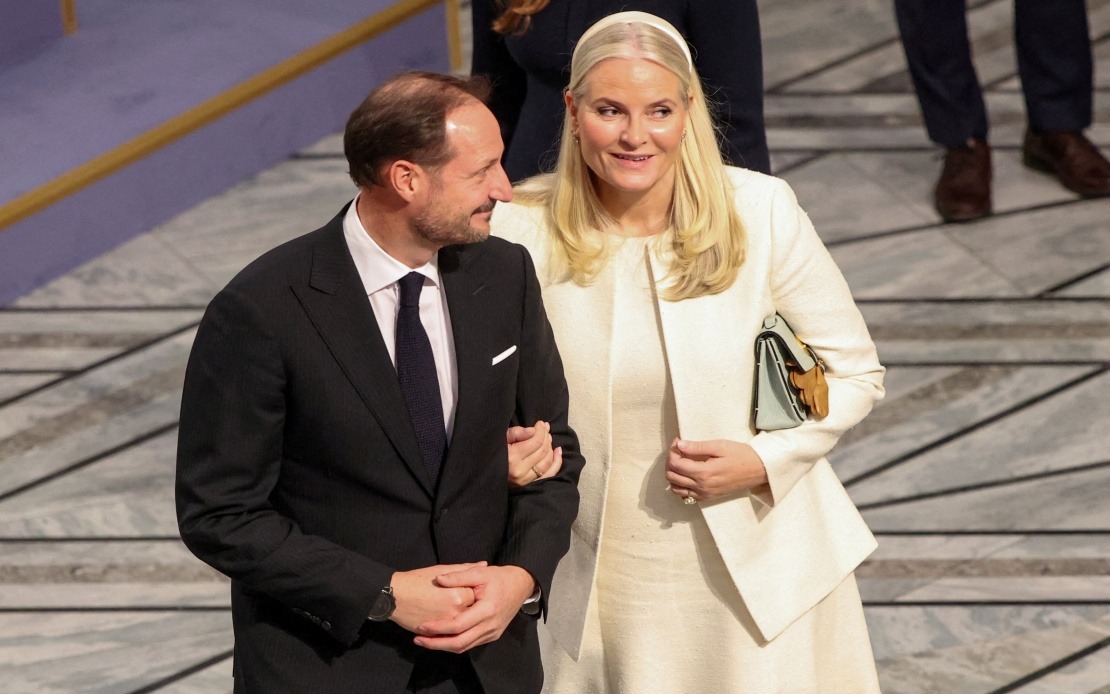
Norway's Crown Princess Mette-Marit has successfully completed a lung transplant operation, marking a major medical milestone for the Scandinavian royal family. The Royal Palace in Oslo confirmed the procedure's success on Wednesday through an official announcement, with the German Press Agency reporting the development following the palace's statement. The operation comes less than two weeks after the palace publicly disclosed on June 5 that Mette-Marit had been placed on the organ waiting list, a decision that reflected the severity of her medical condition and the urgent need for intervention.
The 52-year-old princess has endured a prolonged battle with pulmonary fibrosis, a progressive and irreversible lung disease characterised by the gradual scarring and stiffening of lung tissue. This degenerative condition significantly impairs the lungs' ability to function properly, making even routine breathing increasingly laborious for affected individuals. In Mette-Marit's case, the disease had advanced to a point where she required continuous oxygen assistance to manage daily activities, a visible reminder of her deteriorating health status in recent months.
Pulmonary fibrosis presents one of the most challenging medical situations facing modern healthcare systems. The condition offers no cure, and treatment options remain limited to managing symptoms and slowing progression. For patients with advanced stages of the disease, a lung transplant represents the only viable pathway to extending life expectancy and restoring functional capacity. The fact that Mette-Marit qualified for the waiting list indicates that medical professionals assessed her life expectancy without transplantation at approximately one year—the standard threshold used internationally to determine transplant eligibility.
The timing of Mette-Marit's placement on the waiting list and the rapid availability of a suitable donor organ highlights the critical importance of organ donation systems. In Norway, the public announcement of the princess's medical condition and her need for a transplant appears to have catalysed increased interest in organ donation among the population. According to reports from Norwegian news agency NTB, citing data from the country's Organ Donation Foundation, the number of potential organ donors rose dramatically following the royal palace's disclosure. This phenomenon demonstrates how transparent communication about prominent figures' medical challenges can have tangible effects on public health initiatives.
The relationship between royal health disclosures and organ donation rates is not unique to Norway. When members of prominent families face serious illnesses requiring transplantation, public awareness of organ shortage challenges typically increases. The willingness of the Norwegian royal family to make Mette-Marit's condition public, rather than maintaining privacy as many royal institutions might choose, appears to have generated meaningful engagement with the donation system. This openness may prove valuable for public health messaging across Scandinavia and potentially influence donor registry participation in other countries observing the Norwegian experience.
Mette-Marit's position as Crown Princess of Norway carries significant symbolic weight beyond her personal circumstances. As the wife of Crown Prince Haakon, the heir to the Norwegian throne, she occupies a prominent position within one of Europe's constitutional monarchies. Her medical journey and successful transplant will inevitably shape public discourse around organ transplantation, medical resource allocation, and healthcare accessibility in Norway and across the Nordic region. The successful outcome of her procedure provides a hopeful narrative that may encourage other patients with similar conditions to pursue transplant options and motivate potential donors.
The Norwegian healthcare system's capacity to deliver advanced transplant surgery reflects the country's well-developed medical infrastructure and robust organ procurement network. Scandinavian countries have established themselves as leaders in transplant medicine, maintaining high standards for donor matching, surgical technique, and post-operative care. The successful completion of Mette-Marit's operation underscores the technical excellence available within Nordic medical institutions and the sophisticated systems required to match recipients with suitable donor organs in a timely manner.
Looking forward, Mette-Marit's recovery trajectory will likely receive considerable public attention given her status and the nature of her procedure. Lung transplant recipients typically face a challenging rehabilitation period requiring careful monitoring for rejection and infection. Her experience navigating post-transplant life as a public figure may generate additional awareness about the lifelong medical management required following organ transplantation. Success in her case could influence attitudes toward organ transplantation more broadly across Scandinavia and strengthen support for donation initiatives.
For Malaysian and Southeast Asian observers, the Norwegian experience offers instructive perspectives on organ donation systems and healthcare transparency. While Malaysia maintains its own established transplant programme with significant achievements in organ procurement and allocation, comparative study of Nordic approaches—particularly how public communication influences donation participation—may yield valuable insights. The intersection of royal health matters, public awareness, and organ donation demonstrates how institutional transparency can serve broader health policy objectives while addressing individual medical needs.

