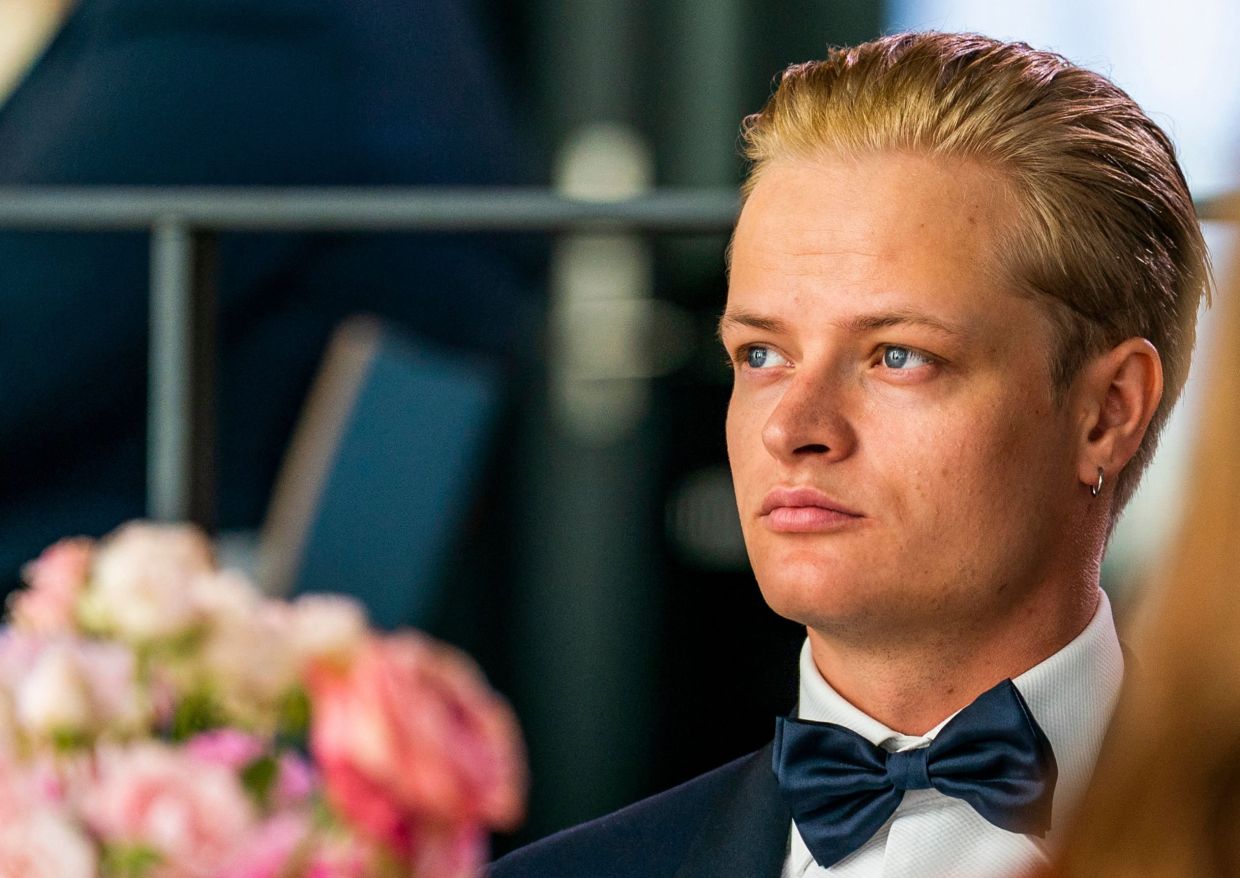
Norway's Crown Princess Mette-Marit has been thrust into a deeply troubling spotlight following the sentencing of her eldest son, Marius Borg Høiby, to four years in prison on rape convictions. The 29-year-old was found guilty of two of four rape allegations he faced in court, while being acquitted of the remaining accusations. In addition to his prison term, he has been ordered to provide financial compensation to those affected by his crimes. The case represents one of the most significant legal proceedings involving a member of the Norwegian royal household in recent memory.
Høiby faced a sprawling array of criminal charges totalling 40 counts stretching back to incidents between 2018 and 2024. The core allegations involved the sexual assault of four women during periods when they were either asleep or incapable of resisting. Beyond the rape convictions, the court found him culpable of assault and patterns of abuse occurring within intimate relationships. This broader conviction speaks to conduct that prosecutors characterised as systematic and predatory in nature. The defendant had entered guilty pleas to several lesser offenses, including drug-related violations and breaches of restraining orders, while maintaining his innocence regarding the most serious charges.
The judicial outcome represents a significant distance from the prosecution's initial sentencing recommendation. Prosecutors argued strenuously for a term of seven years and seven months imprisonment, believing the severity of his actions warranted an extended deprivation of liberty. His legal team, conversely, sought acquittal on rape allegations entirely and petitioned for a maximum sentence of 18 months for admissions to lesser offences. The judge's decision to impose four years struck a middle ground between these opposing positions, suggesting the court weighed the gravity of the rape convictions while acknowledging mitigating factors presented by the defence.
The trial itself unfolded over six weeks, concluding in March following comprehensive examination of evidence and witness testimony. Multiple accusers took the stand to recount their experiences, while prosecutors presented substantial documentary evidence retrieved from Høiby's electronic devices, including text messages, photographs, and video recordings. This digital evidence apparently proved decisive in establishing guilt on two of the rape counts, though it apparently lacked sufficient weight on the other two allegations. The thorough nature of the proceeding and the volume of material presented ensured that the judgement rested on substantial factual foundations.
Drama surrounded Høiby's absence from the courtroom during Monday's verdict reading. Rather than appearing in person, he watched proceedings via video link from his prison cell, citing health-related concerns that prevented physical attendance. This decision, while legal, underscored the distance now separating him from the proceedings' culmination. His inability to be physically present may also reflect the psychological toll of extended incarceration while awaiting trial and subsequent sentencing—a reality facing many defendants in complex cases that consume substantial judicial time.
Although Høiby holds no formal royal title and carries no official governmental responsibilities, his parentage places him within the royal household and close to power. He is the son of Crown Princess Mette-Marit from a relationship preceding her marriage to Crown Prince Haakon, the current heir to Norway's throne. Høiby was raised within the royal residence, meaning he grew up alongside the man destined to become king. This proximity to the succession, despite his lack of formal role, has generated considerable international media attention, transforming a serious criminal matter into a story with global resonance that extends far beyond Norway's borders.
The sentencing arrives at a particularly sensitive moment for the royal family, as Crown Princess Mette-Marit's health has deteriorated noticeably. She has been diagnosed with pulmonary fibrosis, a progressive lung disease, and currently awaits a lung transplant that may prove life-saving. Her medical circumstances become relevant legally because her defence team had previously sought temporary release for Høiby pending the verdict's delivery, citing his mother's serious condition. However, appeals courts consistently ruled that he remain in custody throughout the judicial process, prioritising the continuity of trial procedures over family-based compassion requests.
The case unfolded against a backdrop of renewed scrutiny concerning Crown Princess Mette-Marit's historical associations. Disclosures emerged regarding her past contacts with Jeffrey Epstein, the American financier and convicted sex offender whose criminal network and abuses gained international notoriety following his death in custody. While the Crown Princess is not herself accused of wrongdoing, she has publicly acknowledged poor judgement in maintaining contact with Epstein and has offered a formal apology for the association. This convergence of her son's conviction with revelations about her own past connections has intensified media scrutiny of the royal family and raised uncomfortable questions about institutional cultures and accountability.
The verdict is not conclusive, as Høiby retains the right to appeal the court's decision. Whether he will pursue this avenue remains uncertain, particularly given the substantial evidence presented during trial and the court's reasoned judgment finding guilt on serious charges. An appeal would potentially prolong his mother's involvement in legal proceedings during what may constitute a critical period for her health. For Malaysia and other Southeast Asian nations observing this case, it demonstrates how no institution—even those cloaked in centuries of tradition and ceremony—remains immune to serious criminal allegations or the requirement to pursue justice rigorously and publicly.

