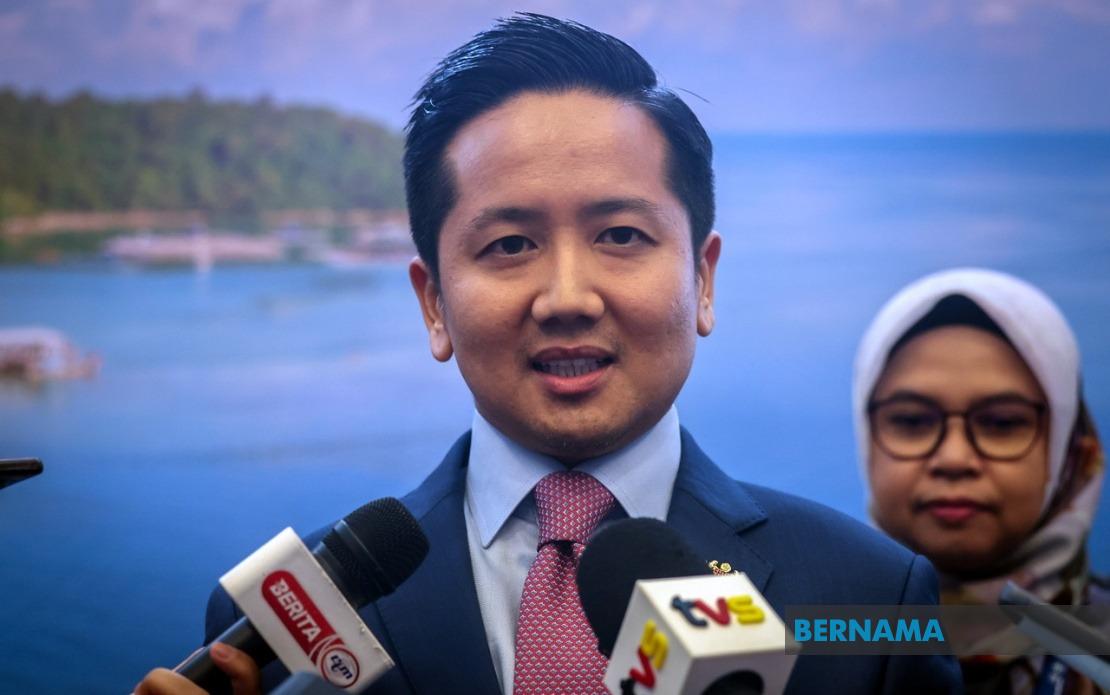
The Ministry of Natural Resources and Environmental Sustainability has assured the Malaysian Anti-Corruption Commission of its full support as the agency investigates the controversial relocation of three Asian elephants named Dara, Amoi, and Kelat from Taiping Zoo to Tennoji Zoo in Osaka, Japan. Minister Datuk Seri Arthur Joseph Kurup issued the commitment on June 23, emphasizing that the ministry remains devoted to upholding transparency, accountability, and adherence to legal frameworks across all dimensions of the nation's wildlife stewardship.
The ministry's position reflects growing pressure from wildlife advocates and anti-corruption officials questioning whether proper procedures were followed during the elephant transfer process. Arthur stated that NRES stands ready to furnish authorities with comprehensive assistance and documentation needed to conduct a thorough and impartial investigation into the matter. This stance signals the ministry's determination to demonstrate institutional integrity and protect Malaysia's international standing in the realm of animal welfare and environmental governance.
Crucially, Arthur asserted that the ministry would neither protect nor show leniency toward any individual or organization found to have engaged in improper conduct, violations of protocol, or procedural breaches related to the transfer. Such an unequivocal stance carries significant weight, as it suggests the investigation may extend beyond procedural questions to potential corruption. The minister's willingness to distance the ministry from any wrongdoing indicates awareness that the case has become a test of the government's commitment to accountability in resource management and institutional integrity.
The investigation was formally initiated after the MACC received allegations suggesting irregularities and possible leakages in the transfer process. Wildlife rights organization Hak Asasi Hidupan Liar Malaysia, commonly known as Hidup, petitioned the commission on June 18 to investigate the elephant relocation, citing concerns that the decision lacked proper oversight. The group's intervention proved consequential, prompting the anti-corruption agency to open an official inquiry into transactions it estimated at approximately RM53 million, with allegations that certain payments bypassed government channels entirely.
Hidup's complaints centered on the allegation that funds related to the transfer failed to reach state coffers and implicated multiple individuals in potentially irregular financial arrangements. These claims suggest the investigation extends beyond animal welfare concerns to encompass potential financial misconduct and possible embezzlement. The RM53 million figure, though unverified, underscores the financial scale of the matter and why anti-corruption authorities deemed it worthy of formal scrutiny.
For Malaysian readers, this investigation holds broader implications concerning the governance of state institutions and the movement of national assets. The elephant transfer reflects how international arrangements involving government resources require robust oversight mechanisms. Southeast Asia has witnessed numerous instances where cross-border animal relocation agreements have become vehicles for financial irregularities, making this case relevant beyond Malaysia's borders.
The timing of the investigation also reflects Malaysia's ongoing efforts to strengthen its anti-corruption architecture following previous high-profile cases. The MACC's willingness to investigate a matter involving a relatively niche sector—zoo operations and animal welfare—demonstrates the commission's expanded purview and commitment to examining misconduct across all government functions, not merely those involving large defense contracts or major infrastructure projects.
The three elephants' transfer to Japan represents a diplomatic gesture toward a valued trading partner and reflects Malaysia's participation in international zoo networks and animal conservation programs. However, the investigation reveals how such arrangements must be conducted with rigorous financial controls and transparent decision-making processes. The Tennoji Zoo arrangement, whatever its conservation merits, has become entangled with questions about procedural integrity and institutional accountability.
Wildlife advocates and transparency campaigners have framed the investigation as essential to restoring public confidence in government decision-making regarding natural resources. The Hidup organization's role in triggering the MACC probe demonstrates how civil society organizations continue to serve as institutional checks on executive action, particularly in policy domains where technical expertise and public interest alignment may diverge from political considerations.
The investigation's outcome will likely influence how future international wildlife agreements are structured and approved within Malaysia's bureaucracy. If financial irregularities are substantiated, the case may prompt the government to implement additional approval layers and audit requirements for similar arrangements. Conversely, if the investigation concludes that procedures were followed appropriately, it may vindicate ministry officials while raising questions about the legitimacy of the Hidup organization's allegations.
Arthur's commitment to transparency must now be tested through concrete investigative outcomes and institutional responses. The ministry's credibility depends not only on rhetorical assurances but on demonstrable cooperation, including the provision of complete documentation, communications records, and personnel interviews to MACC investigators. The strength of his statement will be measured against the investigation's findings and any subsequent disciplinary or legal actions.
For regional observers, this case illustrates broader governance challenges across Southeast Asia regarding the management of state assets and international agreements. Many countries in the region grapple with balancing diplomatic relationships with rigorous institutional accountability. Malaysia's handling of the elephant transfer investigation will offer insights into whether anti-corruption mechanisms can operate effectively even when investigations implicate government ministries and their leadership, a critical test of institutional independence and the rule of law.

