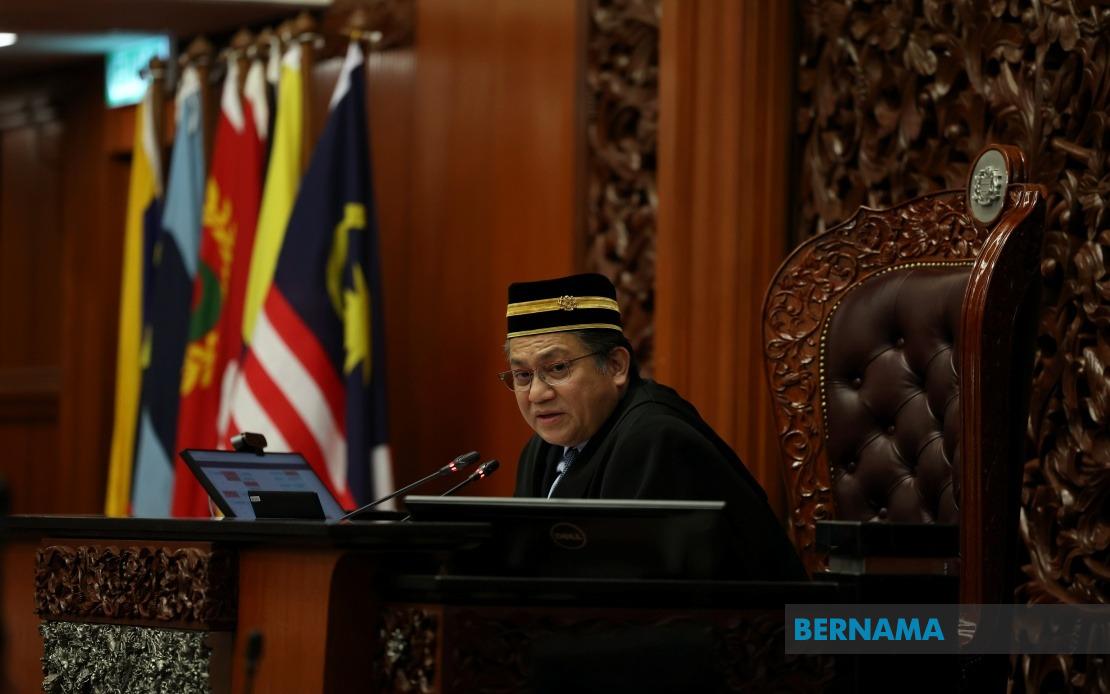
Datuk Nur Jazlan Mohamed, the 60-year-old UMNO stalwart and Pulai Division chief, has secured reappointment as Deputy Speaker of the Dewan Negara for another three-year term, cementing his position as a key figure in Malaysia's upper house of Parliament. The nomination, submitted on July 20 by Higher Education Minister Datuk Seri Zambry Abd Kadir acting on behalf of Prime Minister Datuk Seri Anwar Ibrahim, proceeded unopposed before the parliamentary sitting commenced. His new mandate, ratified by His Majesty the Yang di-Pertuan Agong, runs from June 15, 2026 to June 14, 2029.
Nur Jazlan's continued tenure reflects the stability sought in parliamentary leadership during a period of ongoing political consolidation. Having first assumed the deputy speaker role in June 2023, he brings nearly two decades of legislative experience to the position. His background encompasses significant ministerial responsibility, including a stint as Deputy Home Minister between 2015 and 2018, and a fourteen-year record as Member of Parliament for Pulai between 2004 and 2018. His elevation through party ranks to the UMNO Supreme Council underscores the confidence placed in him by Malaysia's largest political coalition.
Alongside Nur Jazlan's reappointment, Senator Mussodak Ahmad similarly secured renewal of his senatorial position. Mussodak, who represents the Kedah State Legislative Assembly and holds the position of PAS party secretary in the state, has served since his initial appointment in March 2023. His three-year extension, sponsored by the Kedah assembly, extends from March 20, 2026 to March 19, 2029. Both politicians were formally sworn in before the Senate Speaker, Datuk Awang Bemee Awang Ali Basah, at the same sitting where Nur Jazlan's deputy speaker reappointment was confirmed.
The reappointment pattern reflects a broader tendency toward institutional continuity in Malaysia's parliamentary system. The Dewan Negara, often characterised as a chamber of review and scrutiny, benefits from experienced hands maintaining procedural consistency and legislative oversight. Deputy speakers play a crucial role in managing parliamentary business, coordinating committee work, and ensuring orderly deliberation. Nur Jazlan's extended tenure suggests that the government and the Yang di-Pertuan Agong's office view his stewardship as effective and aligned with the chamber's operational needs.
Mussodak's background as a state assemblyman and party official demonstrates the interwoven nature of Malaysia's federal and state political structures. The Kedah representative's contested candidacies for the Bayu and Guar Chempedak state seats illustrate the typical trajectory of ambitious state-level politicians seeking to broaden their influence. His senatorial appointment, and subsequent reappointment, represents a mechanism through which the upper house draws talent and geographical representation from across the federation.
The Senate's institutional role has evolved significantly since Malaysia's independence. Originally conceived as a house of representatives from the states and a vehicle for senior statesmen, it has increasingly become a site of legislative review, providing a second chamber examination of bills before they reach royal assent. The composition of the chamber, blending elected state representatives with appointed members, creates a unique dynamic where experienced administrators like Nur Jazlan can exercise influence beyond what traditional electoral politics might afford them.
Nur Jazlan's journey from federal parliamentarian to senatorial deputy speaker reflects shifting career patterns in Malaysian politics. Many experienced elected representatives, once their electoral base grows uncertain or their parliamentary tenure concludes, transition into appointed senatorial positions. This pathway allows them to maintain political influence and parliamentary engagement while potentially positioning themselves for other senior roles within party hierarchies or government structures. His concurrent position as Pulai division UMNO chief suggests he retains significant grassroots political leverage within his party.
The timing of these appointments, occurring in July 2026, positions both senators for meaningful participation in the Fifth Term of the 15th Parliament. The scheduled Senate sitting running from July 20 through August 4 would represent the second substantive meeting of this term. During such sittings, the deputy speaker assumes responsibility for chairing debates, maintaining decorum, and managing legislative procedures when the speaker is absent or presiding over other parliamentary business. The ten-day duration indicates substantial legislative business awaiting examination.
For Malaysian readers, particularly those monitoring parliamentary governance and institutional development, the reappointments underscore the stability mechanisms embedded in the nation's constitutional framework. The Yang di-Pertuan Agong's ratification of these positions reflects the constitutional role of the monarchy in parliamentary appointments. Simultaneously, the nomination process, facilitated through the Prime Minister's office and ministerial actors, demonstrates the executive's continued influence in shaping upper house composition and leadership.
The broader implications of these appointments merit consideration within the context of Malaysia's political trajectory. The Senate has occasionally emerged as a venue for senior figures to exercise significant influence during periods when electoral politics became contested or when factional tensions within government needed managing. Nur Jazlan's reappointment as deputy speaker, paired with his UMNO Supreme Council membership, positions him at the intersection of party politics and parliamentary management. This dual positioning may prove significant should intra-coalition tensions require senior-level mediation or should the government seek additional resources for managing legislative programmes.
Mussodak's reappointment further reflects the political mathematics of Malaysian federalism. Kedah's representation in the Senate, particularly through PAS-affiliated members, maintains the coalition's presence in parliamentary chambers where opposition parties also operate. The deliberate cultivation of experienced state-level figures for senatorial roles ensures that federal chambers retain understanding of state-level concerns and regional political dynamics. This federal-state linkage through senatorial appointments has historically proven valuable during periods requiring consensus-building or compromise on legislation affecting multiple jurisdictions.
Looking forward, these reappointments stabilise the Senate's leadership structure through a volatile period in Malaysian politics. The confirmation of experienced hands in key parliamentary roles signals continuity in legislative oversight and procedural management. For Southeast Asian observers, Malaysia's upper house management demonstrates how constitutional monarchies can preserve institutional stability through prudent appointment strategies, balancing executive influence with the need for independent parliamentary scrutiny. The three-year mandates for both senators suggest the government anticipates significant legislative business ahead, requiring sustained engagement from experienced parliamentarians capable of navigating complex legislative processes.

