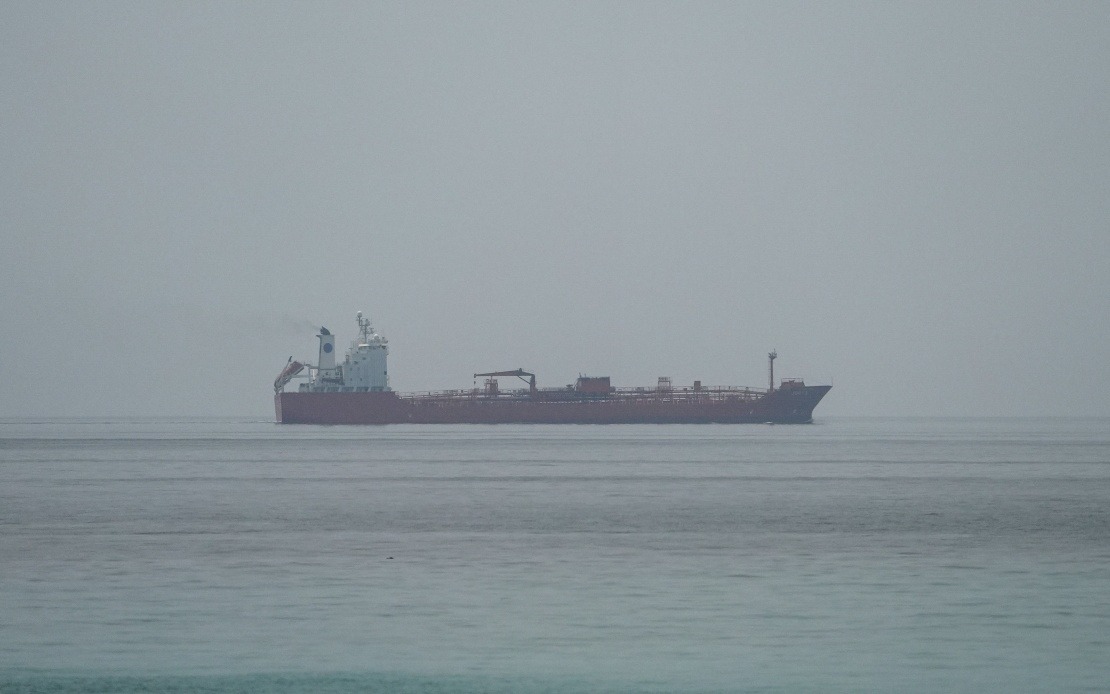
Oman has emerged as a vocal supporter of the newly signed memorandum of understanding between the United States and Iran, with its government emphasizing that the accord holds significant potential for restoring regional peace and guaranteeing unobstructed maritime passage through one of the world's most economically vital waterways. Speaking at a joint ministerial gathering between the Gulf Cooperation Council and Washington in Bahrain on Thursday, Omani Foreign Minister Badr Albusaidi conveyed his country's backing for the agreement while making an explicit commitment that no transit fees would be imposed on vessels moving through the Strait of Hormuz under any future arrangements related to the passage.
As a nation with direct access to the Strait of Hormuz, Oman occupies a uniquely important position in regional maritime security and has long positioned itself as a neutral intermediary in Gulf affairs. Albusaidi underscored this special responsibility, framing Oman's support for the agreement not merely as a diplomatic gesture but as a natural extension of its role as a coastal state with vested interests in maintaining stable shipping lanes. He tied Oman's commitment explicitly to international law and the UN Convention on the Law of the Sea, grounding the country's position in established legal frameworks rather than narrow national interest.
The significance of Oman's reassurance cannot be overstated for Malaysian and Southeast Asian stakeholders. The Strait of Hormuz serves as a critical chokepoint through which approximately one-third of global seaborne traded oil passes annually. For Malaysia, as an energy-importing nation and a major shipping hub with significant reliance on regional trade routes, any disruption to Hormuz traffic carries immediate economic consequences. Oman's guarantee of fee-free transit directly addresses one of the commercial concerns that could have arisen from the new agreement, removing potential friction points that might otherwise complicate shipping operations or increase energy costs for regional economies.
The Iran-US agreement itself represents a significant diplomatic breakthrough following months of escalating tensions in West Asia. The accord, formally registered after electronic signatures from Iranian President Masoud Pezeshkian and US President Donald Trump on June 18, emerged through Pakistani mediation and encompasses fourteen substantive points addressing multiple conflict zones. Beyond the Hormuz provisions, the understanding commits both parties to ceasing hostilities across Lebanon and other theaters, while simultaneously obligating the United States to lift its naval blockade on Iranian waters. These provisions collectively aim to de-escalate one of the most volatile regional conflicts, with ripple effects extending far beyond the Middle East.
Context matters enormously here. The agreement arrived in the aftermath of tense military exchanges that had rattled regional security calculations. In late February, the US and Israel conducted coordinated strikes against Iranian military installations, prompting swift Iranian retaliation targeting both Israel and American military facilities across the Gulf region. The cycle of action and counteraction demonstrated the fragility of the status quo and the manifest risks of further escalation. Pakistan's willingness to serve as a trusted intermediary highlights the diplomatic channels that persist even amid high tensions, and the successful conclusion of negotiations validates the utility of persistent multilateral engagement.
The ongoing consultations between the GCC and Washington underscore the complexity of contemporary Gulf security architecture. These regular ministerial meetings address not only immediate security crises but also longer-term questions of political coordination and economic cooperation. For Southeast Asian nations, the health of these relationships directly influences regional stability, given the interconnected nature of modern trade networks and the military presence of external powers in shared waters. Malaysia's own extensive maritime interests across the Indian Ocean and South China Sea mean that the Strait of Hormuz's security status carries strategic importance beyond simple energy calculations.
Oman's historical role as a mediator in regional disputes adds weight to Albusaidi's statements. Unlike several of its GCC partners, Oman has cultivated diplomatic relations with Iran while maintaining firm ties to the Western alliance, allowing it to serve as a bridge between seemingly irreconcilable parties. This positioning reflects both geographical realities and considered policy choices by successive Omani administrations. The country's willingness to anchor the new agreement's provisions regarding Hormuz with explicit guarantees demonstrates confidence in the agreement's durability and suggests that Muscat expects the arrangement to hold through its critical early phases.
The issue of transit fees, though apparently minor, carries symbolic and practical significance. Throughout maritime history, attempts by regional powers to monetize passage through strategic straits have generated international friction and prompted countervailing pressure from naval powers committed to freedom of navigation. Oman's preemptive commitment to free passage thus removes one potential point of future contention while signaling to international shipping interests that normal commercial patterns can be expected to resume and stabilize. For Malaysian shipping companies and traders, such guarantees facilitate business planning and reduce uncertainty premiums in their operational calculations.
The agreement's reopening of the Strait of Hormuz addresses one of the most acute consequences of elevated tensions: the potential for the waterway to become militarized or partially closed through accident or intention. During previous periods of heightened Gulf tensions, shipping insurance premiums spiked, transit times lengthened as vessels took longer routes around Africa, and energy costs rippled through global supply chains. The formal commitment to restore normal passage thus carries economic significance extending well beyond the immediate region, affecting inflation rates, manufacturing costs, and energy security calculations across Asia and beyond.
Looking forward, the durability of this agreement will depend on multiple factors, including the commitment of both signatories to implementation, the absence of new provocative incidents, and the broader political stability of both nations. Oman's explicit reaffirmation of its support and its guarantees regarding Hormuz passage suggest that at least one key regional actor has confidence in the arrangement's staying power. However, the history of Middle Eastern peace agreements counsel caution regarding assumptions of permanent resolution. For Malaysian policymakers and business interests, maintaining close attention to the implementation phase becomes essential, as any slippage in Iranian-American cooperation could quickly reverse the current trajectory toward regional normalization.
The joint GCC-US ministerial framework itself represents an important institutional mechanism for managing ongoing dialogue and coordinating responses to emerging challenges. These regular consultations create opportunities for diplomatic problem-solving before crises escalate beyond control. For regional observers in Southeast Asia, the existence of such mechanisms offers a degree of reassurance that the US and its Gulf partners maintain channels through which to navigate disagreements without resorting to military confrontation. Oman's statements at this gathering thus carry importance both as specific commitments regarding Hormuz transit and as indicators of broader regional sentiment favoring the agreement's success and the restoration of more normal great-power relations in the Gulf.

