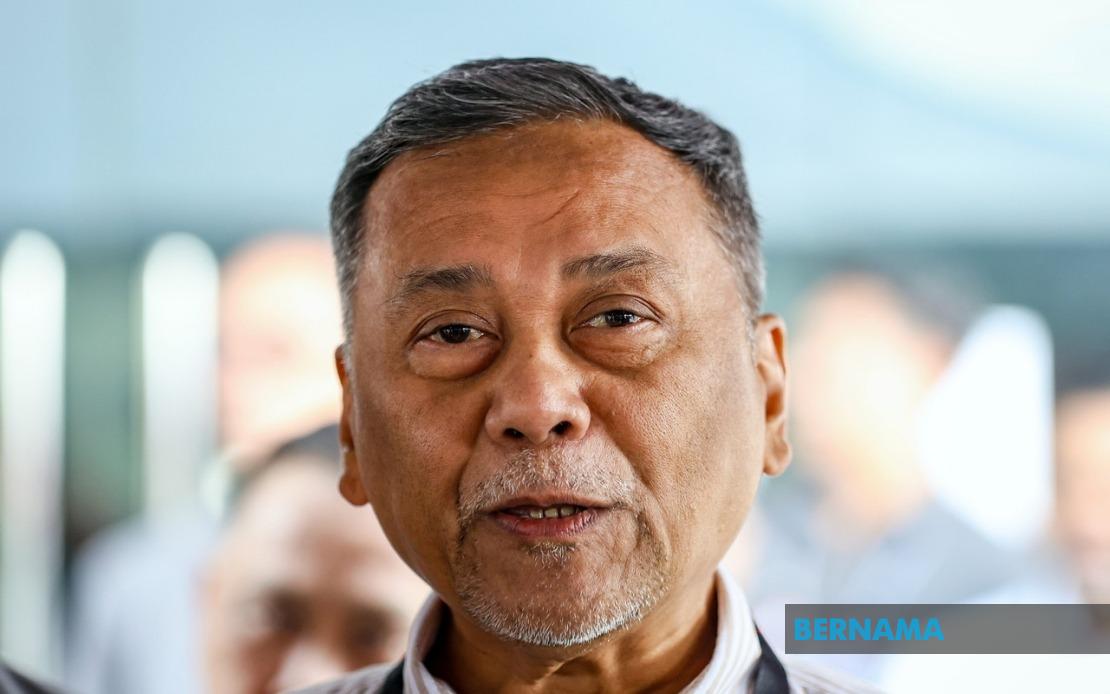
With just hours remaining before millions of Johor voters head to the polls, the Election Commission has clarified the channels through which Malaysians should lodge complaints about controversial campaign materials distributed via digital platforms. EC Chairman Datuk Seri Ramlan Harun made the distinction clear during an inspection of ballot-checking facilities in Pontian, emphasising that the Malaysian Communications and Multimedia Commission holds jurisdiction over online content while the EC manages physical campaign matter on the ground.
The clarification arrives amid mounting criticism over campaign posters and banners featuring the faces of former Prime Minister Datuk Seri Najib Razak and his wife, Datin Seri Rosmah Mansor, individuals who are not candidates in the Johor state election. UMNO Supreme Council member Datuk Seri Shahaniza Shamsuddin, who also serves as Pahang UMNO information chief, has characterised such material as extreme and potentially manipulative, suggesting it aims to sway public opinion through the prominence of high-profile personalities rather than focusing on actual electoral contenders.
The distinction between physical and online campaign materials reflects the evolving complexity of modern electioneering in Malaysia. While enforcement teams have already begun removing unauthorised physical posters and banners from various locations following public complaints, the digital realm presents fundamentally different challenges for regulatory bodies. Content distributed through social media platforms, messaging applications, and other online channels operates under different legal frameworks and requires specialised oversight from the MCMC, which possesses the technical expertise and regulatory authority to manage such material.
Ramlan's guidance to route digital complaints through the MCMC rather than the EC underscores how electoral oversight in Malaysia must now navigate the intersection of traditional campaign regulation and the modern information ecosystem. When campaign materials appear online, particularly those featuring individuals not formally running for office, they fall squarely into the MCMC's domain under existing telecommunications and multimedia legislation. This jurisdictional separation ensures that each body focuses on areas where it possesses clear legal authority and operational capability.
The controversy surrounding Najib and Rosmah's images in campaign materials raises broader questions about the boundaries of acceptable electioneering. Using the likenesses of prominent national figures who are not candidates can create confusion about whom voters are actually supporting while potentially leveraging residual political sentiment—positive or negative—to influence electoral outcomes. The practice effectively transforms non-candidates into shadow actors in the election, allowing campaigns to benefit from or react against public perception of these figures without those individuals bearing any formal accountability to voters.
Shahnniza's intervention as an UMNO member to criticise such practices suggests internal party concern about the tactic's appropriateness, even within the coalition that historically benefited from Najib's leadership. This reflects a broader recognition that while political campaigns may sometimes push boundaries, deploying imagery of individuals entirely outside the electoral contest crosses a threshold that multiple stakeholders consider problematic. The focus should remain on the candidates and platforms directly competing for the 56 Johor state assembly seats available in tomorrow's election.
As 2.7 million Johor voters prepare to cast ballots in the 16th state election, the clarity on complaint procedures becomes practically important. Members of the public who encounter questionable online campaign content now know precisely where to direct their concerns: the MCMC, which can take action to remove materials that violate relevant regulations. This direct routing should theoretically accelerate resolution, as complaints reach the agency with actual enforcement capability over digital platforms rather than passing through intermediary bodies with no jurisdiction in the online space.
The election's stakes extend beyond Johor's assembly composition, as state-level contests in Malaysia often serve as barometers for broader political sentiment and coalition strength. The campaign period has proven contentious in various respects, and maintaining clear procedural frameworks for addressing irregularities—whether physical or digital—remains essential for electoral credibility. Voters need confidence that complaints about inappropriate material will be handled by the appropriate authorities working within their respective mandates.
For Malaysian political observers and media practitioners, this moment illustrates how electoral oversight structures must adapt to technological change while maintaining coherent authority. The EC's traditional remit centred on managing in-person voting, ballot integrity, and physical campaign conduct. However, the exponential growth of digital campaign activity over the past election cycles necessitates clearer delineation between what the EC handles and what falls to communications-focused regulators. This clarification should help prevent confusion and reduce delays in addressing problematic online content during critical campaign phases.
The MCMC, for its part, now receives explicit public direction to expect complaints about election-related campaign materials, framing such concerns as part of its broader responsibility for Malaysian digital communications standards. The commission must be adequately resourced to handle the potential volume of complaints during active election periods, processing them swiftly to remove material that violates standards before such content can significantly influence voter behaviour. As digital campaign activity becomes ever more sophisticated and pervasive, the mechanisms for policing inappropriate content must keep pace.
Looking forward, the precedent established during this Johor election—with clear guidance on which body handles which types of complaints—may inform how future elections operate. Whether at state or federal level, campaigns will increasingly leverage online platforms, and voters will increasingly encounter digital material of questionable propriety. Having established pathways and clarified responsibilities between the EC and MCMC creates a template for managing such issues in subsequent contests. The system's effectiveness will depend on both agencies responding promptly to legitimate concerns while respecting candidates' rights to conduct vigorous campaigns.

