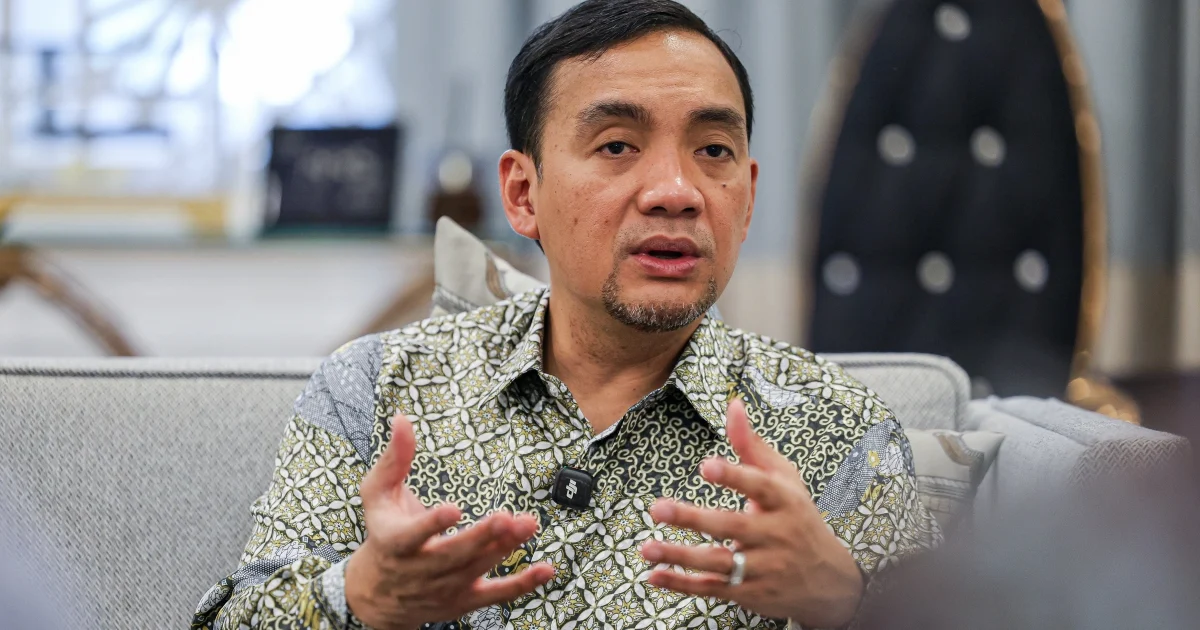
Johor's caretaker Menteri Besar Datuk Onn Hafiz Ghazi has firmly repudiated claims that he received an instruction from the Johor palace to dissolve the state assembly, pushing back against allegations made by Datuk Dr Mohd Puad Zarkashi in what has become an increasingly contentious political dispute within the sultanate's governing structures.
The denial comes at a sensitive moment for Johor's political landscape, where questions about the decision-making process behind assembly dissolution carry significant weight given the constitutional role of the monarchy in state governance. Such claims, if substantiated, could raise serious questions about the scope of executive authority and the proper channels through which governmental decisions are made and justified to the public.
For Malaysian observers, the disagreement illustrates the delicate balance that exists between the state executive and the palace in a constitutional monarchy system. Johor's political environment has long been marked by strong personalities and competing power bases, and accusations regarding palace involvement in high-level decisions can quickly destabilise confidence in institutions. The fact that Onn Hafiz felt compelled to issue a formal denial suggests the allegations carry sufficient weight in political circles to demand immediate clarification.
Datuk Dr Mohd Puad Zarkashi's assertion appears designed to undermine the legitimacy of the assembly dissolution by framing it not as an executive decision made through normal constitutional channels, but as a directive handed down from above. This narrative positioning matters considerably in Malaysian politics, where public perception of institutional propriety influences both political support and the broader health of democratic processes. An assembly dissolution presented as palace-ordered carries different implications than one presented as a leadership decision taken within constitutional bounds.
Onn Hafiz's response mechanism—a direct denial rather than a nuanced explanation of palace consultations—suggests the caretaker Menteri Besar wants to firmly establish his government's independent authority over this decision. In Malaysian constitutional practice, it is entirely normal for chief ministers to consult with the rulers before making major decisions, yet there exists an important distinction between consultation and directive compliance. By rejecting the characterisation that he received an "order," Onn Hafiz appears to be protecting both his own political standing and the perceived legitimacy of his administration's actions.
The broader context of Johor politics adds considerable significance to this exchange. The state has experienced notable political shifts in recent years, with changes in governing coalitions and leadership that have kept the political environment volatile. Against this backdrop, questions about how major decisions are made—and who truly holds decision-making power—become matters of genuine public interest rather than mere technical constitutional disputes.
For the wider Southeast Asian region, the Johor situation exemplifies ongoing questions about how constitutional monarchies balance institutional roles in increasingly complex political environments. Malaysia's federal system distributes significant power to state governments, and Johor, as one of the most economically significant states, represents a crucial test case for how these constitutional relationships function in practice. The transparency with which political leaders explain their decision-making processes influences public confidence in state-level governance throughout the region.
Puad Zarkashi's intervention in this dispute likely reflects broader factional tensions within Johor's political ecosystem. By raising questions about palace involvement, he may be attempting to mobilise support among constituencies that view executive overreach with concern, or conversely, among those who believe proper constitutional procedures were not followed. The specific mention of palace involvement suggests he believes this line of argument holds political purchase with important audiences.
The caretaker status of Onn Hafiz's position adds another layer of complexity to this dispute. In caretaker capacity, a Menteri Besar operates under constraints, with certain major decisions requiring heightened consultation and justification. A caretaker government's decisions around assembly dissolution sit at the intersection of constitutional necessity and political sensitivities, making clarity about decision-making processes particularly important for maintaining institutional confidence.
Moving forward, this dispute will likely influence how Johor's political actors frame future major decisions and how they justify governmental actions to constituents. The demand for transparency around palace consultations versus palace directives is not merely semantic; it reflects substantive questions about constitutional governance that resonate throughout Malaysia's democratic system. How these questions are resolved in Johor may set precedents that other state governments will reference when facing similar accusations or demands for clarity about their decision-making authority.

