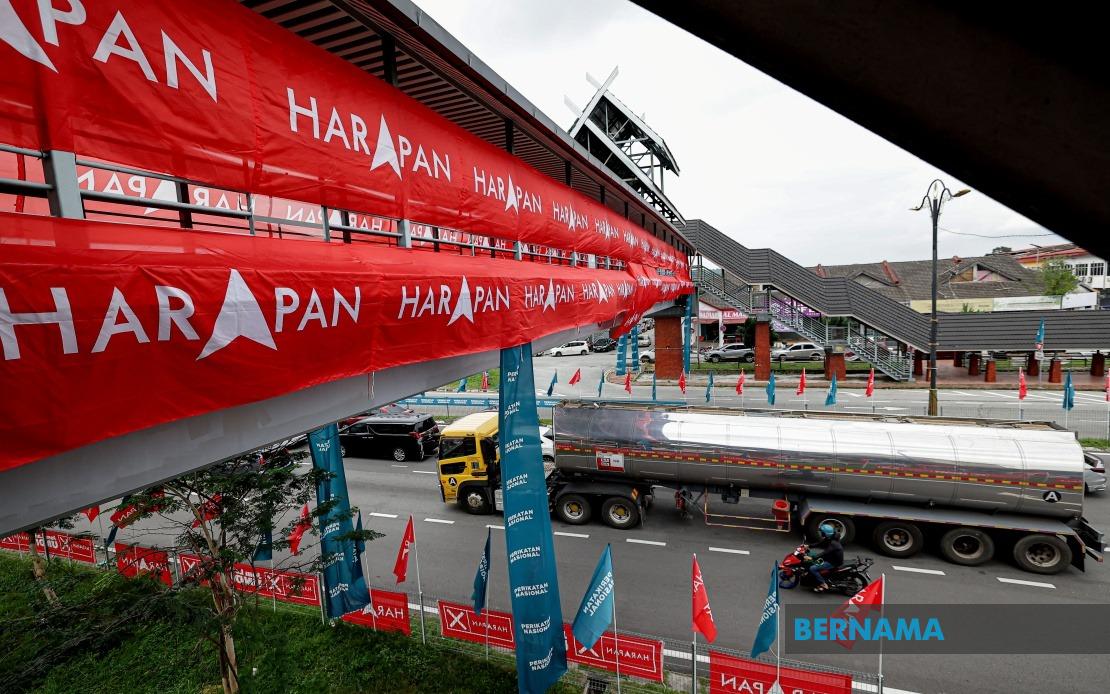
Security personnel serving in Negeri Sembilan and their spouses will exercise their democratic right through early voting tomorrow, with the Election Commission mobilising 38 dedicated polling stations across the state to facilitate the process. In total, 22,339 eligible voters from the uniformed services—comprising 16,884 from the military sector and 5,455 from the police force—are expected to participate in this preliminary voting phase, which takes place four days before the general polling scheduled for August 1.
The Election Commission has structured the early voting schedule to commence at 8 am across all centres simultaneously, though closing times will vary depending on each location's specific arrangements. Among the prominent early polling venues are the Army Basic Training Centre in Port Dickson, the Negeri Sembilan Contingent Police Headquarters in Sendayan Air Base, and police district offices in Seremban and Nilai. This decentralised approach aims to ensure security personnel can vote conveniently without disrupting operational duties across the state.
Weather conditions present a mixed picture for tomorrow's voting exercise. The Malaysian Meteorological Department forecasts generally clear skies in the morning throughout most of the state, offering favourable conditions for the initial voting period. However, Port Dickson residents should prepare for heavy rain and thunderstorms during the morning hours, while afternoon weather across Negeri Sembilan is expected to deteriorate significantly with widespread precipitation. The timing of early voting may provide some advantage, given the forecast clearing in early hours, though contingency measures may be necessary at certain polling centres if storms intensify.
The 16th Negeri Sembilan state election represents a significant political contest with broad participation across the electoral spectrum. A total of 103 candidates are competing for all 36 state assembly seats, reflecting robust engagement from multiple political coalitions and independent entities. The race encompasses representation from three major coalitions alongside independent candidates, positioning the election as a comprehensive test of voter sentiment across ideological and party lines in the state.
Pakatan Harapan maintains the most extensive presence in the contest, fielding candidates in every single constituency—a strategic show of strength that spans 16 PKR nominees, 11 from DAP, and nine representing Amanah. This comprehensive slate suggests the coalition views Negeri Sembilan as a territory where it can mount competitive campaigns throughout the state. The coalition's composition reflects the diverse support base within its membership, balancing representation across urban and rural constituencies.
Barisan Nasional, traditionally strong in Negeri Sembilan, is adopting a more selective approach by contesting only 25 of the 36 seats. The coalition's lineup includes 16 UMNO candidates, seven from MCA, and two from MIC, indicating calculated decisions about where to concentrate resources and organisational strength. This targeted strategy may reflect demographic considerations or assessments of competitive viability in specific districts.
Perikatan Nasional fields a modest 11 candidates distributed among its component parties, with PAS contributing five nominees, Parti Wawasan Negara providing four, and Gerakan and the Malaysian Indian People Party each fielding one representative. Meanwhile, Bersatu, operating independently rather than within a coalition framework, has fielded the second-largest candidate contingent with 24 hopefuls. Smaller parties including ASLI, PSM, and Berjasa round out the electoral landscape with limited but notable participation.
The dissolution of the Negeri Sembilan State Legislative Assembly on June 5 initiated the formal electoral timeline, with the Election Commission setting August 1 as polling day. The four-week window between dissolution and election allows parties to conduct campaigns, organise grassroots support, and mobilise voters. The early voting provision for security personnel reflects practical recognition of the challenges uniformed personnel face in participating during standard polling hours, given operational commitments and the potential for deployment.
For Malaysian readers, particularly those in Negeri Sembilan, this election carries implications extending beyond state governance. The results will test the current balance of power between Pakatan Harapan and Barisan Nasional at the state level, while also measuring support for the newer political configurations represented by Perikatan Nasional and independent players. The security personnel voting bloc, while numerically meaningful at over 22,000 votes, represents a measurable but not overwhelming portion of the electorate, though the symbolic importance of ensuring uniformed services can participate freely in democratic processes remains significant.

