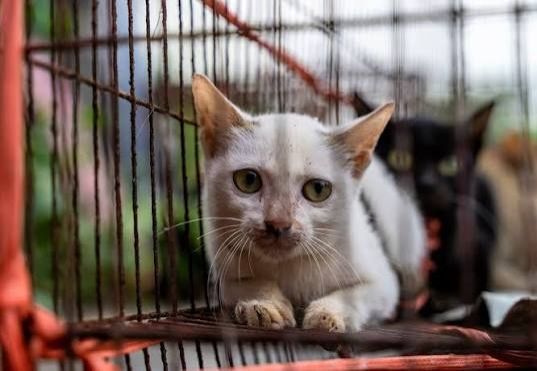
Vietnamese law enforcement has scored a significant victory against organized animal trafficking, dismantling a criminal network that specialised in systematically stealing cats across southern Vietnam. The operation, which culminated in the arrest of nine suspects last week, has already resulted in the reunification of more than 40 stolen pets with their owners, according to animal welfare advocates monitoring the case. The bust represents an important crack-down on a practice that, while technically legal in Vietnam, operates in a grey zone fraught with animal welfare concerns and property crime implications.
The scale of the seized operation underscores the sophistication of the trafficking network. Authorities recovered more than 400 live cats held in captivity, along with 80 animals that had already been slaughtered and preserved on ice, awaiting processing or sale. An additional 21 cats were confiscated from a separate facility, bringing the total recovered animals to over 500. The Ho Chi Minh City police official newspaper revealed that the suspects had built their criminal enterprise over a three-year period, systematically luring and trapping cats throughout the southern region, suggesting a well-coordinated operation rather than opportunistic theft.
The investigation was triggered by a surge in missing pet reports across Ho Chi Minh City, Vietnam's largest metropolitan area. Police began tracking patterns of feline disappearances and eventually identified the organised network behind the thefts. The suspects subsequently admitted to their role in collecting and trafficking cats, providing authorities with sufficient evidence to prosecute the case. This investigative breakthrough demonstrates that even in markets where the consumption of cats and dogs remains lawful, law enforcement can still pursue charges related to the theft and trafficking aspects of the trade.
Vietnam's legal framework permits the consumption of cat and dog meat, a practice that remains culturally embedded in parts of the country despite mounting domestic and international pressure to restrict it. Restaurants across Vietnam openly market such meat to consumers, and the practice generates a substantial underground economy. However, Vietnamese regulations do require vendors to possess documentation certifying the legal source of the animals they sell, theoretically preventing the sale of stolen pets. The trafficking ring's operations directly violated these requirements, treating stolen household animals as commodity products without obtaining any legitimate certificates of origin.
For Malaysian readers and others in Southeast Asia, this case highlights broader regional challenges surrounding animal welfare enforcement and the intersection of cultural practices with modern animal protection standards. Like Vietnam, Malaysia has significant animal welfare concerns, though the specific focus of trafficking networks differs. The Vietnamese case demonstrates how organized crime can exploit legal grey areas, turning what might appear as cultural traditions into vehicles for systematic theft and exploitation. The involvement of nine coordinated individuals suggests this was not merely casual poaching but a structured business model with supply chains and distribution networks.
The animal welfare implications have proven severe. Humane World for Animals reported that approximately 100 of the rescued cats perished in the days following their liberation, succumbing to the cumulative trauma and physical deterioration they suffered during captivity. The group's statement emphasised that survival was not guaranteed simply by police intervention; many animals had endured such severe conditions that rescue came too late. This sobering detail underscores the genuine danger faced by stolen pets and reflects the brutal realities of trafficking operations, where animals are treated as inventory rather than sentient beings deserving of care.
The ongoing challenge extends beyond the initial reunifications. Karanvir Kukreja from Humane World for Animals expressed concern about the fate of cats still being held at police stations as evidence in the prosecution of the nine suspects. These animals remain in conditions far from ideal, and the organisation has begun providing emergency support including food supplies and cooling equipment to prevent heat-related deaths. The need for such basic provisions at a police facility underscores the inadequacy of existing infrastructure for animal care during criminal investigations, a problem likely shared across Southeast Asian law enforcement agencies.
The logistics of reuniting stolen pets with their rightful owners has proceeded more successfully than initial care operations, with more than 40 animals already returned to families. This process typically involves identifying microchips, checking veterinary records, or receiving testimony from owners about identifying characteristics. However, the large number of cats without recoverable identities presents a separate challenge: determining appropriate adoption or sanctuary placement for animals whose owners cannot be traced. Animal welfare organisations in Vietnam are likely already overwhelmed with rescue and placement responsibilities.
From a law enforcement perspective, this case represents a model for how persistent investigation into patterns of property crime can expose larger criminal networks. Rather than treating individual cat thefts as isolated incidents, authorities recognised the pattern and traced it to an organized group. This approach mirrors successful strategies used against other trafficking networks in the region. The nine arrests and subsequent prosecutions may deter similar operations, though the underlying demand for cheap meat sources suggests new groups may emerge to fill the void unless broader market changes occur.
The broader context involves Vietnam's ongoing internal debate about modernizing food sourcing practices and animal welfare standards, particularly as the country develops economically and urban populations grow increasingly concerned about animal rights. Younger urban consumers, particularly in Ho Chi Minh City and Hanoi, increasingly oppose cat and dog meat consumption, creating pressure for policy changes. Police engagement in this crackdown, framed as combating organised theft rather than cultural practice, represents a pragmatic path that respects legal boundaries while addressing animal welfare concerns and serious crime.
For regional governments grappling with similar issues, the Vietnamese police response offers both lessons and limitations. The focus on organised trafficking and theft provides legal grounds for intervention without appearing to target cultural practices directly. However, such an approach ultimately treats symptoms rather than causes. Addressing the underlying market demand, establishing clearer animal sourcing standards, and strengthening welfare protections all remain necessary for comprehensive solutions. Vietnam's commitment to prosecuting these nine individuals suggests willingness to enforce existing regulations, even within a context where the practice itself remains legal.