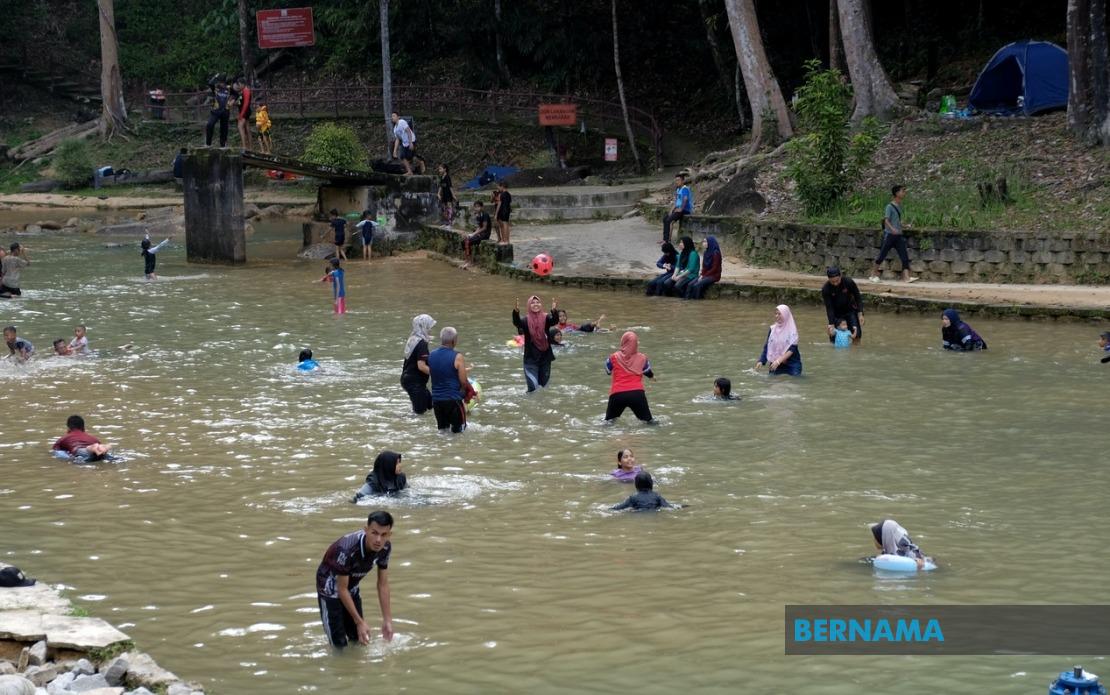
The Pahang State Health Department (JKNP) has launched a formal investigation into allegations that multiple visitors fell ill with diarrhoea, vomiting and fever after using a river at a popular recreational area adjacent to Bentong. The health authorities announced their findings on June 17, revealing that while initial assessments have been completed, laboratory results remain pending as the probe continues to gather evidence.
In their formal statement, JKNP indicated that a comprehensive risk assessment had already been performed at the affected location. Significantly, the department found no reports of food poisoning incidents or any unusual spike in acute gastroenteritis (AGE) cases through standard disease surveillance channels operated by health facilities across Pahang. This distinction is important for public understanding—while visitors reported symptoms, the health system has not detected a broader outbreak pattern that would typically accompany a confirmed contamination event.
The investigation has extended to environmental sampling, with water specimens collected from multiple points along Sungai Benus in Janda Baik on June 14. These samples underwent microbiological analysis to detect the presence of pathogens commonly responsible for waterborne illnesses. However, the laboratory results remain outstanding, meaning definitive conclusions about water quality and potential contamination sources cannot yet be drawn. This testing phase represents a critical juncture in determining whether environmental factors contributed to visitors' illnesses.
JKNP has implemented a multi-pronged response strategy designed to identify affected individuals, trace the sources of exposure, and understand what risk factors may have played a role. The department has simultaneously enhanced disease surveillance at government and private health facilities in surrounding areas, enabling rapid detection of any clusters of AGE cases that might share epidemiological connections to the Bentong incident. This proactive approach reflects standard public health protocol for investigating potential waterborne disease outbreaks in recreational settings.
Parallel to the epidemiological investigation, JKNP is collaborating with other relevant agencies to conduct thorough water quality assessments and pinpoint any pollution sources affecting the recreational area. This collaborative effort is essential, as water contamination can originate from multiple upstream sources—including inadequate sewage treatment, agricultural runoff, or wildlife impacts—that require coordinated investigation across jurisdictions and sectors.
For Malaysian visitors to river recreation sites, the implications of this incident underscore the importance of understanding hygiene risks associated with natural water bodies, particularly during monsoon seasons when water quality can be compromised. While authorities work to establish whether this specific incident involves confirmed cases, the occurrence illustrates why visitors experiencing gastrointestinal symptoms following water recreation should seek medical evaluation promptly rather than assuming symptoms will resolve independently.
The health department has issued guidance specifically targeting operators of recreational facilities and accommodations in the region. These businesses must ensure sanitation infrastructure, potable water supplies, and sewage management systems meet public health standards and are regularly maintained. Facility operators bear significant responsibility in preventing environmental conditions that facilitate the spread of waterborne diseases, making compliance with health regulations not merely a legal obligation but a public safety imperative.
For Southeast Asian context, this investigation reflects broader regional challenges with waterborne disease management in recreational areas. Countries across the region regularly encounter AGE outbreaks linked to inadequate water treatment or environmental sanitation, particularly during wet seasons when bacterial and viral pathogens proliferate in natural water bodies. Malaysia's response, emphasizing rapid surveillance enhancement and collaborative investigation, represents established best practice for containing potential public health threats before they escalate into larger outbreaks.
The Ministry of Health has committed to ongoing monitoring and promised regular updates as laboratory analyses conclude and epidemiological investigations progress. Public health authorities have simultaneously cautioned against speculation that could unnecessarily alarm residents, encouraging citizens to rely exclusively on official MOH channels for accurate, verified information regarding this incident. This approach balances the legitimate public interest in knowing about potential health risks with the need to prevent panic based on unconfirmed reports.
The distinction between reported visitor symptoms and confirmed outbreak cases remains crucial. While several individuals experienced gastrointestinal illness following water recreation, JKNP has not yet established a definitive epidemiological link between the recreational activity and illness onset, nor has water contamination been confirmed. These early findings suggest the situation, while requiring careful monitoring, does not currently indicate an established public health emergency at the Bentong site. Nevertheless, the investigation's continuation underscores authorities' commitment to protecting visitor safety at recreational facilities, a responsibility that transcends immediate incident management.

