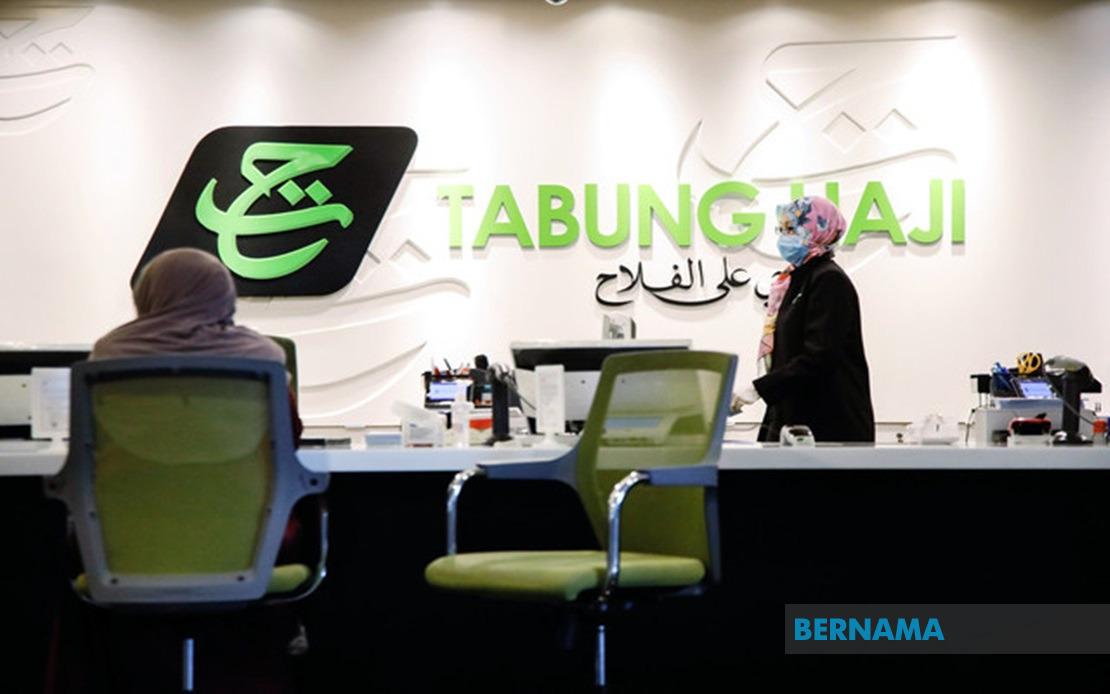
The Pakatan Harapan coalition has intensified pressure on the government to move decisively on the findings of the Royal Commission of Inquiry into Lembaga Tabung Haji, demanding swift prosecution of those implicated in misconduct and comprehensive reforms to prevent future abuses of the pilgrim fund. Speaking in Seremban on July 30, PH Election Department Secretariat chief Saifuddin Shafi Muhammad emphasised that restoring public confidence in the institution must be the administration's immediate priority, warning that the trust of Malaysia's nine million Tabung Haji depositors hangs in the balance.
The urgency of PH's stance reflects deeper anxieties within the opposition about governance standards at state-linked institutions entrusted with Muslim Malaysians' life savings. Saifuddin stressed that any evidence of wrongdoing must result in legal consequences without exception, framing accountability as essential to preserving the sacred nature of depositors' contributions. He argued that the pilgrim fund represents far more than a financial repository—it embodies the sacred trust that Malaysian Muslims have placed in their government to manage resources intended for one of Islam's five pillars.
PH's criticism, however, was measured by explicit acknowledgment of the current administration's transparency. The coalition commended Prime Minister Datuk Seri Anwar Ibrahim's government for declassifying and publicly releasing the 211-page RCI report, which examines Tabung Haji's management and operations between 2014 and 2020. This decision to make the findings public, facilitated by Communications Minister Datuk Seri Fahmi Fadzil's Cabinet announcement and subsequent publication via the Department of Islamic Development Malaysia's website, represents a stark departure from earlier opacity surrounding the institution's difficulties.
The timing of the RCI report's release carries political significance across Malaysia's fractious opposition landscape. By releasing a document that catalogues institutional failures during the previous administration's tenure, the current government provides a tacit acknowledgment that problems existed under prior management—a subtle but significant positioning ahead of potential future electoral contests. For PH, citing the report's findings allows the coalition to maintain pressure on governance issues while appearing constructive rather than merely obstructionist.
Despite PH's critical tone, the statement also highlighted substantial progress already achieved under Anwar Ibrahim's administration. Saifuddin noted that 75 per cent of the RCI's recommendations have been implemented, suggesting that institutional reform is already underway. More tangibly, Tabung Haji's financial position has improved markedly, with assets now exceeding liabilities—a reversal of the precarious balance that prompted the RCI inquiry. The fund's ability to declare a 3.5 per cent dividend for 2025 demonstrates that recovery is not merely bureaucratic but reflected in benefits reaching depositors' accounts.
Among the reforms already implemented, the prohibition on politicians holding positions within Tabung Haji and its subsidiaries stands as particularly significant. This measures directly addresses conflicts of interest that characterised earlier decades when political patronage influenced institutional decision-making. The reform reflects a broader shift in Malaysian governance toward compartmentalising political and administrative functions, though implementation challenges at various government agencies remain evident.
Saifuddin's call for further strengthening of governance mechanisms and enhanced independence for oversight bodies suggests that PH views the current reforms as incomplete. The coalition appears concerned that administrative safeguards alone may prove insufficient without structural independence that insulates the institution from political interference or departmental pressure. This perspective reflects lessons from earlier institutional failures across Southeast Asia, where nominally autonomous bodies ultimately answered to political masters.
The 2014-2020 period examined by the RCI encompassed Tabung Haji's most difficult years, when the institution faced significant financial stress and governance controversies that shook depositor confidence. The RCI's focus on this specific window allows clarity about what went wrong without examining the entire institutional history, though critics have questioned whether this temporal limitation obscures longer-standing systemic weaknesses.
For Malaysian depositors, the convergence of RCI findings, demonstrated financial recovery, and political commitment to reform offers some reassurance. Yet PH's insistence on prosecution of wrongdoers suggests that the coalition views transparency and financial recovery as incomplete without accountability. This emphasis reflects broader regional trends in Southeast Asian governance where anti-corruption initiatives increasingly demand personal culpability for institutional failures.
The political dynamics underlying PH's statement warrant consideration. By coupling praise for transparency with demands for prosecution, the coalition positions itself as both supportive of good governance and vigilant against insufficient accountability. This tightrope reflects the difficult position of Malaysian opposition parties seeking to criticize government performance while acknowledging genuine improvements, a calculus that shapes how opposition parties frame institutional critiques.
Looking forward, the extent to which the government follows through on prosecutions related to Tabung Haji misconduct will substantially influence whether PH's characterisation of restored confidence proves accurate. Malaysia's track record with prosecuting white-collar institutional wrongdoing has been inconsistent, and depositors remain acutely aware that financial recovery alone does not address questions of personal accountability for those who mismanaged their savings.
The Tabung Haji case ultimately represents a microcosm of broader challenges facing Malaysian institutional governance—the need to balance bureaucratic efficiency with political oversight, to maintain sectarian institutions without allowing sectarian politics to dominate decision-making, and to recover from institutional failure while maintaining public confidence in reformed structures. PH's call for swift action reflects recognition that the window for demonstrating genuine commitment to reform narrows as memories of crisis fade and new controversies inevitably emerge.

