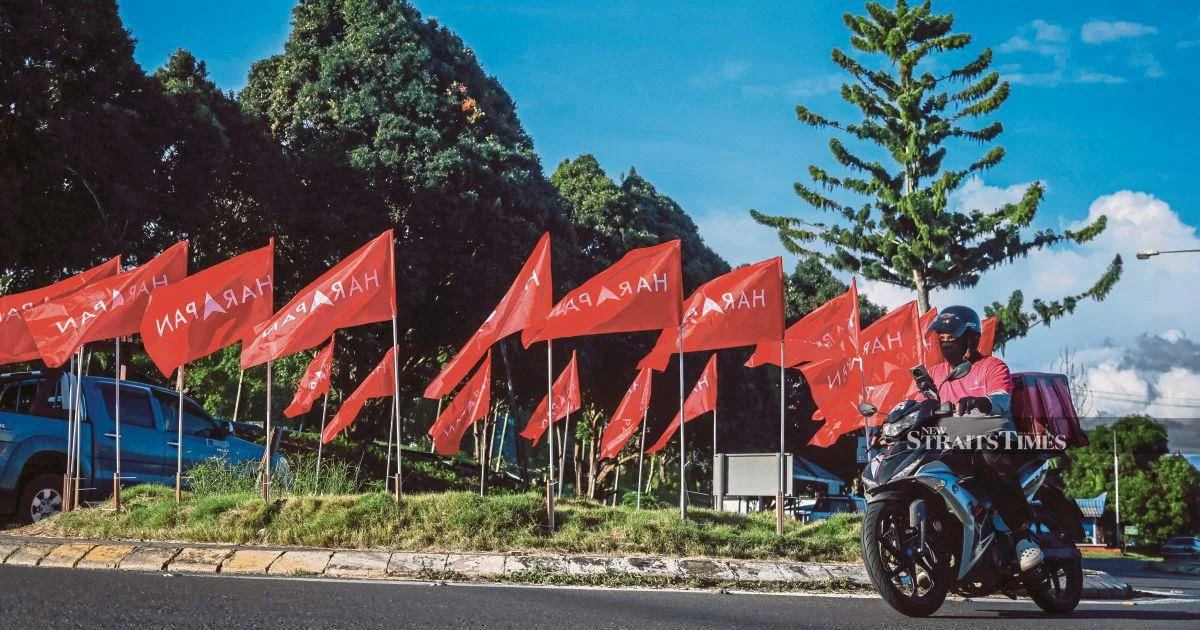
Pakatan Harapan indicated in Johor Baru that it will proceed according to its own strategic calendar rather than yield to demands from opposition parties keen to force an early announcement of its menteri besar candidate for the 16th Johor state election. The coalition's measured approach reflects a broader calculation about timing and political advantage in what promises to be a closely contested electoral battle in Malaysia's southern powerhouse.
The reluctance to name a leader prematurely suggests Pakatan Harapan is mindful of the risks that accompany early declarations. Once a candidate emerges as the official face of a coalition's campaign, that individual becomes the focus of sustained scrutiny and opposition attacks for months beforehand. In Johor, where political dynamics remain fluid and the balance between Pakatan Harapan, Barisan Nasional, and Perikatan Nasional remains delicately poised, premature exposure could allow rivals to define the narrative around the chosen candidate before the coalition's campaign machinery has properly mobilized.
Johor represents one of Malaysia's most strategically significant state battlegrounds. The state has historically been a Barisan Nasional stronghold, though Pakatan Harapan's performance in recent national elections demonstrates its capacity to compete across the peninsula. A Pakatan Harapan victory in Johor would reshape the political landscape significantly, validating the coalition's broader electoral strategy and providing momentum heading into subsequent contests. Conversely, a loss would reinforce questions about whether the coalition can move beyond its traditional support bases in urban and younger demographic segments.
The decision to maintain flexibility around the menteri besar selection also protects Pakatan Harapan from internal divisions that could surface prematurely. Coalition partners within Pakatan Harapan—including the Democratic Action Party, Amanah, and potentially others—may hold differing preferences regarding the ideal candidate profile. By deferring the announcement, the coalition buys time to manage these internal negotiations while presenting a united front publicly. Rushing into a decision could expose fault lines within the alliance before party unity messaging can be properly established.
Opposition pressure to force an early announcement reflects both tactical opportunism and genuine concern about the election timeline. By pushing Pakatan Harapan to name a candidate ahead of schedule, rivals hope to capitalize on any candidate vulnerabilities that emerge through extended exposure. Additionally, the opposition may calculate that maintaining uncertainty around Pakatan Harapan's leadership positioning creates space for its own narratives about internal weakness or indecision to take root among undecided voters.
The 16th Johor election carries implications extending well beyond state administration. Control of Johor provides symbolic importance as one of Malaysia's historically most influential states and practical advantages including command of substantial state resources and appointments. For Pakatan Harapan, success would demonstrate that the coalition remains electorally competitive outside its core urban strongholds. For Barisan Nasional, maintaining Johor would affirm its continued viability as a regional political force despite losses elsewhere.
Packatan Harapan's approach also reflects broader learning from recent electoral contests where timing and narrative control have proven decisive. The coalition appears to recognize that disciplined messaging and strategic revelation of candidate information, rather than reactive disclosures forced by opponent pressure, ultimately serves coalition interests more effectively. Malaysian voters have become increasingly sophisticated in parsing political signals, and premature announcements often generate premature fatigue with campaign messaging.
The coalition's stance sends a clear signal that it will not allow adversaries to dictate the rhythm of its campaign preparation. This assertiveness may appeal to supporters who prefer seeing their preferred coalition play political chess rather than merely respond to rival provocations. Demonstrating strategic independence and confidence resonates with voters seeking evidence that their chosen political team possesses discipline and foresight.
Looking ahead, Pakatan Harapan's eventual menteri besar announcement will occur within the coalition's preferred temporal framework, presumably closer to the actual election date when campaign intensity naturally peaks. This approach maximizes the candidate's visibility during the critical campaign period while minimizing the duration of opposition attacks and media scrutiny. The coalition's willingness to withstand current pressure suggests confidence that its selection process will ultimately yield a candidate capable of competing effectively regardless of advance positioning by rivals.
The broader lesson for Malaysian politics is that electoral timing and information release strategies matter considerably. Pakatan Harapan's refusal to be stampeded into premature declarations reflects a maturation in Malaysian coalition politics, where flexibility and strategic patience often outweigh the perceived benefits of rapid action. For voters, the coming months will reveal whether this deliberate approach yields genuine electoral advantages or merely postpones inevitable controversies around the menteri besar choice.

