The Malaysian Association of Employment Agencies (PAPA) has unveiled an insurance programme designed to bridge a longstanding protection gap affecting both domestic workers and the employers who hire them across the country. Developed in partnership with GMAT Sdn Bhd and Allianz Malaysia, the initiative addresses fundamental vulnerabilities in Malaysia's domestic employment landscape where workers operate largely outside formal safety nets and employers face substantial financial exposure once initial guarantee periods expire.
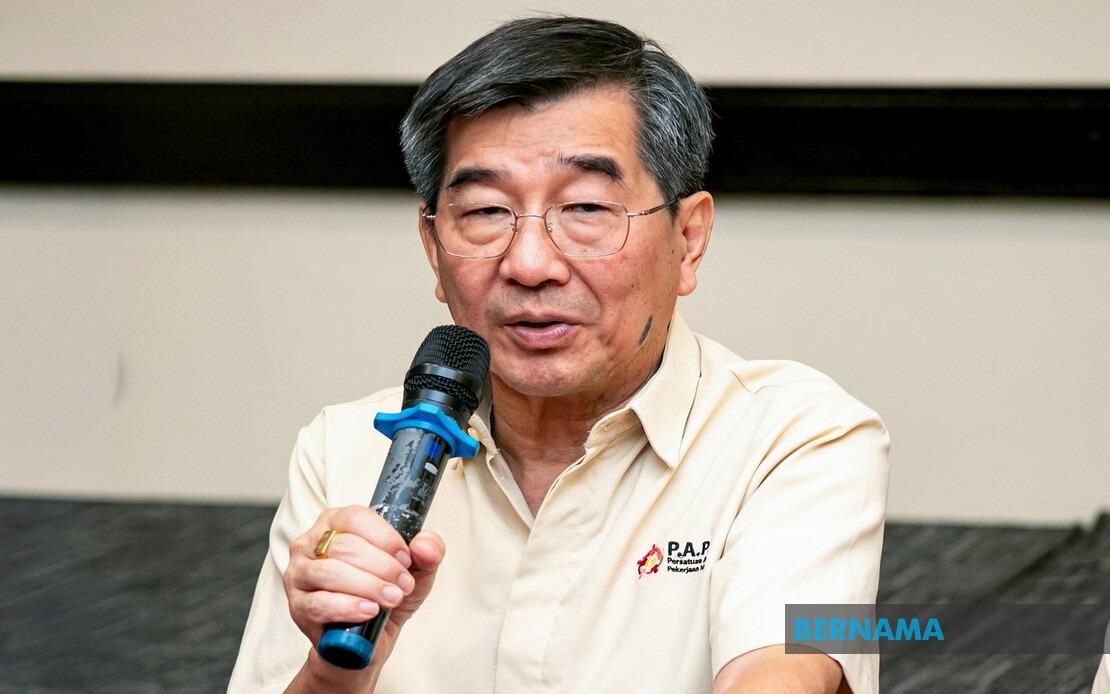
PAPA president Datuk Foo Yong Hooi explained that the new policy tackles a critical structural problem within the domestic worker recruitment system. Typically, employers receive a guarantee period ranging from three to six months following placement; once this window closes, they assume complete financial responsibility for any losses arising from worker departure or incapacity. This arrangement has left Malaysian households and businesses vulnerable to sudden, substantial costs that current regulatory frameworks fail to address.
Under the programme's terms, employers receive RM5,000 in compensation if a domestic worker absconds during the insured period, providing meaningful assistance toward the expenses associated with recruiting and placing a replacement. This benefit applies primarily during the initial contract year, recognised as the highest-risk phase when worker adjustment issues and dissatisfaction tend to materialise. From the second year onward, this specific abscondment protection lapses, though other coverage elements remain active, establishing a tiered approach aligned with actual risk patterns.
Beyond abscondment protection, the scheme extends hospitalisation and surgical coverage to domestic workers themselves, a significant development given their typical exclusion from comprehensive medical protection. The policy encompasses both work-related injuries and general illnesses, marking a departure from conventional arrangements where domestic employees receive minimal health security. Workers certified as medically unfit for duty qualify for weekly compensation extending up to twelve weeks, providing income support during recovery periods. The scheme also extends limited assistance for essential document losses, such as passport replacement, a practical provision addressing a genuine hardship faced by migrant workers.
The introduction of illness-related medical coverage addresses a documented problem within Malaysia's domestic employment sector. Domestic workers have historically remained classified as informal workers, rendering them ineligible for coverage under the Social Security Organisation (PERKESO), which restricts itself to work-related accidents and injuries. Datuk Foo highlighted cases where pre-existing medical conditions only surfaced after employment commenced, imposing unexpected financial strain on employers unfamiliar with such scenarios. The new insurance structure redistributes this burden, allowing employers to offset costs whilst ensuring workers receive necessary medical intervention without delay.
This programme represents a significant evolution from previous abscondment-focused policies attempted two decades earlier, which were ultimately discontinued due to fraudulent claims undermining the scheme's sustainability. The current initiative benefits from enhanced design measures and a broader scope encompassing multiple risk categories rather than relying on a single coverage element vulnerable to gaming. Industry stakeholders recognised the need for a more sophisticated product reflecting contemporary challenges within the domestic employment relationship.
Allianz Malaysia's involvement brings substantial underwriting capacity and claims management infrastructure to the arrangement. GMAT Sdn Bhd chief executive M. Marimuthu noted that the policy allows online purchase for convenience, whilst reimbursement for hospitalisation and surgical expenses at private hospitals proceeds subject to specified limits, balancing comprehensive protection with commercial viability. This digital accessibility represents an important modernisation, particularly relevant to Malaysian employers increasingly comfortable conducting transactions online.
Whilst initially positioned for PAPA members, the programme remains available to other employers maintaining domestic workers, expanding its potential impact across Malaysia's employment landscape. This openness reflects industry recognition that the protection gap affects employers broadly, transcending association membership. The deliberate positioning acknowledges both the organised recruitment sector represented by PAPA and the substantial informal hiring channels through which many Malaysian households engage domestic assistance.
The timing of this initiative aligns with broader regional attention to domestic worker welfare and employment protection. Malaysia, as a significant destination for domestic workers from neighbouring countries, faces ongoing scrutiny regarding employment standards and worker safety. Enhancing insurance coverage and employer accountability mechanisms strengthens the country's positioning as a responsible employer nation, potentially addressing concerns raised by labour-sending countries and international advocacy organisations monitoring worker conditions.
For Malaysian employers, this scheme offers meaningful risk mitigation during the vulnerable early employment period whilst maintaining protection during subsequent years. The transition from abscondment coverage to ongoing accident and illness protection reflects pragmatic recognition that worker stability concerns diminish over time, replaced by genuine health and welfare considerations. The inclusion of hospitalisation benefits at private facilities addresses accessibility issues, ensuring domestic workers receive timely medical attention without requiring employer negotiation with public healthcare systems often burdened by capacity constraints.
The broader implications extend to formalising aspects of Malaysia's domestic employment sector traditionally characterised by informal arrangements and limited regulatory oversight. Insurance products inherently require standardised terms, documentation, and claims procedures, introducing systematic oversight and professional management into relationships previously governed by individual negotiation and goodwill. This gradual formalisation may encourage greater compliance with employment standards and establish clearer expectations for both parties.
Looking forward, the programme's performance will demonstrate whether market-based solutions effectively address protection gaps that regulatory approaches have failed to resolve. If successfully adopted, this model could influence policy discussions around expanding social protection to informal workers more broadly, extending beyond domestic employment to other precarious occupations. The scheme's success depends on uptake among employers and claims handling that maintains insurer confidence whilst delivering promised benefits when workers require assistance.

