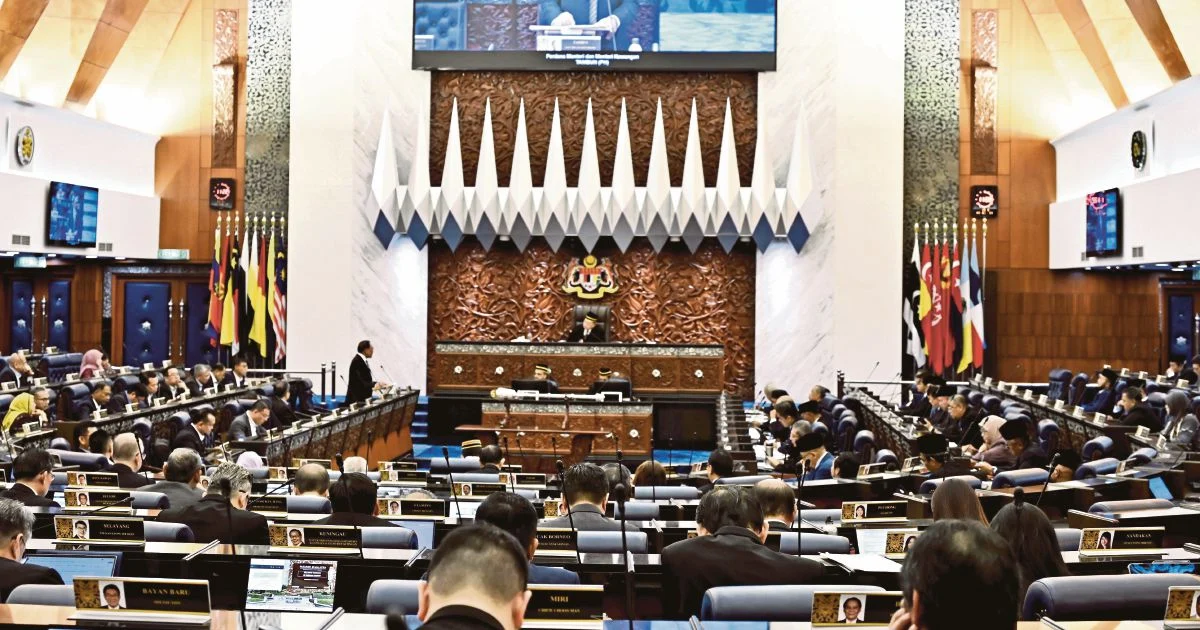
Tempers flared in the Dewan Rakyat this morning within an hour of the parliamentary sitting commencing, as tensions between government and opposition lawmakers boiled over into accusations concerning internal coalition dynamics. The confrontation centred on allegations that the opposition leader's status was being mishandled, escalating quickly into a bitter exchange that illustrated the fractious nature of current parliamentary relations and deeper rifts within Malaysia's political establishment.
The dispute appears to have been triggered by opposition concerns regarding how the government has been managing perceptions around leadership within the ruling coalition. These exchanges underscore the precarious balance that characterises Malaysian parliamentary politics, where coalition partners must navigate competing interests while maintaining legislative stability. The fact that such disputes emerge so readily and with such intensity reflects underlying tensions that extend beyond mere procedural disagreements.
For Malaysian observers, these confrontations carry significance beyond the immediate parliamentary theatre. The apparent friction between PAS and Bersatu—two key components of the current ruling arrangement—suggests strains within the governmental framework that could have implications for policy implementation and legislative effectiveness. The willingness of government MPs to engage in heated exchanges with opposition members over these internal coalition matters indicates that unity within the ruling partnership may not be as solid as desired for efficient governance.
The timing of such tensions is noteworthy, occurring just as a new parliamentary session opened. This suggests that underlying grievances have accumulated and that lawmakers on both sides came into the chamber ready for confrontation rather than constructive engagement. The immediate eruption of disputes within the first hour indicates these are not minor procedural matters but rather reflect genuine disagreements about political direction and coalition cohesion.
For Southeast Asian context, Malaysia's parliamentary dynamics matter significantly to regional political observers. The region watches closely how Malaysia manages coalition politics, as these arrangements have become increasingly common across Southeast Asia. The visible strain between government coalition partners provides a cautionary example of how such arrangements can become sources of instability rather than strength. When coalition members must publicly defend their positions through heated parliamentary exchanges, questions arise about the effectiveness and longevity of such partnerships.
The opposition's apparent focus on exposing divisions within the ruling coalition represents a strategic approach to parliamentary opposition. Rather than simply presenting alternative policies, opposition members are attempting to highlight governmental vulnerabilities by drawing attention to partner tensions. This tactical choice suggests they view internal coalition friction as a more promising avenue for gaining political advantage than traditional policy debates.
From a governance perspective, these parliamentary eruptions raise questions about the allocation of government focus and attention. When significant parliamentary time and energy is devoted to intra-coalition disputes rather than substantive policy discussions, the capacity of parliament to fulfil its legislative and oversight functions becomes diminished. Malaysian lawmakers and the broader public deserve parliamentary proceedings that prioritise the nation's pressing issues rather than internal political positioning.
The specific allegations regarding PAS's approach towards Bersatu warrant careful scrutiny, as they touch upon questions of fairness within coalition arrangements and whether partner parties receive equitable treatment in resource allocation, ministerial positions, and policy influence. If legitimate concerns exist about one coalition partner dominating or marginalising another, these issues require transparent resolution rather than public parliamentary confrontation, as the latter damages overall governance capacity.
Moving forward, parliament will need to establish clearer norms for handling internal coalition disputes. When government coalition partners have disagreements, airing them through heated parliamentary exchanges creates an impression of disunity that undermines public confidence in the administration. More constructive mechanisms for resolving such tensions behind closed doors would serve the national interest better than allowing parliamentary proceedings to become forums for intra-coalition warfare.
For Malaysian citizens, these parliamentary moments reveal important truths about how their elected representatives conduct themselves and manage competing interests. The frequency and intensity of such exchanges suggest that current coalition arrangements may require recalibration to function more smoothly. Strong, stable government requires not just legislative majorities but also genuine cooperation among coalition partners—something that today's heated exchanges suggest remains elusive.
The broader implication is that Malaysia's political leadership across all parties needs to recommit to elevated standards of parliamentary conduct. While robust debate and opposition scrutiny remain essential to democracy, the tone and substance of parliamentary exchanges should reflect commitment to addressing national interests rather than maximising tactical advantage. Today's eruption serves as a reminder that Malaysia's democracy functions best when lawmakers prioritise serious governance over theatrical confrontation.