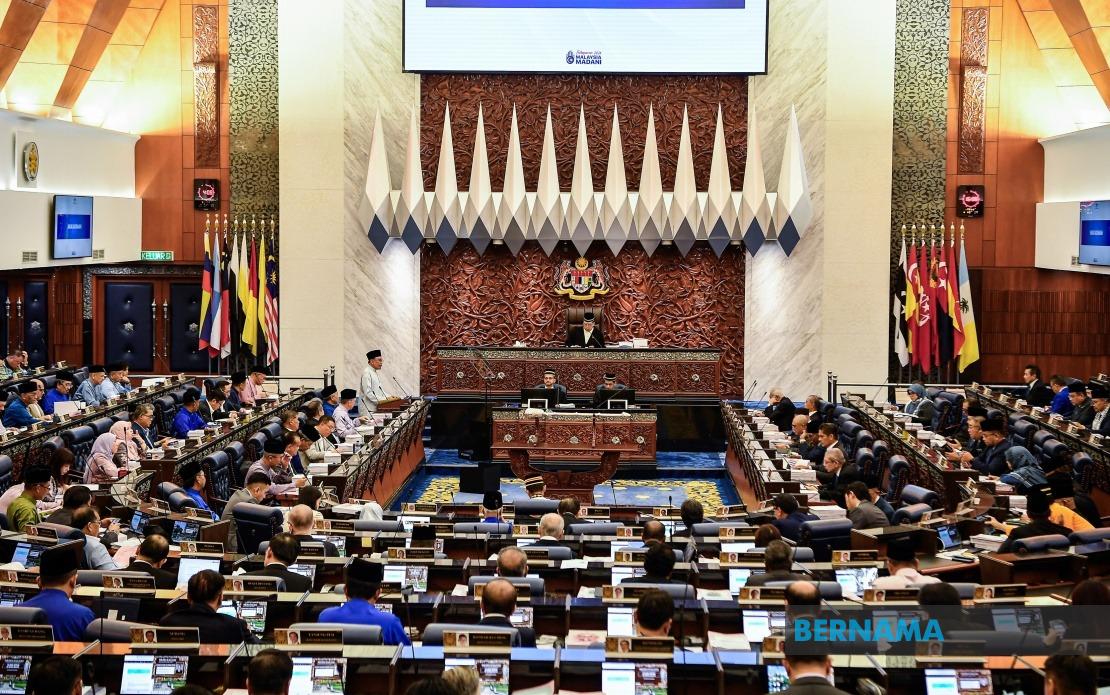
Malaysia has taken a significant step in modernising its digital crime legislation with the Dewan Rakyat's passage of the Cybercrimes Bill 2026 on July 1. The comprehensive 61-clause legislation emerged from robust parliamentary debate involving 48 government and opposition MPs, reflecting broad consensus on the need for updated cybercrime provisions in an increasingly digital society. The Bill's approval by majority voice vote marks a watershed moment for the country's approach to online criminal activity, particularly offences involving deepfakes and the distribution of digitally manipulated intimate images created through sophisticated computer technology.
The timing of this legislative development reflects growing regional and global concerns about the misuse of artificial intelligence and digital tools to harm individuals, particularly women. Malaysia joins a growing number of countries grappling with how to regulate technology-enabled abuse while maintaining democratic freedoms and constitutional protections. The Cybercrimes Bill 2026 attempts to strike this delicate balance by establishing clear criminal offences and penalties whilst simultaneously constraining governmental authority through multiple oversight mechanisms.
Deputy Prime Minister Datuk Seri Dr Ahmad Zahid Hamidi's presentation of the Bill's safeguards proved crucial in garnering parliamentary support. He emphasised that the legislation operates within existing legal frameworks rather than creating sweeping new powers for enforcement agencies. The Bill explicitly does not supersede foundational laws such as the Official Secrets Act 1972, a reassurance addressing concerns that cybercrime legislation could become a tool for political suppression. Instead, the framework relies on checks and balances embedded within its provisions to ensure that investigative powers remain proportionate and subject to judicial oversight.
A particularly important protection concerns the access of computer systems and data. Rather than granting authorities unfettered investigative powers, the Bill prescribes strict procedural requirements that must be followed before any data access occurs. This approach reflects international best practices in cybercrime legislation, where many democracies have learned that unrestricted investigative authority often leads to mission creep and potential abuse. The emphasis on procedure-based controls means that individual citizens and organisations retain meaningful recourse when their digital privacy is threatened.
The preservation of computer data represents another critical area where the Bill constrains government action through procedural requirements. According to Dr Ahmad Zahid Hamidi's statements, an investigating officer cannot simply order the preservation of data without justification. Instead, the officer must first satisfy themselves that the data is genuinely necessary for a specific investigation and that there exists a genuine risk of the data being deleted, altered, or destroyed without immediate intervention. This requirement prevents the arbitrary preservation of data simply because it might prove useful in future investigations, a practice that could chill digital freedom and innovation.
Disclosure of computer data to investigating authorities faces similarly stringent requirements under the Bill's framework. The legislation mandates that any disclosure must occur through a formal written notice directed to the person or organisation controlling the data. Crucially, this disclosure can only happen in the context of lawful investigations meeting specific legal criteria. This approach differs significantly from broader data-sharing regimes in some jurisdictions, where private company cooperation with investigations occurs through less transparent informal channels. By requiring written notices and maintaining explicit connections to legitimate investigations, the Bill creates an audit trail and reduces opportunities for overreach.
The 61-clause structure of the Bill demonstrates the complexity involved in legislating against cyber offences. Rather than adopting a single broad prohibition against "cybercrime," the legislation addresses specific categories of digital offences with tailored definitions and penalties. This granular approach allows prosecutors to charge conduct according to its precise nature whilst also providing clarity to the public about which digital activities cross into criminality. For Malaysian technology companies and internet service providers, the detailed clause structure provides clearer guidance about compliance obligations compared to vaguer legislation.
The inclusion of deepfakes and digitally manipulated intimate imagery as specific offences represents a significant evolution in Malaysian criminal law. These technologies, which barely existed a decade ago, can cause profound harm to victims through reputational damage, psychological trauma, and in some cases physical danger. By naming these harms explicitly in legislation, Malaysia acknowledges that technological advancement sometimes outpaces the law's ability to protect vulnerable people. The targeted approach also sends a clear signal that the government considers such abuse a serious matter warranting criminal penalties rather than civil remedies alone.
For Southeast Asian observers, the Cybercrimes Bill 2026 offers a model of how to address modern digital crimes whilst maintaining democratic safeguards. The region faces intense pressure from both authoritarian impulses and genuine security threats in the digital realm. Malaysia's approach, emphasising procedural constraints and existing legal frameworks rather than new executive powers, demonstrates that effective cybercrime legislation need not sacrifice fundamental freedoms. The Bill's passage through a genuinely debated parliamentary process involving multiple perspectives also matters, distinguishing it from rushed security legislation in some neighbouring jurisdictions.
The implications for Malaysian citizens and businesses extend beyond the immediate scope of the Bill's criminal provisions. The legislation establishes clear expectations about what constitutes illegal online conduct, allowing individuals and organisations to make informed decisions about their digital behaviour. Technology companies operating in Malaysia can now calibrate their content moderation and data protection policies with reference to specific statutory standards. Educational institutions can incorporate the Bill's provisions into digital literacy curricula, helping young people understand both the capabilities of modern technology and the legal boundaries that constrain its misuse.
Looking forward, the Cybercrimes Bill 2026 will require careful implementation to realise its protective potential whilst avoiding the overreach that has plagued cybercrime legislation in other countries. The bill's success will ultimately depend on how investigating agencies interpret and apply its procedural safeguards, whether courts rigorously scrutinise government requests for data access, and whether the public maintains vigilance against gradual erosion of the protections the Bill provides. The legislation represents a necessary step in adapting Malaysian law to digital reality, but remains just one element of a broader ecosystem that must include technical literacy, ethical technology design, and genuine commitment to protecting privacy.

