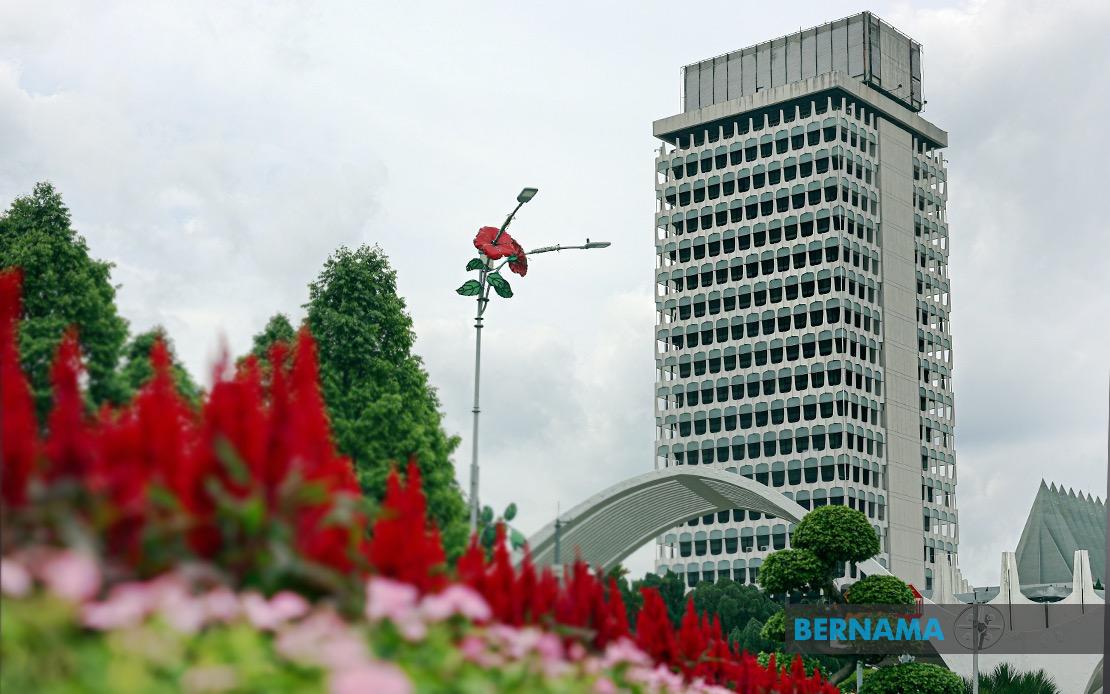
Connectivity issues, mounting energy expenditure amid regional geopolitical pressures, and gaps in oversight of maternity facilities dominated the parliamentary agenda when legislators convened in Kuala Lumpur on July 15. The Dewan Rakyat's Order Paper revealed a slate of questions touching on critical infrastructure and fiscal vulnerabilities that increasingly preoccupy policymakers and constituents alike across the country.
A persistent technical problem has drawn parliamentary attention: consumers report that their mobile devices register full signal strength yet cannot access internet services reliably. Datuk Anyi Ngau from GPS-Baram sought to extract a detailed strategy from the Communications Minister regarding how the Malaysian Communications and Multimedia Commission plans to diagnose and resolve this paradoxical situation, which frustrates users who appear to have adequate coverage but experience functional blackouts. The issue reflects the growing disconnect between reported network capacity and actual service delivery, a concern that has rippled through complaints from both urban and rural constituencies.
Fuel subsidy management has emerged as a pressing fiscal concern as global petroleum markets remain volatile and regional instability compounds uncertainty. Mohd Syahir Che Sulaiman, representing Bachok under PN, queried the Finance Minister about government assessments of how the ongoing conflict in West Asia influences Malaysia's energy support programme. The inquiry probes whether escalating crude oil and petroleum product costs—driven partly by Middle Eastern turmoil—threaten to breach the government's current subsidy budget allocation and whether this overspend could jeopardise broader fiscal deficit targets for 2024. The question underscores a fundamental tension facing the administration: maintaining fuel price controls to shield households and businesses from inflation while managing a ballooning bill that competes with spending on health, education, and infrastructure.
Beyond energy economics, lawmakers examined support mechanisms for Malaysia's growing informal workforce. Jamaludin Yahya from Pasir Salak raised concerns about how self-employed individuals, petty traders, street vendors, and gig economy participants can access residential financing without the traditional income documentation that formal employment provides. The question highlights a structural gap in Malaysia's lending ecosystem: as the gig economy expands and conventional employment becomes less dominant, conventional mortgage criteria based on fixed salary evidence exclude a significant portion of economically active citizens from homeownership pathways. The Finance Minister faced pressure to outline concrete measures that might unlock credit access for this demographic through alternative verification methods.
Maternal health and confinement centre operations drew scrutiny regarding regulatory readiness and consumer protection. Yeo Bee Yin from Puchong questioned whether the Women, Family and Community Development Ministry had prepared to establish a comprehensive national framework and legislative apparatus to govern confinement centres, which provide postpartum care services but currently operate in a largely unregulated sector. The inquiry reflects broader concern about safety standards, hygiene protocols, and accountability mechanisms within facilities that serve vulnerable postpartum women, many of whom place significant trust and financial investment in these establishments. The absence of unified regulatory oversight creates risks for consumers and complicates government oversight of professional conduct.
Following the question-and-answer session, parliamentary business shifted to legislative matters. The Dewan Rakyat advanced two complementary Bills to their second reading: the Communications and Multimedia (Amendment) Bill 2026 and the Malaysian Communications and Multimedia Commission (Amendment) Bill 2026. Both measures had received first reading endorsement on July 13, and their progression to second reading signals parliamentary momentum toward updating the telecommunications regulatory framework. These Bills likely aim to strengthen MCMC's enforcement powers and modernise the statutory architecture governing digital infrastructure, potentially addressing technical standards and service quality obligations that relate to the connectivity grievances raised earlier in the session.
The current parliamentary sitting, extending across 16 days until July 16, provides legislators with sufficient time to deliberate substantive policy questions and advance legislative agendas across multiple sectors. The range of questions and Bills reflects the diverse challenges confronting Malaysian governance: infrastructure resilience, macroeconomic management, inclusive economic participation, and consumer protection. The emphasis on telecommunications and fuel subsidies particularly highlights how external shocks—whether geopolitical upheaval or technical system failures—can cascade into domestic policy crises that demand government attention and coordination across multiple ministries.
For Malaysian constituents and businesses, the day's parliamentary proceedings offered windows into how fiscal pressures, global uncertainty, and regulatory gaps shape economic opportunity and public service delivery. The fuel subsidy question indirectly signals how West Asia tensions reverberate through Malaysian household budgets and government finances, while the internet connectivity issue underscores that technological infrastructure requires ongoing vigilance and investment even in developed communications markets. The housing finance and confinement centre questions similarly reveal that as Malaysia's economy becomes more complex and diverse, regulatory and financial institutions must adapt to serve new worker categories and emerging service sectors.
The advancement of the telecommunications Bills suggests that policymakers recognize digital infrastructure as central to Malaysia's competitive positioning within Southeast Asia and the broader Indo-Pacific region. Upgrading MCMC's statutory framework may enhance Malaysia's ability to enforce service standards, encourage network investment, and respond more nimbly to technical challenges like the signal-strength paradox that had prompted parliamentary questioning. These legislative developments, combined with ongoing scrutiny of subsidy management and social policy, position Malaysia's parliament as an active arena where economic anxieties, governance gaps, and future-oriented policy initiatives collide and potentially generate reform.

