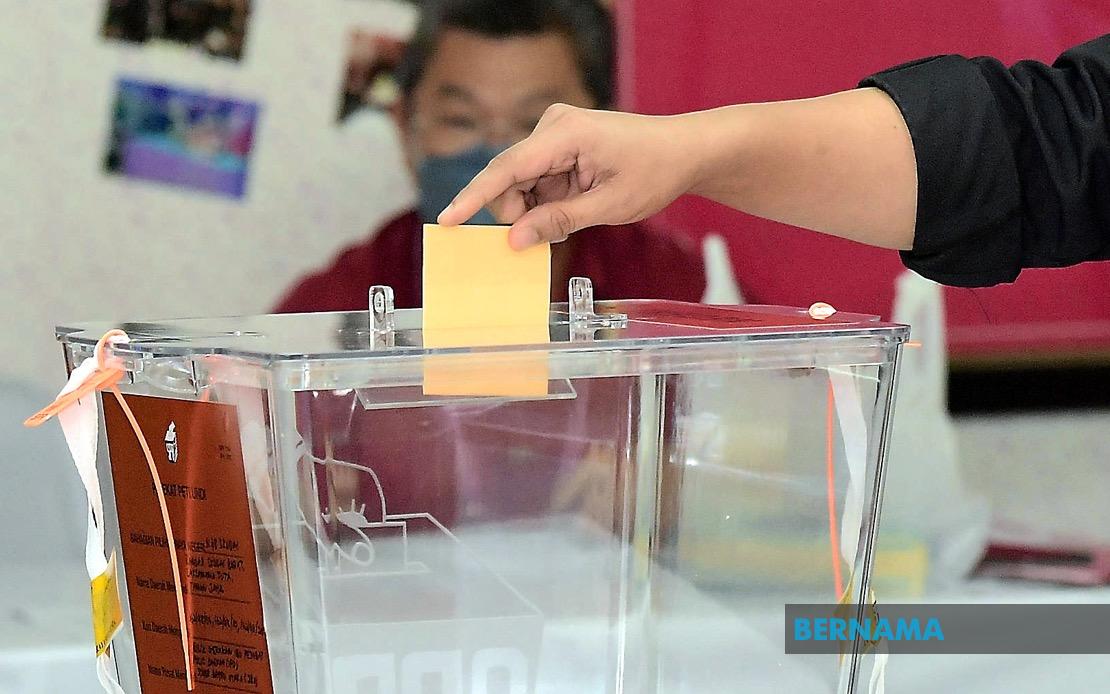
Johor's electorate has spoken decisively, and the political landscape of Malaysia's southern state will be shaped for years to come following results announced yesterday evening. The Pan-Malaysian Islamic Party (PAS), which contested the polls as part of the Perikatan Nasional coalition, has graciously acknowledged the democratic choice made by voters, signalling that Islamist politics in the state will refocus on preparation for the coming national contest rather than dwelling on disappointment.
In a measured response, Johor PAS commissioner Datuk Dr Mahfodz Mohamed extended formal congratulations to the triumphant Barisan Nasional coalition, which captured 29 of the 56 state assembly seats contested in the July 11 election. The decisive result provided Menteri Besar Datuk Onn Hafiz Ghazi's administration with a commanding mandate to govern, securing substantially more than the 29 seats needed for a simple majority. This outcome effectively reshapes the state's political dynamics and reaffirms the dominance of the traditional ruling coalition in peninsular Malaysia's heartland.
PAS's gracious acceptance reflects a strategic calculation within Perikatan Nasional circles. Rather than contesting the legitimacy of the result or retreating into recriminations, the party has signalled its intention to remain constructive and focused on broader objectives. The statement from Datuk Dr Mahfodz outlined the coalition's determination to continue its advocacy on matters of religion, ethnicity, and public welfare—core pillars of the Perikatan Nasional's political messaging. The emphasis on these traditional concerns suggests that the coalition views the Johor contest as merely one battle in a longer campaign, with the 16th General Election emerging as the true prize that will determine national direction.
The result carries particular significance for Perikatan Nasional's broader political trajectory. The coalition, which has undergone considerable strain and restructuring since its emergence as a national force, must demonstrate resilience and ability to compete effectively even after electoral setbacks. By maintaining party discipline and projecting confidence about future prospects, PAS and its allies hope to prevent the kind of internal fracturing that has historically weakened opposition blocs in Malaysia. The focus on preparation for the general election serves as a unifying message for party members who might otherwise grow demoralised.
Meanwhile, Bersatu's response indicated a more introspective approach to the disappointing showing. Secretary-general Datuk Seri Mohamed Azmin Ali announced that the party would undertake detailed analysis of what went wrong and what strategic adjustments might be necessary going forward. This suggests recognition that Bersatu, despite its national prominence and cabinet representation, faces structural challenges in translating national influence into state-level electoral success. The party's commitment to strategic refinement indicates it takes the Johor outcome seriously and will not simply assume that national positioning automatically translates to stronger regional performance.
The most striking narrative from the election's aftermath, however, emerges from Parti Bersama Malaysia, the nascent political vehicle founded by Datuk Seri Rafizi Ramli. The party's electoral performance was unambiguously disastrous: all 15 candidates forfeited their election deposits by failing to achieve the minimum vote threshold required to retain them. This represents a crushing debut for a political enterprise that had generated considerable media attention and optimism among reform-minded voters seeking an alternative to established parties. Yet Rafizi's response demonstrated either remarkable composure or strategic self-preservation through framing.
Rafizi positioned Bersama's failure as a learning experience rather than a fundamental rejection. His public statement acknowledged the disappointing outcome while attempting to extract positive lessons from the campaign process itself. With the party merely 52 days old at the time of the election, Rafizi argued that the experience and voter engagement, despite yielding no seats, contributed to party-building efforts. This reframing strategy suggests that the Bersama leadership recognizes the severity of the challenge it faces in establishing electoral credibility but remains committed to persistence rather than dissolution. The approach reflects confidence—or perhaps necessary optimism—that contemporary Malaysian politics retains space for new entrants despite structural advantages enjoyed by established parties.
The broader election results tell a more nuanced story than BN's headline majority suggests. Pakatan Harapan managed to win two seats, indicating that the opposition coalition retained some electoral appeal despite its recent national difficulties. The failure of several smaller parties and independent candidates to secure representation underscores the consolidated nature of Malaysian electoral competition, where substantial organisational resources and brand recognition prove essential to electoral success. The absence of any representation for MUDA, Parti Orang Asli Malaysia, or Parti Sosialis Malaysia despite their participation highlights how challenging it remains for new or niche political forces to break through.
For Malaysian readers accustomed to interpreting political developments through national lenses, the Johor election outcome carries implications extending well beyond the state's boundaries. The result demonstrates that Barisan Nasional, despite its loss of federal power in 2018 and subsequent vicissitudes, retains formidable organisational capacity and voter loyalty in heartland regions. This reinforces expectations that the 16th General Election will feature a genuinely competitive contest between experienced, well-resourced coalitions rather than a coronation of any single force. Johor's preference for continuity and established governance suggests that Malaysian voters, even in the absence of outright dissatisfaction, may demonstrate preference for familiar stewardship.
The reaction from losing coalitions and parties also illuminates the psychological and strategic adaptations required of Malaysian opposition and alternative political forces. PAS and Perikatan Nasional's dignified acceptance, Bersatu's commitment to strategic review, and Bersama's determination to extract learning from defeat all suggest that Malaysian political culture continues evolving toward more professional, institutionalised responses to electoral outcomes. Gone are the days when losing coalitions routinely questioned election legitimacy or descended into public recriminations. This maturation, while often proceeding unevenly and incompletely, represents a stabilising force for Malaysian democracy.
As political parties across the spectrum process the Johor results and adjust strategies accordingly, the broader question concerns how these adjustments will shape the general election contest. Perikatan Nasional's demonstrated ability to contest competitively despite electoral disappointment suggests it will remain a significant national force. Bersatu's apparent commitment to deeper analysis before undertaking major strategic shifts indicates it will not panic or splinter. The emergence of Bersama and its determination to persist despite a disastrous debut introduces wildcard elements into electoral calculations. Collectively, these responses suggest that Malaysian politics will feature continued flux and experimentation rather than settling into fixed configurations.

