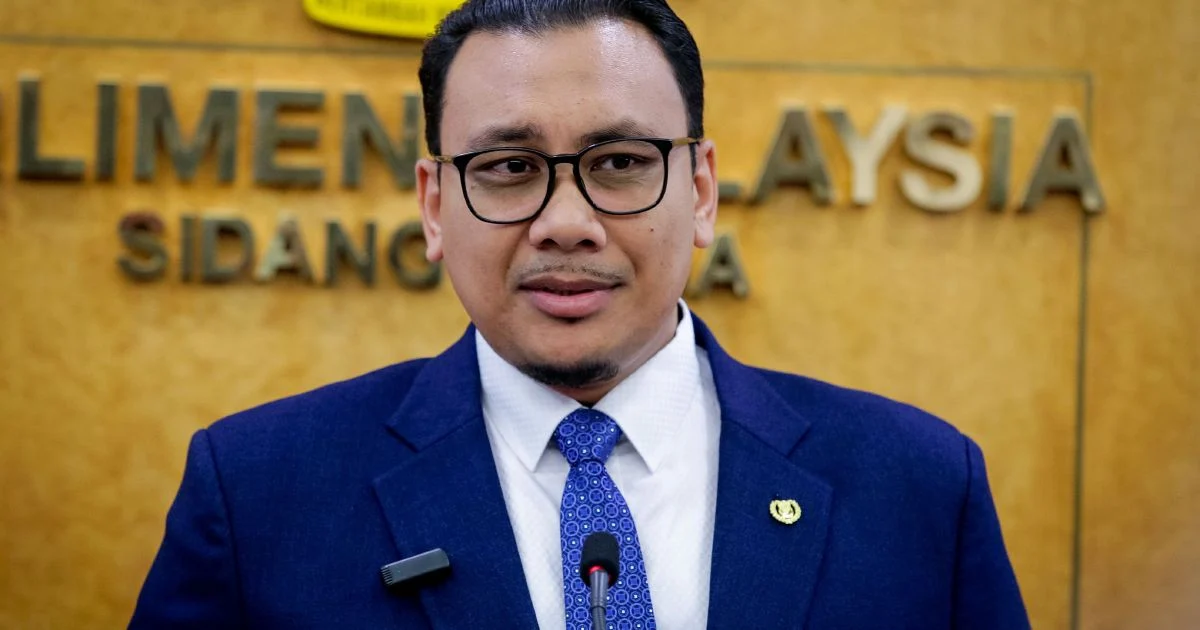
The leadership of PAS Youth has decided to escalate a social media dispute into the courts. Afnan Hamimi Taib Azamudden, who heads the youth wing of the Pan-Malaysian Islamic Party, has given his legal team instructions to commence proceedings following the circulation of a Facebook post that he claims contains derogatory comments targeting his father and household members. The decision marks an increasingly common trend among Malaysian politicians of resorting to litigation when faced with disparaging remarks on digital platforms.
The post in question has been attributed to a senior figure within Bersatu, the Malaysian United Indigenous Party led by former Prime Minister Mahathir Mohamad. While specific details regarding the content of the alleged insult remain limited, the complaint appears to stem from remarks made on the social networking platform Facebook, which continues to serve as a primary forum for political discourse in Malaysia despite the rise of other platforms like X and TikTok among younger audiences.
This incident reflects the ongoing tensions within Malaysia's coalition politics, particularly among parties that have previously collaborated or competed for influence. Bersatu and PAS have navigated a complex relationship over recent years, sometimes aligning on certain legislative matters while maintaining separate party identities and voter bases. The personal nature of this dispute—targeting a politician's family rather than addressing policy differences—suggests an escalation in rhetoric that extends beyond conventional political debate.
The decision to pursue legal remedies rather than respond through public statements or counter-posts indicates that Afnan Hamimi Taib Azamudden views the alleged insult as sufficiently serious to warrant formal judicial intervention. Malaysia's legal framework provides multiple avenues for individuals who believe they have been defamed or insulted, including provisions under the Penal Code and the potential filing of civil suits for damages. The choice to engage the courts may serve dual purposes: seeking formal redress while simultaneously amplifying the complaint through media coverage.
Social media discourse has become increasingly contentious in Malaysian politics, with various politicians and political actors regularly engaging in public disputes through Facebook, Twitter, and other platforms. The lack of immediate moderation and the algorithmic amplification of divisive content have created an environment where inflammatory remarks can spread rapidly before fact-checking or contextual nuance becomes available. This case demonstrates how such digital exchanges can transcend their online origins and become matters of formal legal concern.
The involvement of legal representatives signals that both parties are unlikely to resolve this matter through informal channels or apologies. Once lawyers are instructed to initiate proceedings, the trajectory typically follows formal legal procedures including filing complaints, gathering evidence, and potentially extended court proceedings. Such processes can consume considerable time and resources while keeping the dispute in public view through media reporting and court filings.
For PAS, which has positioned itself as the defender of Islamic principles and Malay-Muslim interests, responding firmly to perceived insults carries particular weight among its supporters. The party's youth wing, in particular, has sought to project an image of vigor and willingness to defend party honor and family reputation. By pursuing legal action rather than allowing such remarks to pass unchallenged, the PAS Youth leadership may be signaling to its base that it takes threats to its members' dignity seriously.
This development also carries implications for Bersatu and its positioning within Malaysian politics. The party has struggled to maintain relevance since the 2022 elections, when it failed to achieve significant electoral success despite Mahathir's prominence. Any legal disputes involving its members could further distract from efforts to rebuild organizational strength and reestablish political momentum, particularly as the nation approaches future electoral cycles.
The broader context of Malaysian political culture suggests that such disputes between coalition partners or rival parties, while occasionally handled through legal channels, remain relatively uncommon compared to public statements and counter-accusations. However, the growing personalization of political attacks—targeting individuals' families rather than their policies—appears to be shifting the calculus for some politicians regarding when legal intervention becomes warranted. This case may establish a precedent influencing how other political figures respond to social media insults in the future.
Regional observers of Malaysian politics will be watching to see how the courts handle such complaints, particularly regarding the balance between protecting individuals from genuine defamation and respecting the broad speech protections necessary for democratic discourse. The outcome could influence whether similar cases proliferate, potentially leading to increased litigation among political actors and shifting the nature of political competition from the public sphere to the courtroom.

