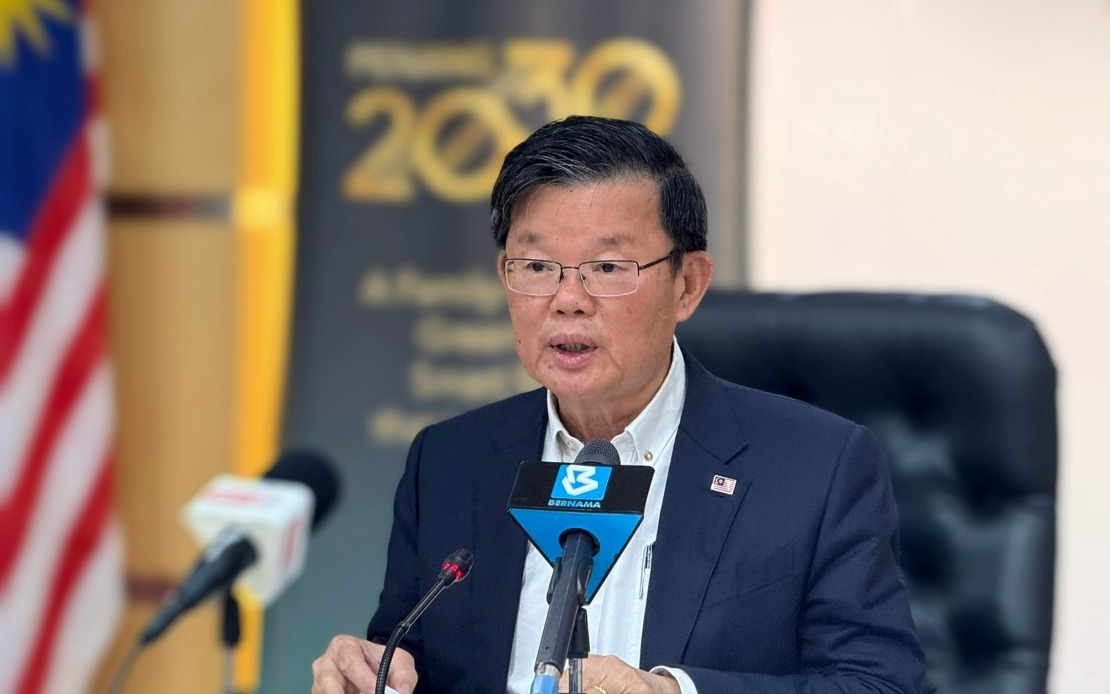
Penang's ruling Pakatan Harapan coalition is entering a critical phase of electoral preparation, with party leadership demanding comprehensive reviews from all subcommittees ahead of the next general election. Speaking at George Town today, Penang Chief Minister Chow Kon Yeow outlined a structured approach to strengthen the coalition's competitive position, requiring each committee to convene meetings and submit detailed progress assessments by early August. This move reflects the coalition's recognition that maintaining electoral dominance requires systematic evaluation of past performance and strategic recalibration.
The directive to conduct internal reviews encompasses a thorough examination of both organisational vulnerabilities and existing competitive advantages. Rather than adopting a defensive posture, Penang PH is taking a proactive stance by explicitly inviting constructive criticism from stakeholders and coalition members. Chow's emphasis on welcoming external feedback indicates a coalition attempting to position itself as responsive to public concerns while simultaneously consolidating its internal machinery. This approach suggests recognition that complacency following strong electoral performance could prove costly in future contests.
Penang's political landscape remains distinctive within Malaysia's broader coalition dynamics. The 2023 state election delivered PH and Barisan Nasional a commanding mandate, securing 29 of 40 available seats through a carefully calibrated Unity Government arrangement. Democratic Action Party captured all 19 seats it contested, while PKR secured seven seats and Amanah one, with BN contributing two seats to the coalition total. This distribution underscores DAP's organisational dominance in the state while highlighting the limited but meaningful roles of smaller coalition partners.
The stability claims emanating from the Chief Minister's office warrant careful examination within the Malaysian political context. Chow's assertion that no inter-party tensions exist and that all component parties maintain harmonious working relationships reflects the broader challenges facing Malaysia's coalition politics. The absence of reported disagreements should not be interpreted as absence of underlying tensions; rather, it may indicate successful compartmentalisation of potential friction points and effective political management at leadership levels. For Malaysian observers, such stability in Penang contrasts with volatility evident in other state coalitions.
The timing of this strategic review carries particular significance for national political calculations. With no imminent general election scheduled, PH's decision to conduct such thorough internal assessments suggests the coalition is neither complacent nor purely reactive to immediate electoral threats. Instead, Penang PH appears to be treating current circumstances as an opportunity for methodical strengthening of party machinery and candidate development. This forward-looking approach may serve as a model for other state-level PH organisations grappling with similar renewal challenges.
Chow's emphasis on reorganising strategies while building on existing strengths implies recognition that electoral politics increasingly demands sophisticated data analysis, targeted messaging, and grassroots engagement. The reference to addressing weaknesses and reinforcing advantages suggests PH is aware of specific areas requiring attention, though the Chief Minister did not publicly detail these concerns. In Penang's context, potential vulnerabilities might relate to demographic shifts in certain constituencies, erosion of support among particular voter segments, or organisational gaps in campaign execution.
The Unity Government framework in Penang presents both opportunities and constraints for PH's strategic planning. While the arrangement has proven electorally successful and administratively functional, it also limits PH's autonomy in certain policy areas and requires continuous negotiation with BN partners. The coalition's internal reviews must therefore account for how to maintain BN confidence while advancing PH's distinct policy objectives and appealing to voters who may hold competing political preferences. This balancing act remains central to Penang's governance model and electoral positioning.
For Southeast Asian political analysts, Penang's coalition management offers instructive lessons about sustaining multi-party arrangements in competitive democratic environments. The explicitly stated absence of new directional initiatives suggests deliberately conservative approach to governance, prioritising stability over transformation during the electoral preparation phase. Such caution may reflect coalition partners' shared preference for consolidating gains rather than pursuing ambitious new agendas that might generate internal disagreement or electoral backlash.
The subcommittee reporting structure announced by Chow indicates systematic approach to campaign organisation and performance measurement. By requiring formal progress reports from all functional units, PH leadership establishes clear accountability mechanisms while gathering data necessary for strategic adjustments. This bureaucratic rigor suggests the coalition is investing in organisational strengthening rather than depending solely on historical support or leadership personality cults. For Malaysian political observers, such structural investments in party machinery often prove consequential in determining electoral outcomes across multiple election cycles.
Penang's PH positioning itself as responsive to constructive criticism while maintaining coalition stability reflects sophisticated political communication. By explicitly welcoming advice and suggestions, party leadership attempts to project openness and confidence rather than defensiveness or insecurity. Simultaneously, the repeated reassurance about Unity Government harmony aims to deter speculation about potential coalition fractures that opposition parties might exploit. This dual messaging strategy indicates the coalition's awareness that perceptions of unity or discord significantly influence voter calculations in Malaysian elections.
Looking forward, the August deadline for subcommittee reports will reveal whether PH's strategic review produces substantive policy adjustments or remains largely procedural exercise. The quality and specificity of these reports will likely influence the coalition's campaign effectiveness and ability to address voter concerns in various constituencies. For political observers across Malaysia and the broader region, Penang's electoral preparation provides early indicators of how the country's leading coalition is approaching future electoral challenges and what strategic priorities it is establishing for continued political dominance.

