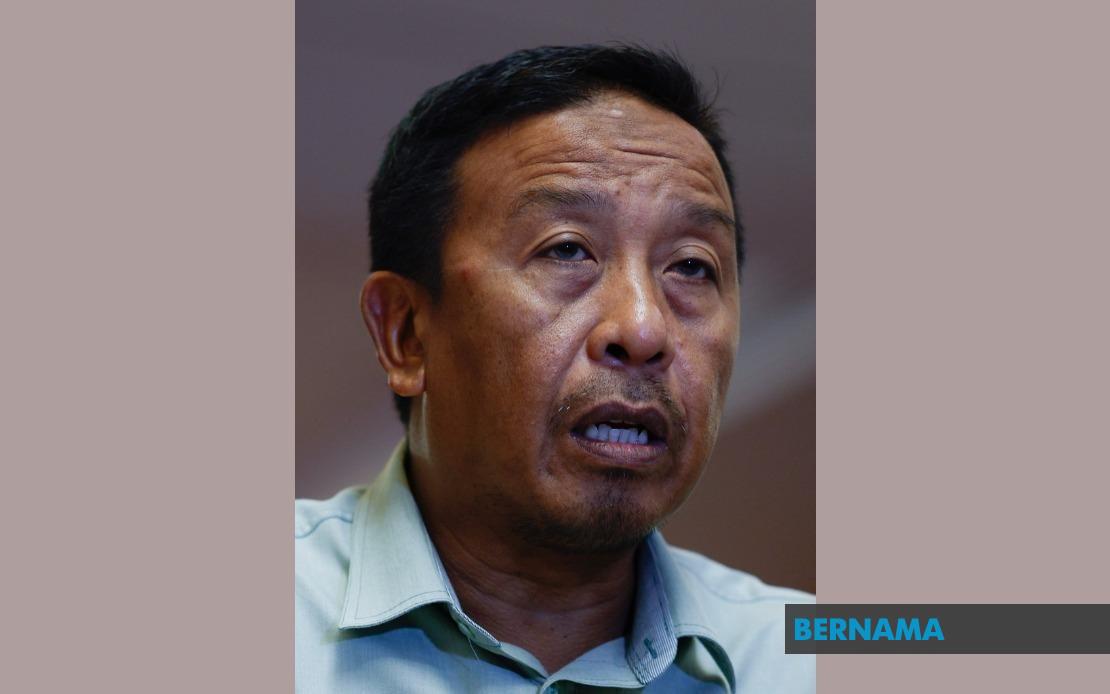
The Department of Wildlife and National Parks (PERHILITAN) Peninsular Malaysia has committed to establishing a dedicated task force aimed at reviewing and enhancing the legal framework and standard operating procedures that govern the use of elephants in public processions and events. The decision follows widespread public concern triggered by a viral video documenting the involvement of elephants in an activity held in Pasir Tumboh, Kota Bharu, in Kelantan state. The announcement represents an attempt by the wildlife authority to address mounting scrutiny regarding animal welfare standards during large-scale public gatherings and community programmes.
According to PERHILITAN's director-general Datuk Abdul Kadir Abu Hashim, the review will be conducted in collaboration with relevant government stakeholders to ensure a comprehensive overhaul of existing guidelines. The effort signals recognition within Malaysia's regulatory environment that current procedures may require modernization to align with evolving public expectations regarding animal protection. The director-general indicated that the taskforce would engage with multiple agencies and interested parties to develop more robust safeguards.
In a significant procedural step, PERHILITAN has referred the matter to both the Integrity Unit within the Natural Resources and Environmental Sustainability Ministry (NRES) and the Governance Investigation Division of the Malaysian Anti-Corruption Commission (MACC). This multi-agency approach suggests that authorities view the issue as encompassing not only wildlife management but also questions of administrative accountability and proper governance. The involvement of anti-corruption oversight indicates that the process will extend beyond purely technical wildlife considerations.
The existing framework for managing elephant processions dates back to December 31, 2016, meaning the current SOP has been in operation for nearly eight years without major revision. On May 25, the Kelantan Land and Mines Office submitted an application to PERHILITAN requesting permission to display elephants and other wildlife species during the MADANI Community Programme in Kampung Pasir Tumboh. The Special Permit Application Committee reviewed this request at a meeting on June 16 and approved it according to procedures then in effect.
PERHILITAN maintained that it had adhered to prescribed protocols in managing the event. The department confirmed conducting veterinary health assessments on the elephants involved and selecting only those deemed suitable for public participation. Additionally, welfare evaluations were undertaken at three critical junctures: before the programme commenced, during its execution, and following its conclusion. These evaluations were conducted in accordance with the departmental SOPs that governed the approval and management of the event.
The viral video that prompted this policy review reflects broader societal concern regarding animal welfare in Malaysia, particularly when wild or semi-domesticated animals are incorporated into public gatherings and commercial exhibitions. The incident has resonated among animal welfare advocates and the general public, demonstrating the power of social media in bringing wildlife management decisions under public scrutiny. The video's circulation created sufficient pressure to compel government action despite PERHILITAN's assertion that proper procedures had been followed.
Datuk Abdul Kadir Abu Hashim reiterated that PERHILITAN remains dedicated to the protection and conservation of Malaysia's wildlife heritage while continuously refining its operational practices based on feedback from the public. This statement attempts to position the department as responsive and committed to improvement, even as it defends the original decision to approve the elephant event. The narrative presented emphasizes that the department views public input as valuable information for enhancing existing systems.
The director-general also appealed to the public to exercise caution when sharing information about wildlife incidents, requesting that only verified and accurate details be disseminated to prevent unnecessary confusion or misunderstanding. This request reflects official concern about misinformation spreading through social channels and potentially distorting public understanding of the actual circumstances surrounding the Pasir Tumboh event. The statement suggests some frustration within PERHILITAN regarding how the incident has been characterized and discussed publicly.
For Malaysian citizens concerned about animal welfare or potential violations of wildlife regulations, PERHILITAN has established multiple reporting mechanisms. The public may lodge formal complaints through the department's dedicated hotline at 1-800-88-5151 or by utilizing the Public Complaints Management System (SISPA), accessible via PERHILITAN's official website. These channels provide formal pathways for concerned individuals to escalate issues beyond social media platforms.
The establishment of this task force carries implications extending beyond the specific Kelantan incident. As Malaysia continues developing its tourism and community engagement initiatives, the question of how wildlife species should be incorporated into public events requires careful calibration between economic development goals and animal welfare standards. The review process may ultimately inform policies affecting elephant sanctuaries, educational programmes, and tourism activities across the country.
For regional observers, this situation illustrates how Southeast Asian governments are increasingly navigating tensions between traditional uses of elephants in cultural and commercial contexts and contemporary animal welfare expectations. Malaysia's formal review process may establish precedents influencing how neighbouring countries approach similar issues, particularly as social media enables rapid information spread across borders and enforcement of wildlife protection standards becomes a matter of international reputation.

