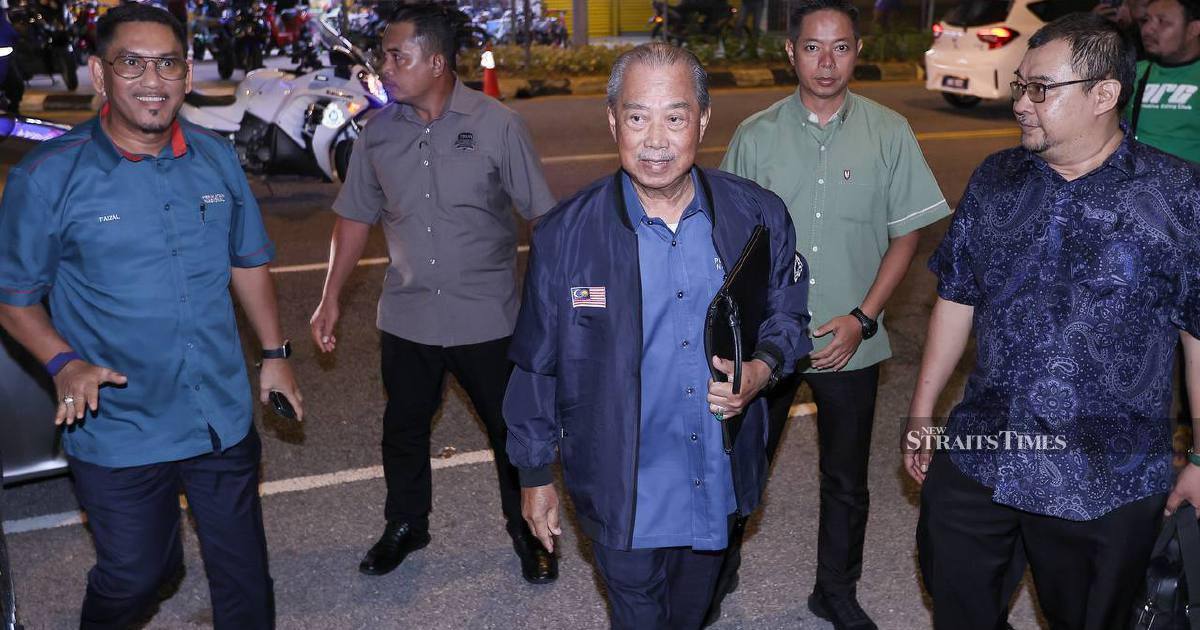
The Perikatan Nasional coalition convened an emergency session of its Supreme Council at PAS headquarters in Kuala Lumpur, bringing together the leadership of the main parties that comprise the opposition alliance. The hastily arranged gathering reflected the coalition's need to address pressing matters requiring collective decision-making at the highest levels, underscoring the fluid political landscape in which the PN operates.
Peikatan Nasional, which comprises several significant political parties including PAS, Bersatu, and other components, functions through its Supreme Council as the primary organ for strategic alignment and policy direction. The emergency convening of this body rather than a routine session indicates that issues of considerable importance were on the agenda—matters that demanded immediate attention rather than waiting for scheduled meetings.
The decision to hold the meeting at PAS headquarters, rather than rotating locations or meeting at neutral ground, carries symbolic weight within coalition dynamics. PAS, as the numerically largest component of PN and holder of significant electoral influence particularly in northern Malaysia, plays a central role in the coalition's strategic positioning. The venue selection may reflect the particular stakes that PAS holds in the discussions being conducted.
In the broader Malaysian political context, opposition coalitions regularly navigate complex negotiations over seat allocations, policy priorities, and public positioning. Each coalition member brings its own organizational interests and ideological commitments, requiring ongoing coordination to maintain unity. Emergency meetings typically signal either a crisis demanding rapid response or an opportunity demanding immediate capitalization.
Peikatan Nasional has undergone significant evolution since its formation, with membership changes and shifting dynamics affecting its cohesion and electoral viability. The coalition has periodically faced internal tensions requiring high-level intervention to maintain alignment. An emergency Supreme Council meeting suggests that senior leaders identified a situation requiring their collective attention and authority to resolve.
For Malaysian observers, the timing and nature of such coalition meetings carry implications for parliamentary stability and the broader political trajectory. The PN's internal dynamics directly affect its capacity to function as an effective opposition force, influence parliamentary voting patterns, and potentially position itself for future governmental roles. Leadership coordination within opposition coalitions represents a critical aspect of Malaysia's competitive political system.
The emergency nature of the gathering also raises questions about the specific catalyst prompting the meeting. Coalition members may require rapid alignment on legislative votes approaching in parliament, coordination regarding public statements on contentious national issues, or resolution of internal disputes threatening coalition cohesion. Without confirmation of the specific agenda items, the urgency itself signals significance.
Understanding PN's internal dynamics proves essential for comprehending Malaysian politics, given the coalition's substantial parliamentary representation and electoral base. The coalition's performance and internal stability influence the effectiveness of governmental checks and balances, the viability of alternative coalitions, and the competitive landscape between major political groupings.
Emergency meetings at coalition level rarely occur without substantial reason. Whether prompted by parliamentary developments, policy disagreements among member parties, or strategic opportunities requiring immediate collective response, such gatherings demonstrate the organizational capacity and decision-making structures that allow large coalitions to function despite inherent tensions among diverse membership. The convening of PN's Supreme Council reflected the coalition leadership's assessment that matters under consideration could not wait for routine scheduling.

